


 US Stock Futures Fall as Treasury Yields Surge Ahead of Trump-Xi Summit
  Russian Envoy Dmitriev Heads to US for Ukraine Talks
  South Korea, US Discuss Warship Building Cooperation
  Asian Currencies Mixed as Dollar Holds Near Two-Month High
  Trump, Xi Focus on Trade and AI at White House Summit
  Fed Unveils Stablecoin Rules Under GENIUS Act
  RBI Uses $10 Billion Currency Swaps to Drain Excess Rupee Liquidity
  Asian Stocks Fall as Surging Bond Yields Rattle Markets
  Oil Prices Ease as Iran Tensions Clash With Diplomacy Hopes
  Gold Holds Near $4,275 as Rising Treasury Yields Fuel Fed Rate Hike Bets
  China’s ‘Lipstick King’ Says AI Won’t Replace Livestream Hosts
  Wall Street Falls as Treasury Yields Surge, Oil Rebounds on Iran Tensions
  U.S. 10-Year Treasury Yield Hits 2007 High as Fed Rate Hike Bets Rise
  Japan Private-Sector Growth Slows as Domestic Demand Weakens
  Dollar Holds Near Two-Month High as Yen Approaches 160
  Soybean Futures Slip as Traders Await Trump-Xi Trade Signals
  US, China Extend Trade Truce to Jan. 10 Ahead of Trump-Xi Summit


 Add as a preferred source on Google
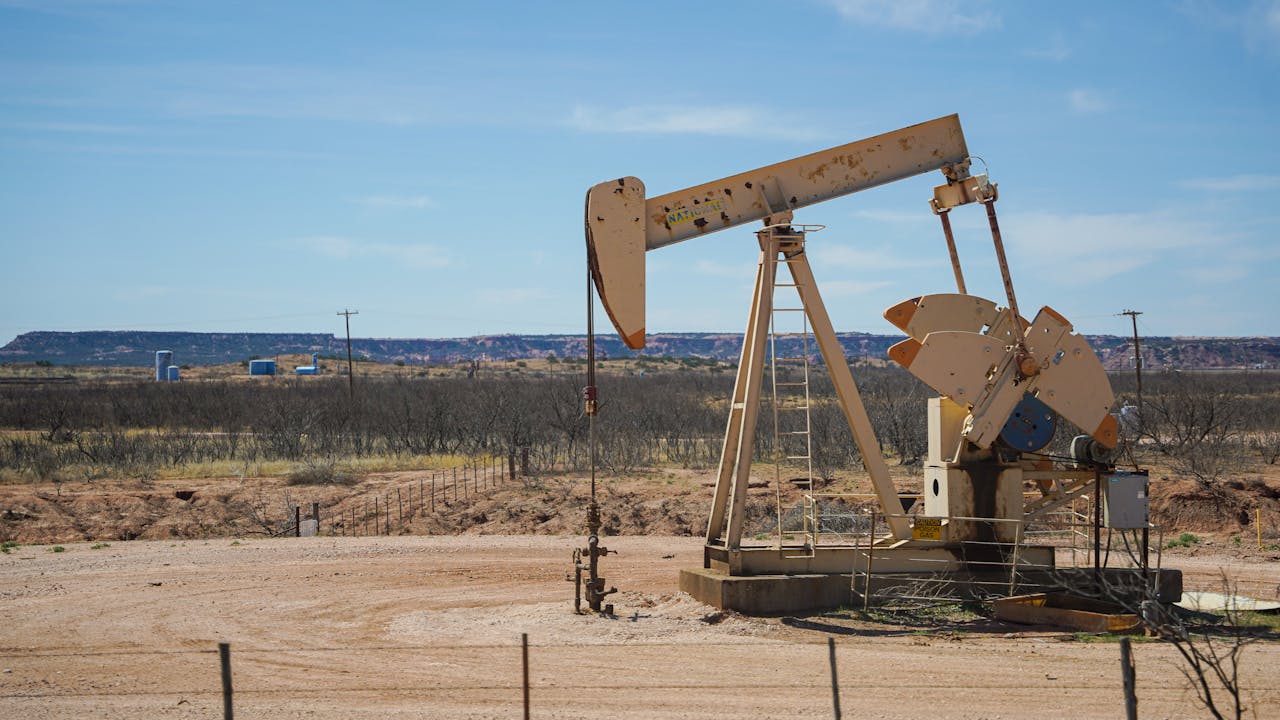
Oil prices edged slightly higher on Wednesday as traders remained cautious, balancing ongoing U.S.–Iran nuclear talks with fresh geopolitical risks and upcoming U.S. inventory data. Brent crude futures gained 23 cents, or 0.3%, to trade at $69.03 per barrel by 0100 GMT, while U.S. West Texas Intermediate crude rose 23 cents, or 0.4%, to $64.19 per barrel. The modest gains reflected a market waiting for clearer direction amid mixed signals from diplomacy and supply fundamentals.
Support for oil prices came from lingering geopolitical uncertainty in the Middle East, where negotiations between Washington and Tehran continue. Iran’s foreign ministry spokesperson said on Tuesday that recent nuclear talks with the United States helped Tehran assess Washington’s seriousness and showed sufficient common ground to continue pursuing diplomacy. The discussions, held in Oman last week, aimed to revive dialogue at a time of heightened military presence in the region.
Concerns escalated after U.S. President Donald Trump ordered a naval flotilla to the Middle East, raising fears of potential military confrontation. Although initial market reaction was muted following comments from Oman’s foreign minister describing the talks as productive, sentiment later shifted. Analysts at ANZ noted that optimism faded after reports suggested the U.S. could deploy a second aircraft carrier to the region if negotiations fail. Trump confirmed on Tuesday that he was considering such a move, even as both sides prepare to resume talks to avoid a new conflict.
Beyond geopolitics, traders are closely watching U.S. oil supply data for further cues. The market is awaiting weekly inventory figures from the U.S. Energy Information Administration, due later on Wednesday. A Reuters poll of analysts estimated that crude inventories increased by around 800,000 barrels in the week to February 6, while gasoline and distillate stocks likely fell by approximately 400,000 barrels and 1.3 million barrels, respectively.
Meanwhile, industry data from the American Petroleum Institute surprised markets, showing a much larger-than-expected rise of 13.4 million barrels in U.S. crude inventories for the same period. Together, diplomatic developments, inventory trends, and broader geopolitical risks continue to shape short-term oil price movements, keeping traders cautious but attentive.







