


 Japan Private-Sector Growth Slows as Domestic Demand Weakens
  Oil Prices Fall on U.S.-Iran Hormuz Deal Hopes
  Fed Unveils Stablecoin Rules Under GENIUS Act
  Japanese Yen Rebounds as Trump Flags Currency Weakness
  Asian Currencies Mixed as Dollar Holds Near Two-Month High
  US Stock Futures Fall as Treasury Yields Surge Ahead of Trump-Xi Summit
  Dollar Holds Near Two-Month High as Yen Approaches 160
  Asian Stocks Fall as Surging Bond Yields Rattle Markets
  Gold Holds Near $4,275 as Rising Treasury Yields Fuel Fed Rate Hike Bets
  Fed Unveils Stablecoin Rules Under GENIUS Act
  U.S. Dollar Hits Two-Month High as Oil, Treasury Yields Surge
  Canadian Dollar Faces Pressure as Fed-BoC Policy Gap Widens
  Oil Prices Jump 3% as Houthi Attack Revives Supply Fears
  Oil Prices Ease as Iran Tensions Clash With Diplomacy Hopes
  Japanese Bank Stocks Surge as Bond Yields Fuel Rate Hike Bets
  China’s ‘Lipstick King’ Says AI Won’t Replace Livestream Hosts
  Australia Unemployment Hits Five-Year High Despite Strong Jobs Growth


 Add as a preferred source on Google
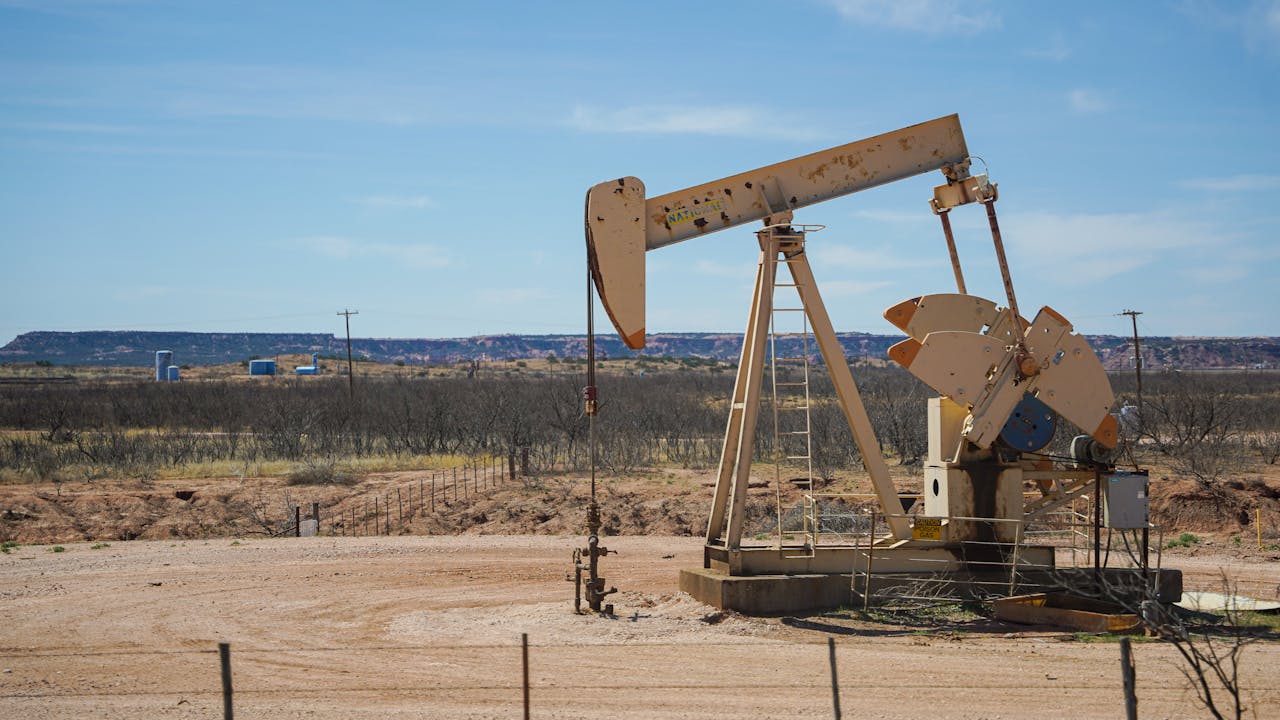
Oil prices dipped slightly in Asian trading on Tuesday as market volatility eased and investors assessed the implications of the United States’ dramatic capture of Venezuelan President Nicolas Maduro. While crude prices settled higher after a volatile session on Monday due to heightened geopolitical risk, uncertainty over Venezuela’s political future and global supply dynamics continued to cap gains.
Brent crude futures for March slipped 0.2% to $61.65 a barrel, while West Texas Intermediate (WTI) crude futures fell 0.3% to $57.93 a barrel by 20:19 ET (01:19 GMT). A combination of profit-taking and a stronger U.S. dollar weighed on prices, with markets also grappling with the worst annual decline in oil prices in five years during 2025. Persistent concerns over a potential global supply glut in 2026 remain a key bearish factor for crude markets.
The geopolitical backdrop remains complex following Maduro’s capture by U.S. forces in Caracas, an operation confirmed by President Donald Trump and reportedly conducted without congressional approval. Maduro has pleaded not guilty to U.S. narcotics distribution charges and insists he remains Venezuela’s legitimate president. Meanwhile, Vice President Delcy Rodriguez was sworn in as interim president, though her stance toward the U.S. intervention remains unclear.
Trump has indicated that the U.S. will temporarily assume control of Venezuela and open its oil industry to major American energy companies. Analysts believe that, in theory, such a move could increase global oil supply and pressure crude prices over the long term. However, this outcome depends heavily on a peaceful political transition and the eventual lifting of U.S. sanctions—both of which appear uncertain.
ANZ analysts cautioned that political instability in Venezuela is likely to persist, keeping the risk of supply disruptions elevated in the short term. They also noted that instability and unclear U.S. governance plans could deter international oil companies from committing the substantial capital needed to revive Venezuela’s aging oil infrastructure. As a result, any meaningful increase in Venezuelan oil output is unlikely in the near term, leaving global oil markets focused on broader supply-demand balances and currency movements.







