


 Oil Prices Ease as Iran Tensions Clash With Diplomacy Hopes
  U.S. Treasury Yields Surge as 30-Year Hits 22-Year High
  Gold Prices Fall as Treasury Yields Rise on Fed Rate Hike Bets
  Mexico-US Trade Talks Delayed to October as Tariff Negotiations Continue
  China’s ‘Lipstick King’ Says AI Won’t Replace Livestream Hosts
  Wall Street Ends Flat as Oil, Treasury Yields and Fed Jitters Rattle Markets
  Japanese Yen Rebounds as Trump Flags Currency Weakness
  Fed Unveils Stablecoin Rules Under GENIUS Act
  Asian Currencies Mixed as Dollar Holds Near Two-Month High
  Australia Unemployment Hits Five-Year High Despite Strong Jobs Growth
  U.S. Dollar Hits Two-Month High as Oil, Treasury Yields Surge
  Japanese Bank Stocks Surge as Bond Yields Fuel Rate Hike Bets
  Japan Private-Sector Growth Slows as Domestic Demand Weakens
  Gold Holds Near $4,275 as Rising Treasury Yields Fuel Fed Rate Hike Bets
  Dollar Holds Near Two-Month High as Yen Approaches 160
  Fed Unveils Stablecoin Rules Under GENIUS Act


 Add as a preferred source on Google
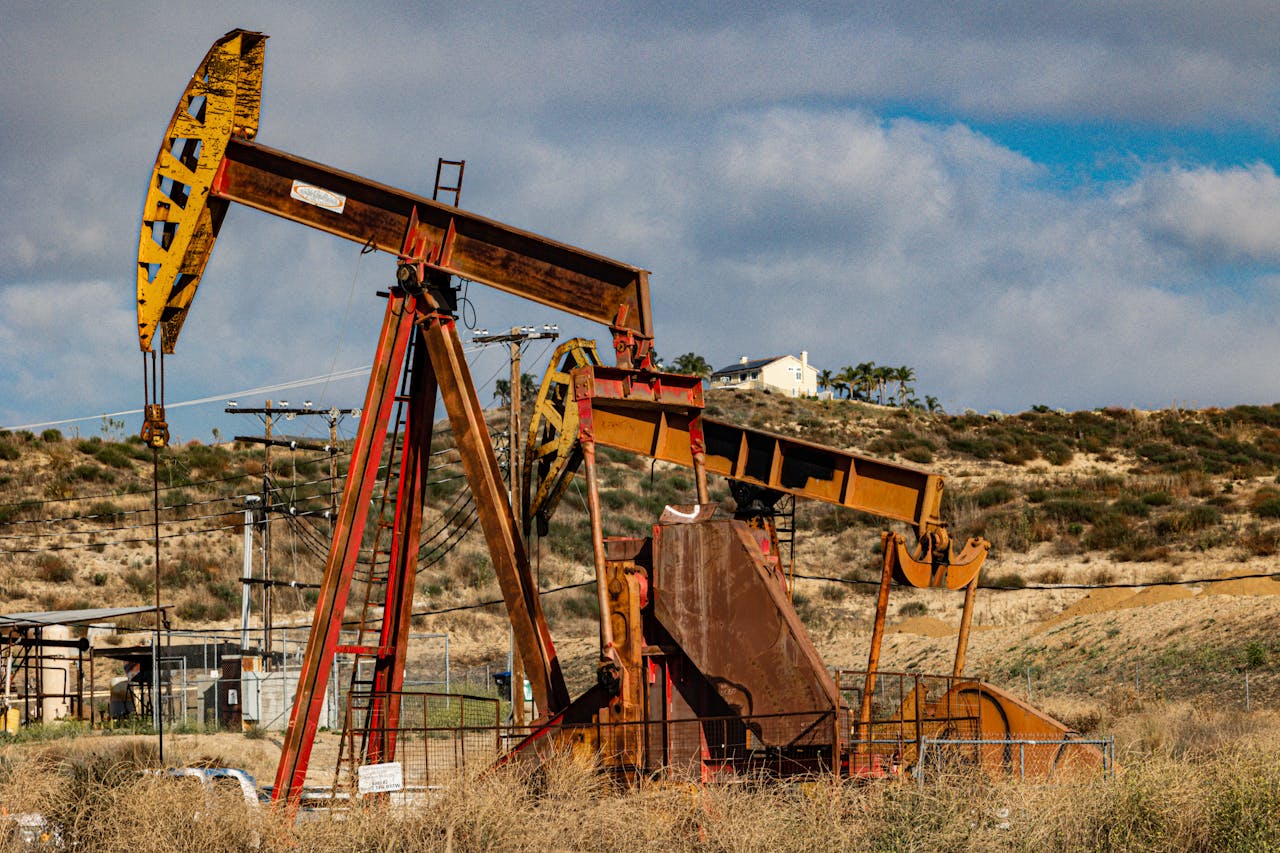
Oil prices slipped slightly in Asian trading on Wednesday, extending losses as escalating U.S.-China trade tensions and a warning from the International Energy Agency (IEA) about a potential supply glut dampened sentiment. Both Brent and West Texas Intermediate (WTI) crude remained near five-month lows, pressured by fears that renewed trade conflicts could weaken global demand.
Brent crude futures for December edged down 0.2% to $62.26 per barrel, while WTI crude fell 0.2% to $58.18 by 21:39 ET (01:39 GMT). The declines followed a sharp selloff earlier in the week after U.S. President Donald Trump threatened to impose 100% tariffs on Chinese imports, triggering market anxiety and a strong response from Beijing. The growing risk of a trade war between the world’s two largest economies fueled concerns of slower global growth and weaker energy consumption.
Adding to the bearish tone, China’s latest inflation data came in weaker than expected, reinforcing signs of persistent economic softness in the world’s biggest oil importer.
Meanwhile, the IEA’s latest monthly report warned that global oil markets could face a significant oversupply by 2026—potentially as much as four million barrels per day. The agency attributed this forecast to increased production, particularly from OPEC members, combined with slower demand growth. The IEA also revised down its demand forecasts for both 2025 and 2026.
In contrast, OPEC’s recent report painted a more optimistic outlook, predicting stronger demand growth and justifying its steady increase in output this year after reversing two years of production cuts. However, the group’s push for market share has fueled fears of an eventual glut amid waning consumption trends.
Despite the bearish backdrop, losses in oil were capped slightly by a weaker U.S. dollar after dovish comments from Federal Reserve officials. Traders now await upcoming U.S. inventory data for further clues on energy demand, particularly as the country grapples with a prolonged government shutdown.







