


 Gold Price Ends Lower for Fourth Week Despite Rebound as Fed Rate Hike Bets Strengthen
  US Dollar Slips After PCE Inflation Data Eases Fed Rate Hike Expectations
  Oil Prices Drop as Strait of Hormuz Shipping Recovers
  White House Seeks $87.6 Billion Emergency Funding for Iran War, Farmers, and Ebola Response
  South Korea’s KOSPI Jumps Over 5% as Samsung, SK Hynix Rally on Micron Earnings Boost
  Iran Attack in Strait of Hormuz Pushes Oil Prices Higher
  S&P Affirms Brazil’s BB Credit Rating with Stable Outlook Amid Fiscal Challenges
  Trump Threatens 100% Tariffs on Countries Imposing Digital Services Taxes on U.S. Tech Firms
  Gold Prices Fall Below $4,000 as Strong Dollar, Fed Rate Hike Bets Weigh on Bullion
  Australia Jobs Growth Strengthens Rate Hike Outlook
  Wall Street Ends Lower as AI Stocks Drag Markets, Fed Rate Outlook Shifts
  Australian Household Spending Rebounds Strongly in May as Travel and Dining Drive Consumer Growth
  Oil Prices Rebound as Strait of Hormuz Tensions Return After Ship Attack Near Oman
  U.S. Dollar Reaches One-Year High as Tech Sell-Off and Fed Rate Hike Expectations Support Demand
  Asian Stocks Sink as Apple Price Hikes Spark AI Valuation Fears, South Korea and Japan Lead Selloff
  Trump Requests $11 Billion More in Farm Aid as Rising Costs Pressure U.S. Farmers


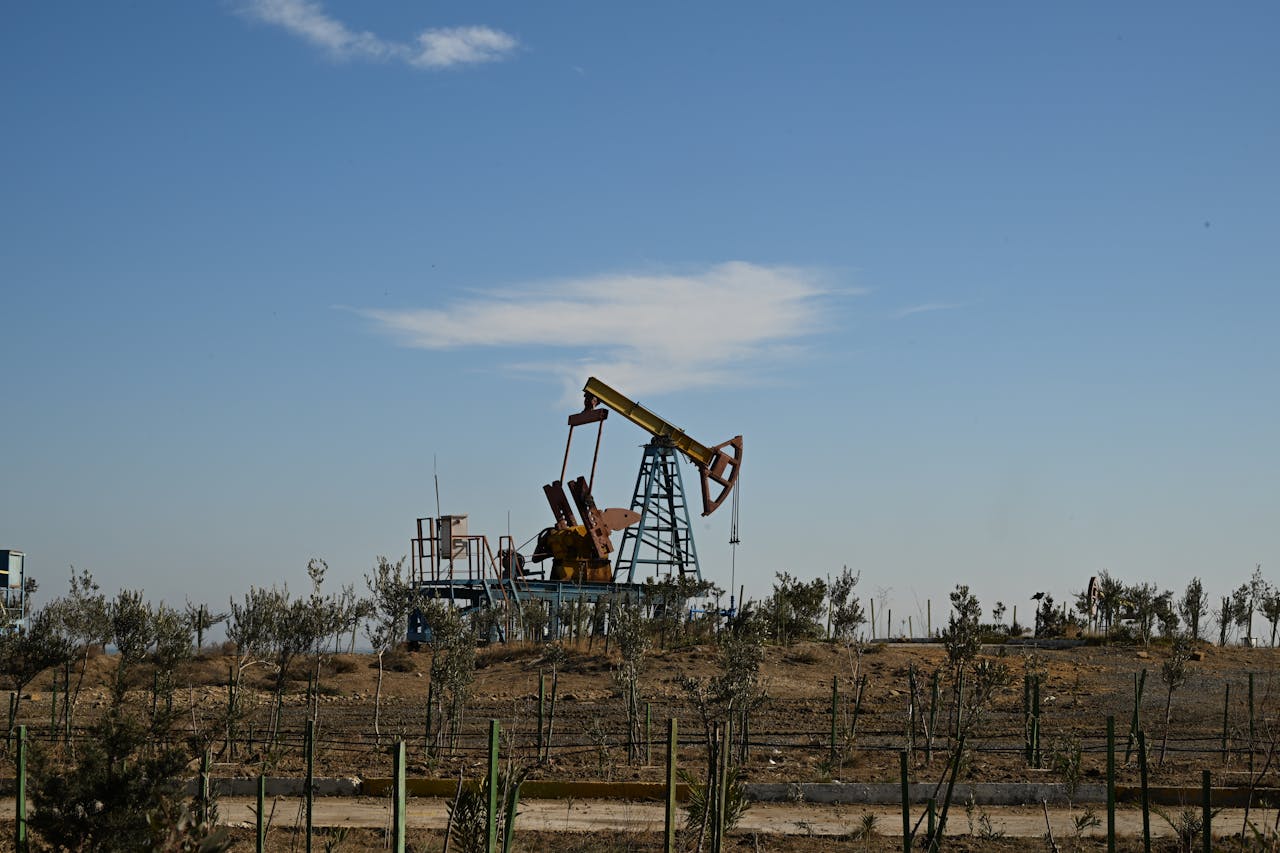
Oil prices extended their gains during Asian trading on Thursday as geopolitical tensions involving Venezuela and Russia heightened concerns over global crude supply. Market sentiment was boosted after U.S. President Donald Trump ordered a blockade of sanctioned oil tankers entering and leaving Venezuela, a move that escalated pressure on the South American nation and raised fears of further export disruptions.
As of late Asian hours, Brent crude futures for February delivery rose 0.7% to around $60.08 per barrel, while U.S. West Texas Intermediate (WTI) crude futures gained 0.8% to approximately $56.39 per barrel. The rise in oil prices reflects growing uncertainty surrounding supply from key oil-producing nations amid tightening sanctions and potential enforcement actions.
The U.S. blockade targets tankers carrying Venezuelan oil that are already under American sanctions, signaling a tougher stance against President Nicolas Maduro’s government. Venezuela, a member of OPEC, has seen its crude exports sharply constrained over the years due to longstanding U.S. sanctions. Analysts warn that stricter enforcement of the blockade could further limit Venezuelan oil shipments, tightening global supply conditions.
Market optimism was further supported by reports that Washington is considering harsher measures against Russia’s energy sector if diplomatic efforts to end the Ukraine conflict fail. Proposed actions could affect Russia’s oil production, shipping routes, and export infrastructure, potentially disrupting flows from one of the world’s largest crude exporters. Analysts at ING noted that with Brent crude trading near $60 per barrel and a surplus outlook, the U.S. may have room to pursue more aggressive sanctions without immediate economic fallout.
On the data front, oil price gains were partially tempered by U.S. inventory figures. According to the Energy Information Administration, U.S. crude oil stocks fell by 1.27 million barrels for the week ended December 12, smaller than the expected 2.4 million barrel draw. Meanwhile, gasoline and distillate inventories rose sharply, signaling softer demand for refined fuel products.
Overall, oil markets remain sensitive to geopolitical developments, sanctions policy, and supply-demand dynamics, all of which continue to shape crude oil price movements.







