


 Baidu Approves $5 Billion Share Buyback and Plans First-Ever Dividend in 2026
  Drug pollution in water is making salmon take more risks – new research
  Hims & Hers Halts Compounded Semaglutide Pill After FDA Warning
  Amazon Stock Rebounds After Earnings as $200B Capex Plan Sparks AI Spending Debate
  Global Markets Slide as AI, Crypto, and Precious Metals Face Heightened Volatility
  Alphabet’s Massive AI Spending Surge Signals Confidence in Google’s Growth Engine
  China Extends Gold Buying Streak as Reserves Surge Despite Volatile Prices
  GesiaPlatform Launches Carbon-Neutral Lifestyle App ‘Net Zero Heroes’
  Trump Endorses Japan’s Sanae Takaichi Ahead of Crucial Election Amid Market and China Tensions
  SoftBank Shares Slide After Arm Earnings Miss Fuels Tech Stock Sell-Off
  U.S.-India Trade Framework Signals Major Shift in Tariffs, Energy, and Supply Chains
  Japan Economy Poised for Q4 2025 Growth as Investment and Consumption Hold Firm
  We combed through old botanical surveys to track how plants on Australia’s islands are changing
  American Airlines CEO to Meet Pilots Union Amid Storm Response and Financial Concerns
  Oil Prices Slide on US-Iran Talks, Dollar Strength and Profit-Taking Pressure
  NASA Faces Major Workforce Reduction as 20% of Employees Prepare to Leave


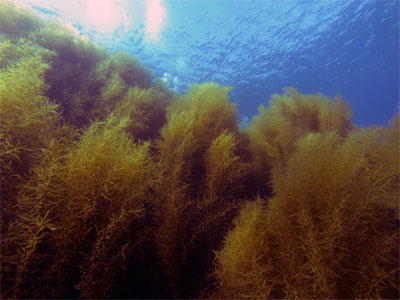
South Korea’s Ministry of Oceans and Fisheries and a research team at Pohang University of Science and Technology will begin developing technology that uses marine plants to produce biodegradable plastic material.
Among the marine plants is an invasive algae called Sargassum horneri.
Each year, 24 tons of Sargassum horneri grow in South Korea to pose a problem. Using the algae will help the environment, government officials pointed out.
The team will use a strain that doesn’t require preliminary processing to produce biodegradable plastic material such as itaconic acid, 3-HP and lactic acid by 2026.
It also intends to develop a separate technology for combining monomers to obtain plastic properties, which will compensate for the shortcomings of environmentally friendly plastic, which has weaker plastic properties than petroleum-based plastic.













