


 US Strikes Iran IRGC Targets as Conflict Escalates
  Oil Prices Rise as U.S.-Iran Fighting Fuels Supply Fears
  Asian Stocks Rise as Bond Yields Ease, Oil Prices Stabilize
  US Tech Giants’ AI Bond Boom Raises Euro Zone Borrowing Risks
  Australia Current Account Deficit Widens to A$27.2 Billion
  Bank of England Sees Surge in Higher-Risk Collateral
  Oil Prices Rise as US-Iran Conflict Threatens Middle East Supply
  India Manufacturing Growth Slows to Five-Year Low in August
  Asian Currencies Weaken as Dollar Rises, Kiwi Slides After RBNZ Hike
  Treasury Yields Set to Stay High as Debt Supply Pressures Bond Market
  Oil Prices Slip as Trump Eases Iran Supply Fears
  Bessent Urges Japan on Fiscal Discipline, BOJ Rate Hikes
  South Korea Inflation Rises to 3.1% in August
  Australia GDP Beats Forecast, Boosting RBA Rate Hike Bets
  India Services PMI Rises to 54.1 as Hiring Accelerates
  Gold Prices Steady as U.S.-Iran Tensions Lift Inflation Risks
  Australia Trade Surplus Beats Forecasts in July as Exports Fall


 Add as a preferred source on Google
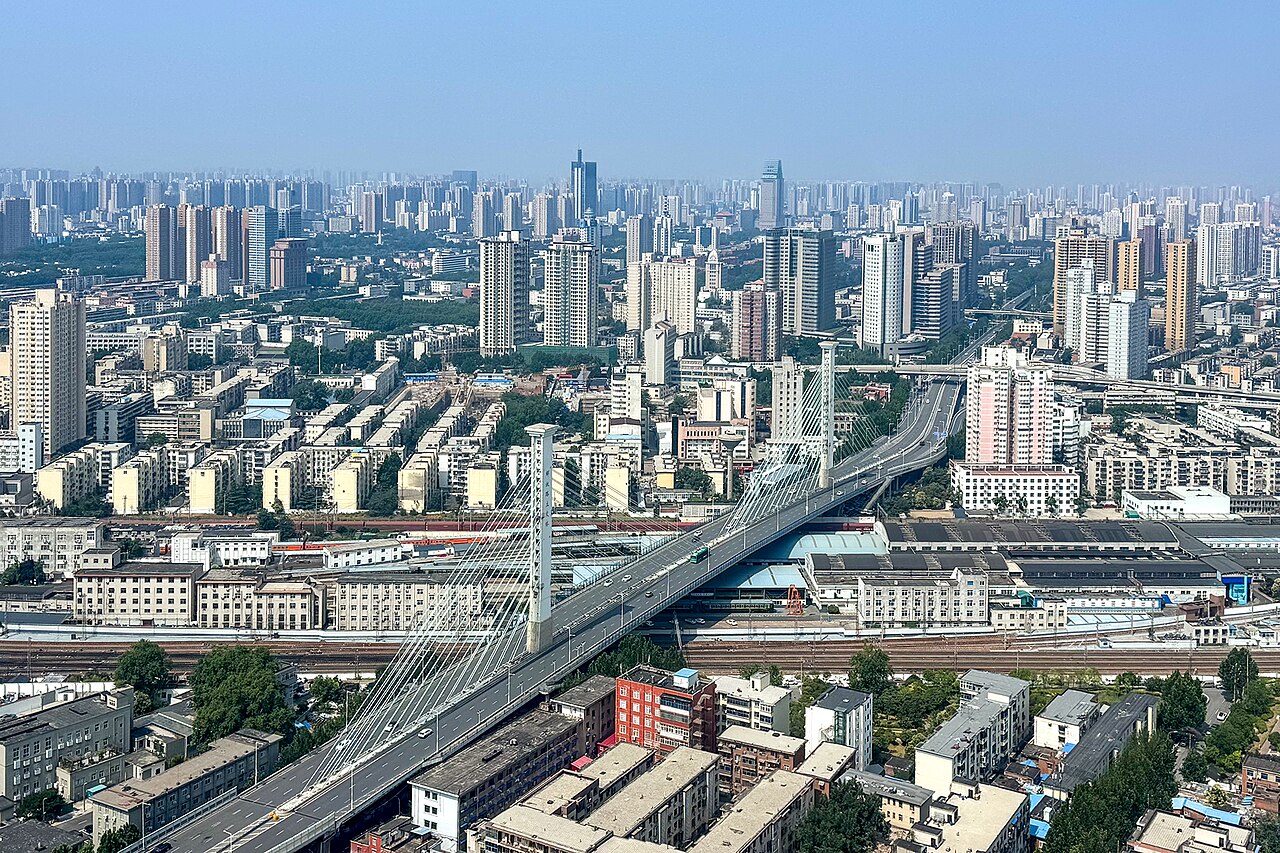
China’s services sector expanded at a faster pace in August, as stronger business activity, rising new orders and continued employment growth pointed to a modest improvement in domestic demand.
The RatingDog Services PMI climbed to 51.4 in August from 50.4 in July, beating market expectations for a reading of 50.6. The index remained above the 50-point threshold that separates expansion from contraction, signaling continued growth across China’s services industry.
Despite the better-than-expected result, the August figure was still the second-lowest reading recorded in the past 14 months, highlighting the relatively moderate pace of the sector’s recovery.
New business expanded for the 44th consecutive month, with the pace of growth accelerating after falling to a four-month low in July. The improvement was driven primarily by stronger domestic demand, suggesting some resilience in consumer and business spending within China.
New export orders also increased for a fourth straight month, although the rate of growth eased compared with July, indicating that overseas demand provided more limited support to overall services activity.
China’s services labor market also showed signs of improvement. Employment rose for the fourth consecutive month, marking the longest uninterrupted period of job creation in the sector since 2023.
Inflationary pressures remained relatively contained. Input costs increased for an 18th straight month, while service providers raised their selling prices for a third consecutive month. However, both input-price and output-charge increases were described as marginal, suggesting businesses continued to face limited pricing pressure.
The private-sector survey presented a more positive picture than China’s official services data. The official services index remained unchanged at 49.3 in August, staying below the 50 level and indicating contraction.
The divergence between the two indicators highlights an uneven recovery in China’s economy, although the stronger RatingDog Services PMI suggests domestic demand and employment conditions improved modestly during August.







