


 Anthropic Eyes $350 Billion Valuation as AI Funding and Share Sale Accelerate
  Baidu Approves $5 Billion Share Buyback and Plans First-Ever Dividend in 2026
  Elon Musk’s Empire: SpaceX, Tesla, and xAI Merger Talks Spark Investor Debate
  Hims & Hers Halts Compounded Semaglutide Pill After FDA Warning
  SoftBank and Intel Partner to Develop Next-Generation Memory Chips for AI Data Centers
  Ford and Geely Explore Strategic Manufacturing Partnership in Europe
  SpaceX Prioritizes Moon Mission Before Mars as Starship Development Accelerates
  CK Hutchison Launches Arbitration After Panama Court Revokes Canal Port Licences
  Amazon Stock Rebounds After Earnings as $200B Capex Plan Sparks AI Spending Debate
  Toyota’s Surprise CEO Change Signals Strategic Shift Amid Global Auto Turmoil
  Missouri Judge Dismisses Lawsuit Challenging Starbucks’ Diversity and Inclusion Policies
  Instagram Outage Disrupts Thousands of U.S. Users
  Washington Post Publisher Will Lewis Steps Down After Layoffs
  Sony Q3 Profit Jumps on Gaming and Image Sensors, Full-Year Outlook Raised
  Sam Altman Reaffirms OpenAI’s Long-Term Commitment to NVIDIA Amid Chip Report
  AMD Shares Slide Despite Earnings Beat as Cautious Revenue Outlook Weighs on Stock


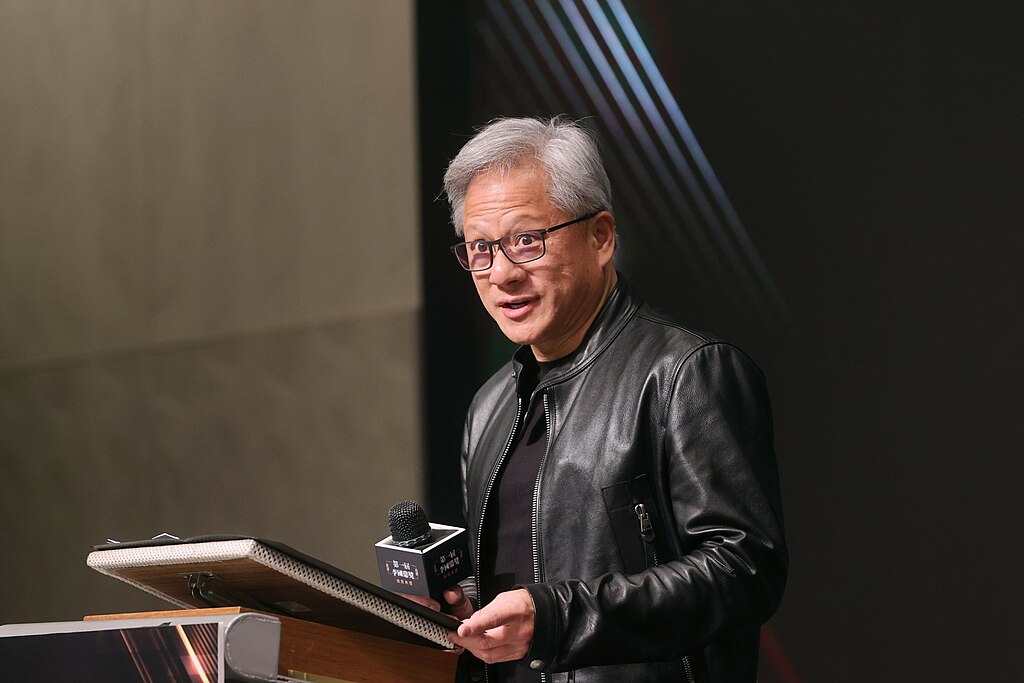
Nvidia CEO Jensen Huang criticized the U.S. government’s export controls on AI chips to China, calling the policy “a failure.” Speaking at Computex 2025 in Taipei, Huang said, “The fundamental assumptions that led to the AI diffusion rule have been proven fundamentally flawed.”
The U.S. restrictions, aimed at curbing China’s access to cutting-edge artificial intelligence chips, have backfired, according to Huang. Rather than stalling progress, the export ban pushed Chinese firms to turn to domestic semiconductor designers like Huawei. The move also accelerated China’s efforts to build a self-reliant chip supply chain, reducing dependence on U.S.-made components.
Huang revealed that Nvidia’s market share in China has plummeted to 50%, down from 95% when President Joe Biden took office. The shift underscores the significant impact of U.S. policies on global chip competition and supply chains.
His comments followed China’s sharp response earlier this week to the latest U.S. guidance warning companies not to use advanced Chinese AI chips, including Huawei’s Ascend processors. Beijing urged Washington to “correct its wrongdoings” and end what it described as “discriminatory” practices, warning of firm countermeasures if U.S. actions continue to harm Chinese interests.
The escalating chip tensions also threaten to undermine recent efforts to stabilize U.S.-China trade relations. A statement from China’s commerce ministry noted that the latest U.S. move violated the spirit of high-level negotiations held in Geneva.
As global tech firms navigate shifting geopolitical dynamics, Huang’s remarks spotlight the unintended consequences of protectionist trade policies, especially in the high-stakes AI and semiconductor sectors. Nvidia remains a leading player in AI chips, but faces growing headwinds in key international markets due to regulatory friction.













