


 Blackstone and Google Launch AI Cloud Venture, Pressuring CoreWeave and Nebius Shares
  CXMT Forecasts Record Revenue Growth as Global DRAM Prices Surge
  Samsung Strike Talks Resume as South Korea Weighs Emergency Action
  Google, Blackstone Launch $5B AI Cloud Venture to Challenge Nvidia and CoreWeave
  Samsung Faces Major Strike Threat as Union Restarts Pay Talks
  Anthropic to Brief Financial Stability Board on AI-Driven Cyber Risks
  TrumpRx Expands Discount Drug Access With 600 Generic Medications
  SpaceX IPO Nears as Goldman Sachs Set to Lead Historic $75 Billion Offering
  Tencent Shares Jump 4% as AI Models Move Toward Paid Commercial Services
  OpenAI Eyes IPO Filing as Early as This Week Amid Rising AI Competition
  FTC Antitrust Probe Targets Arm Holdings Over Chip Licensing Practices
  X Corp Loses Legal Battle Over Australia Child Safety Fine
  JPMorgan Sees Large-Cap Biotech Stocks Entering New Growth Phase in 2026


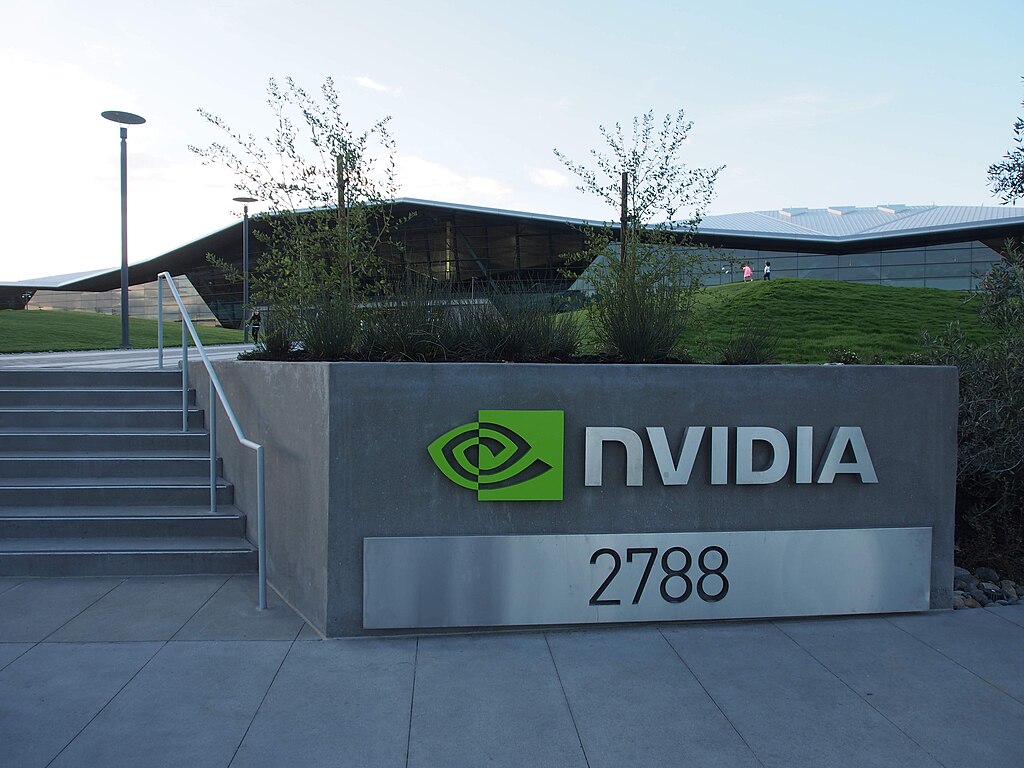
Nvidia delivered stronger-than-expected quarterly results, reinforcing its dominance in the artificial intelligence chip market as demand for AI infrastructure continues to surge worldwide. The company reported impressive revenue and profit growth for fiscal Q1 2027, while also announcing a massive $80 billion stock buyback program and a significant dividend increase.
The AI chip leader posted adjusted earnings of $1.87 per share on revenue of $81.62 billion, exceeding Wall Street forecasts of $1.77 per share and $79.19 billion in revenue. Nvidia also projected second-quarter revenue of approximately $91 billion, well above analyst expectations, highlighting the company’s confidence in continued AI expansion.
CEO Jensen Huang emphasized that the global buildout of AI infrastructure is accelerating rapidly as businesses and governments invest heavily in artificial intelligence technologies. Nvidia’s graphics processing units remain at the center of this transformation, powering cloud computing, AI factories, enterprise systems, robotics, and advanced data centers. The company’s Data Center division generated a record $75.25 billion in revenue, marking a 92% year-over-year increase.
Despite the strong financial performance, Nvidia shares showed volatility in after-hours trading as investors weighed already high market expectations. Analysts noted that much of the positive momentum surrounding AI stocks had already been reflected in Nvidia’s valuation. Even so, the semiconductor giant continues to benefit from explosive demand across the technology sector, especially as companies like Meta and Alphabet increase spending on AI infrastructure.
Nvidia also introduced a new reporting structure focused on two primary segments: Data Center and Edge Computing. The updated framework is designed to better reflect the company’s evolving AI-driven business model and future growth opportunities in areas such as robotics, gaming, automotive technology, and AI-powered devices.
However, challenges remain in China due to strict U.S. export restrictions and growing competition from domestic Chinese chipmakers. Nvidia confirmed that it recorded no Data Center Hopper product shipments to China during the quarter, signaling continued pressure in one of the world’s largest technology markets.







