


 Canadian Dollar Faces Pressure as Fed-BoC Policy Gap Widens
  Wall Street Ends Flat as Oil, Treasury Yields and Fed Jitters Rattle Markets
  Mexico-US Trade Talks Delayed to October as Tariff Negotiations Continue
  US Stock Futures Fall as Treasury Yields Surge Ahead of Trump-Xi Summit
  Asian Stocks Fall as Surging Bond Yields Rattle Markets
  Fed Unveils Stablecoin Rules Under GENIUS Act
  Oil Prices Fall on U.S.-Iran Hormuz Deal Hopes
  U.S. Dollar Hits Two-Month High as Oil, Treasury Yields Surge
  Asian Currencies Mixed as Dollar Holds Near Two-Month High
  Trump, Xi Focus on Trade and AI at White House Summit
  Soybean Futures Slip as Traders Await Trump-Xi Trade Signals
  U.S. Treasury Yields Surge as 30-Year Hits 22-Year High
  Fed Unveils Stablecoin Rules Under GENIUS Act
  European Stocks Fall as Bond Yields and Geopolitical Risks Weigh
  Japan Private-Sector Growth Slows as Domestic Demand Weakens
  Asian Stocks Fall as Bond Yields Surge Ahead of Trump-Xi Summit


 Add as a preferred source on Google
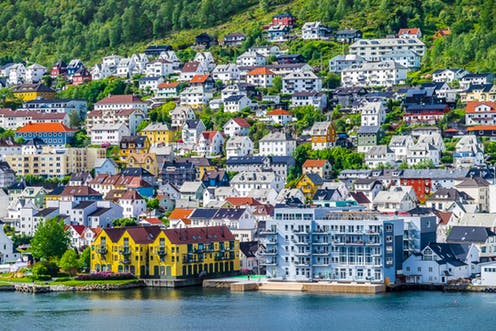
Norway’s long-standing wealth tax is reshaping the lives of its richest citizens and sparking global debate. Sitting in his lakeside villa in Lucerne, former Norwegian businessman Borger Borgenhaug says leaving his home country—and the Nordic sea he misses—was the price of escaping what he views as an increasingly hostile tax environment. He is one of many high-net-worth individuals relocating as Norway tightens its wealth-tax rules.
The current tax imposes 1% on net wealth between 1.76 million and 20.7 million crowns and 1.1% above that, with 12% of the population paying in 2023. While main homes receive major valuation discounts, assets abroad count and debt remains deductible. Norway also enforces a steep 37.8% exit tax on unrealised capital gains, and recent reforms closed previous loopholes. As a result, more than 250 wealthy residents left in both 2022 and 2023—double historic levels—according to think-tank Civita. Over a hundred of the country’s richest now live abroad, with some featured on a “wall of shame” displayed by the Socialist Left party.
Supporters argue the tax is crucial for fairness, helping maintain one of the world’s most equal societies while boosting government revenue to 0.6% of GDP. Research suggests the burden falls mainly on the wealthiest and does not directly hinder business investment or employment. Many Norwegians agree: a recent poll shows 39% support maintaining or raising the tax.
Critics counter that the levy drains capital, discourages entrepreneurship and pushes founders and heirs overseas before their companies mature. Norway’s low venture-capital levels and high labour costs reinforce these concerns.
Other countries have been hesitant to replicate Norway’s model. France scaled back its wealth-tax plan, Britain refuses to introduce one, and Italy is making only modest changes. Meanwhile, millionaire migration is rising worldwide, with Norway projected to lose another 150 this year.
Norway’s experience shows that wealth taxes can boost equality and revenue—but at the cost of losing some of the very entrepreneurs who drive economic growth.







