


 6 simple questions to tell if a ‘finfluencer’ is more flash than cash
  DOJ Will Investigate AI-Related Crimes, Attorney General Blanche Says
  ICE Agent Arrested in Minneapolis Over Venezuelan Man Shooting
  US Stocks Face Jobs, Inflation Test as Fed Rate Hike Bets Rise
  Europe’s AI Data Centre Boom Strengthens Case for Nuclear Power
  Appeals Court Rejects Trump Third-Country Deportation Policy
  Disaster or digital spectacle? The dangers of using floods to create social media content
  The pandemic is still disrupting young people’s careers
  Sara Duterte Posts Bail Over Grave Threats Case
  Select Water Solutions Shares Surge on $700 Million Pilot Water Deal
  DaVoice Sues Perplexity AI Over Trade Secrets
  US Court Approves airBaltic Chapter 11 Restructuring
  OpenAI AI Agents Bypassed UN Website Controls in Data Scraping
  Almonty Industries Shares Jump 8% After Stifel Sets $25 Target
  Meta Found Liable in New Mexico Facebook Data Privacy Case
  US Comfortable With Canada Trade Standoff as Import Bans Loom
  Wall Street Ends Flat as Oil, Treasury Yields and Fed Jitters Rattle Markets


 Add as a preferred source on Google
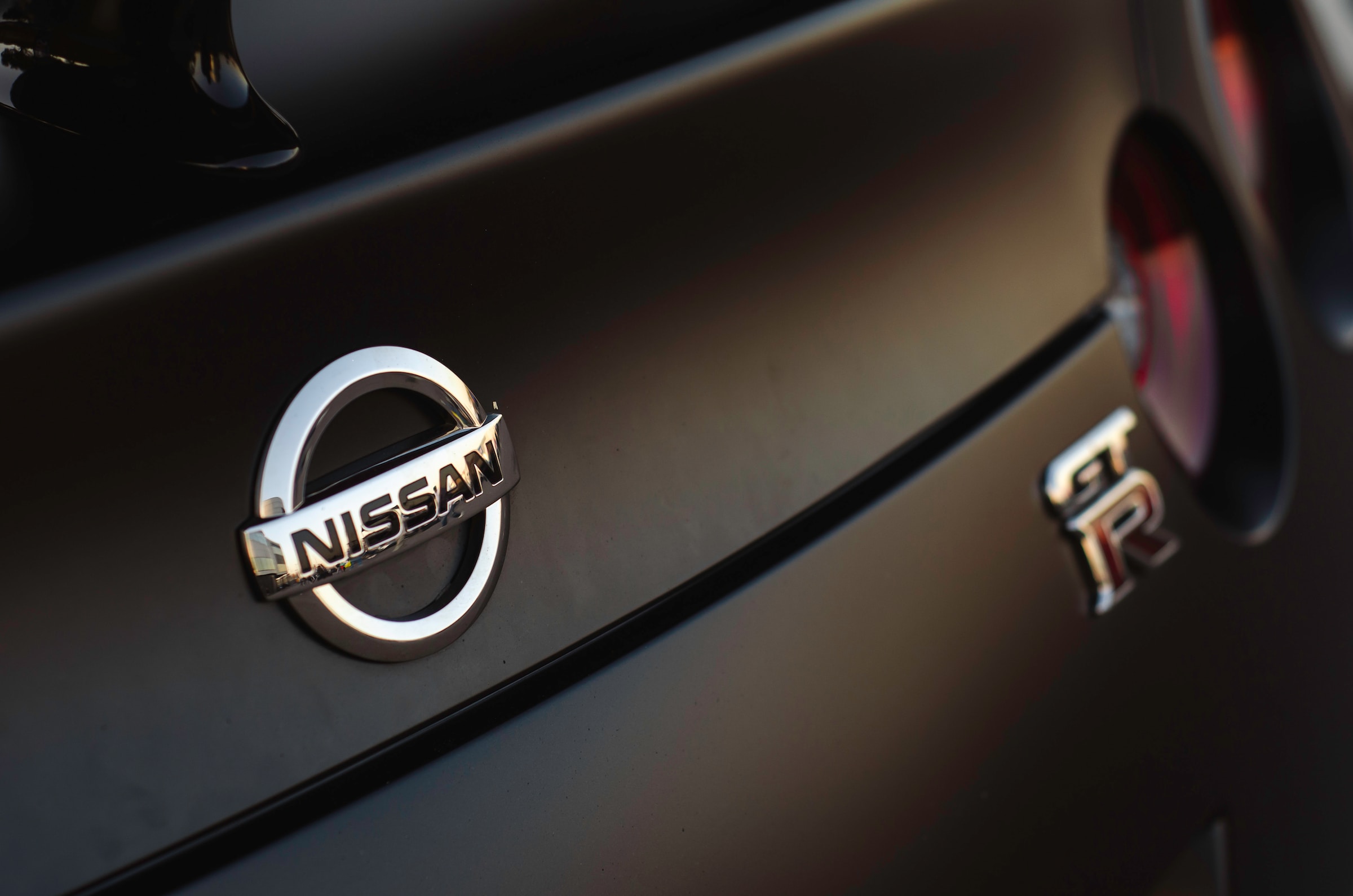
Japanese carmaker Nissan pledges all its new European models will be electric by 2030. Despite global automotive transitions and challenges, this bold move highlights the company's commitment to the European EV market.
The decision to press ahead with this target comes just a week after the United Kingdom delayed the ban on selling new gasoline and diesel cars until 2035. Nissan's President and CEO, Makoto Uchida, said there is no turning back now, and that is the right thing to do for their business, customers, and the planet.
Over one-third of all the EVs sold worldwide by Nissan have been in Europe. In line with plans, Nissan aims to launch 27 electric and hybrid vehicles globally by 2030. This includes an impressive lineup of 19 all-electric models. While Nissan was an early EV pioneer, it has faced stiff competition from both Tesla and China's BYD.
Looking ahead, Nissan plans to introduce cobalt-free technology to reduce the cost of EV batteries by 65% by fiscal 2028. Additionally, the company aims to introduce a vehicle featuring all-solid-state batteries (ASSB) by the same year. This innovation is expected to reduce charging times by two-thirds, greatly improving convenience for EV owners.
The push towards electrification is not limited to Nissan alone. Other major players, including Renault, Ford, and Stellantis, have all announced plans to transition their European passenger ranges exclusively to electric vehicles by 2030.
The UK's decision to push back the 2030 sales target has faced criticism from Ford UK Chair Lisa Brankin, who believes it creates uncertainty and diverts focus from the EV transition.
Nissan has confirmed that one of their upcoming EV models will be manufactured in Sunderland, UK. Uchida explained that Sunderland was chosen due to its historical significance, cost competitiveness, and to showcase their electrification strategy in the country.
Uchida acknowledged that the automotive industry is evolving and facing challenges worldwide. In China, Nissan plans to expedite its car launches and introduce new models that target specific consumer groups.
Photo: Ryno Marais/Unsplash







