


 OpenAI Data Center Chief Chris Malone Exits Ahead of Planned 2027 Listing
  Pinterest Stock Falls as CFO Julia Brau Donnelly Resigns
  Google Expands Gemini Enterprise With AI Tools for Legal Sector
  PayPal Shares Sink as $50 Billion Takeover Bid Collapses
  U.S. Disrupts China-Linked Hacking Campaign Targeting Government Agencies
  SoftBank Plans Record $6.3 Billion Bond Sale to Fund OpenAI Investments
  BofA Names ASML Top Semiconductor Equipment Pick on Growth, Valuation
  Nvidia Pauses AI Cloud Financing Deals Amid Antitrust Concerns
  SoftBank Eyes $20 Billion Bond Sale to Refinance OpenAI Loan
  Trump Buys SpaceX Shares After Record IPO
  SK Hynix Shares Fall as Workers Reject Wage Deal
  New Zealand Labour Backs Social Media Ban for Under-16s
  Nvidia Revenue Soars 106% as AI Demand Hits ‘Inflection Point’
  Luxshare Shares Rise as First-Half Profit Jumps 18%
  Samsung Shares Tumble 8% as $79 Billion Return Plan Disappoints
  Nvidia Reportedly Eyes $13 Billion Hugging Face Acquisition
  U.S. Probes Apex Logistics Over Nvidia AI Chip Shipments to China


 Add as a preferred source on Google
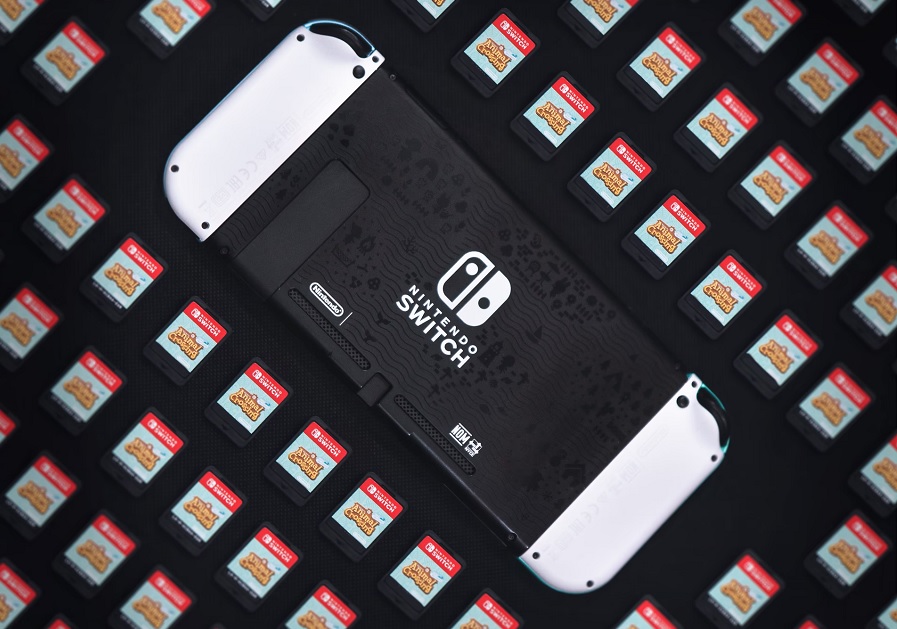
Nintendo continuously sees a high demand for the Nintendo Switch system despite the lack of a true next-generation launch. However, the company’s production plans have also been negatively affected by the ongoing semiconductor and parts shortages.
The Japanese video game giant was forced to scale down its Nintendo Switch production plans, per a report from Nikkei Asia. The company has reportedly reduced its Switch production orders by 20 percent for the 2021 fiscal year ending in March 2022. Nintendo recognized the effect of the “chip crunch” on its production plans and told the publication, “We are assessing their impact on our production.”
The same report notes that Nintendo originally intended to produce 30 million units of Nintendo Switch throughout the fiscal year to meet the growing demand for the hybrid portable console. The company saw a steady increase in the hardware’s cumulative sales since the COVID-19 pandemic started as people around the world were asked to stay at home to follow quarantine protocols. But Nintendo started seeing the effects of the global chip shortage around spring.
“Due to the global shortage of semiconductor materials, we are not able to produce all the products we want to. We are doing everything we can, but there is an increasing sense of uncertainty about production plans,” Nintendo president Shuntaro Furukawa said (via VGC) last May.
The reported changes in the Nintendo Switch production will likely affect the availability of the Nintendo Switch OLED model, which launched last Oct. 8. The hardware is already difficult to find in several regions, and retailers are only able to sell it in intermittent periods, sometimes using a lottery system to meet the demands for the new console.
Aside from the Nintendo Switch console, the company’s struggles with parts shortages are also affecting its other products. Fans saw the N64 controller for Switch was up for sale for a very short period this week. The controller is now out of stock, and Nintendo Store indicates that it might not be available until next year. The product page currently displays a message that says every Nintendo Account can only purchase four units, but “more controllers will be available in 2022.”
Photo by Manny Moreno on Unsplash







