


 Elon Musk Ties SpaceX IPO Access to Mandatory Grok AI Subscriptions
  Samsung Electronics Eyes Record Q1 Profit Amid AI-Driven Chip Boom
  Australia's Social Media Ban for Under-16s Sparks Global Movement
  MATCH Act Targets ASML and Chinese Chipmakers in New U.S. Export Crackdown
  NASA's Artemis II Mission: First Crewed Lunar Journey Since Apollo
  Meta and Google just lost a landmark social media addiction case. A tech law expert explains the fallout
  OpenAI Executive Shake-Up Ahead of Anticipated 2026 IPO
  TSMC Japan's Second Fab to Produce 3nm Chips by 2028
  Nanya Technology Shares Surge 10% After $2.5 Billion Private Placement from Sandisk and Cisco
  Apple's Foldable iPhone Faces Engineering Setbacks, Mass Production Timeline at Risk
  SMIC Allegedly Supplies Chipmaking Tools to Iran's Military, U.S. Officials Warn
  Cybersecurity Stocks Tumble After Anthropic's Claude Mythos AI Leak Sparks Market Fears
  Rubio Directs U.S. Diplomats to Use X and Military Psyops to Counter Foreign Propaganda
  Federal Judge Blocks Pentagon's Blacklisting of AI Company Anthropic
  Microsoft Eyes $7B Texas Energy Deal to Power AI Data Centers
  Annie Altman Amends Sexual Abuse Lawsuit Against OpenAI CEO Sam Altman


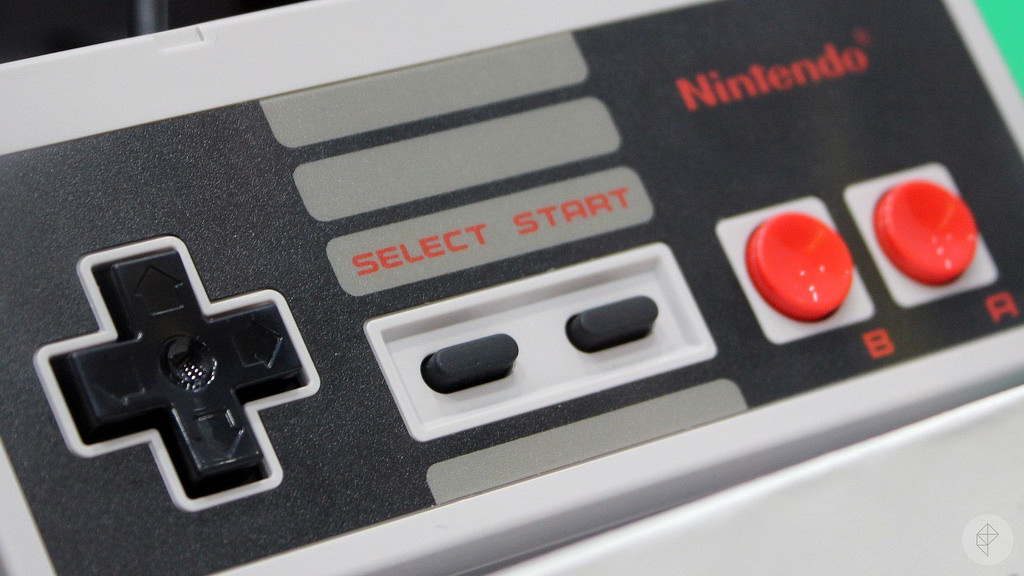
When it was revealed earlier this month that Nintendo would be canceling production of the NES Classic mini console, there was considerable outrage from fans followed by questions of why the company would scrap such a hot-selling product. Thanks to a recent interview, a company executive hints that it might have something to do with resource limitations.
Reggie Fils-Aimé is the president of Nintendo of America and he recently confirmed to Time that the runaway hit mini console sold a whopping 2.3 million units in a matter of months. As Fils-Aimé notes, the product was only supposed to be sold during the holiday season back in 2016, but the response was so overwhelming that Nintendo simply had to produce more.
"We had originally planned for this to be a product for last holiday," Fils-Aimé said. "We just didn't anticipate how incredible the response would be. Once we saw that response, we added shipments and extended the product for as long as we could to meet more of that consumer demand."
A few months onward, the NES Classic was still in high demand and even higher once the products became sold out practically everywhere. All of a sudden, everyone who has ever played the 1980s classic family console wanted to experience the wonders of titles that they played during their childhood, never mind the fact that they are over 30 years old.
So when Nintendo announced that it will no longer be making the mini consoles, it sparked an outcry of protest and Fils-Aimé reiterated the company’s apology. On that note, he did add that there was a reason for doing this.
“We've got a lot going on right now and we don't have unlimited resources," he said.
This really isn’t that surprising since the units have been frequently absent from shelves. Nintendo president Tatsumi Kimishima had previously stated that the delays in the shipment were due to the difficulty in procuring essential materials for production, Gamespot reports. Perhaps it has simply become too burdensome for Nintendo to keep producing an old product while trying to support their current offers.







