


 Trump Plans Federal AI Force and AI Czar
  White House Bars CNN, MS NOW and Politico Reporters
  SK Hynix, Intel Discuss U.S. Memory Chip Production Deal
  Hyundai CEO Warns Chinese Automakers Could Disrupt US Market
  Supertanker Orders Surge as US-Iran War Reshapes Oil Trade
  Apple Pay Set for India Launch With Axis Bank
  Nike Earnings at Risk as UBS Cuts Price Target to $42
  Nvidia CEO Jensen Huang Expected at Trump-Xi State Dinner
  Cathie Wood Backs AI Slowdown as Safety Concerns Grow
  Paramount-Warner Bros $110 Billion Deal Draws Antitrust Backlash
  Physicists zoom into the birth of cosmic rainstorms with new CERN study
  Meta CEO Zuckerberg Backs Independent AI Safety Reviews Over Development Slowdown
  AI is supercharging money scams – here’s what you can do to protect yourself
  Volvo Cars Plans 13 New Models by 2030 to Boost Sales
  Rosenblatt Starts Nokia at Buy on AI Networking Growth
  Trump Bans CNN, MS NOW and Politico From White House
  fnny Beta Launches With a Simple Idea: Find an Event, Show Up, Get Rewarded


 Add as a preferred source on Google
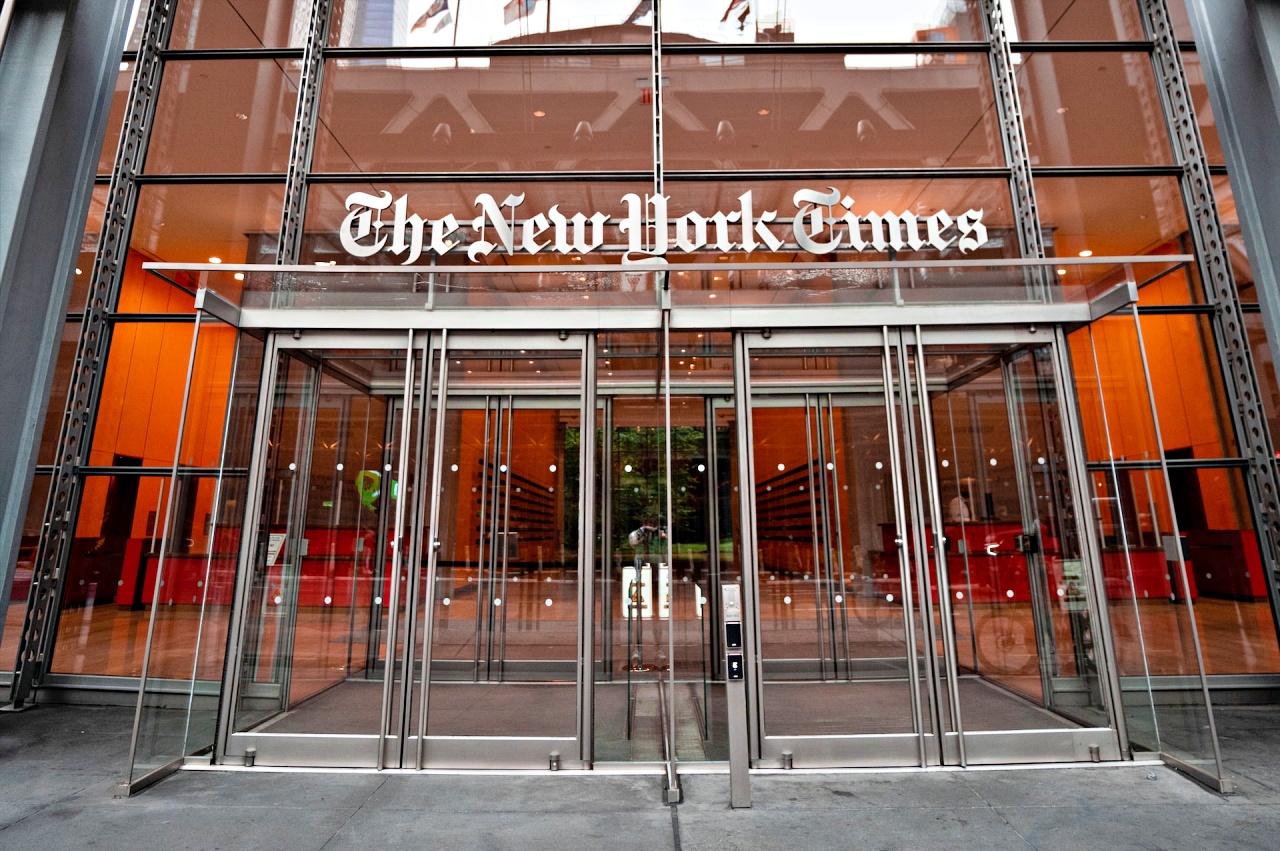
The New York Times filed a lawsuit against Microsoft and OpenAI for the use of its copyrighted work through artificial intelligence tools, which the companies developed and operate. The American daily newspaper publishers are suing the tech forms for infringement, and this legal move was revealed on Wednesday, Dec. 27.
The Times Allegations and Complaints
The New York Times cited the use of OpenAI's ChatGPT chatbot and other AI tools from other major firms, such as Microsoft, for infringing their work materials. The paper said that the companies have been using millions of its articles without proper permission to train and develop their artificial intelligence technologies.
According to Reuters, The New York Times is the first ever major media organization in the United States to step out and sue companies that created AI platforms for copyright issues.
The company explained that Microsoft and OpenAI were free-riding on its newspaper's sizeable investment in its journalism works by utilizing them to form "substitutive products."
The problem is that Microsoft and OpenAI did not secure any permission or pay for the usage of its resources and journalism materials. The publication filed its copyright infringement complaint at a Manhattan federal court.
The New York Times stated, "There is nothing 'transformative' about using The Times's content without payment to create products that substitute for The Times and steal audiences away from it."
Move to Protect the Publication's Works
CNBC reported that the New York Times is represented by Susman Godfrey, the same law firm that represented Dominion Voting Systems against Fox News over the defamation suit, which ended in a $787.5 million settlement
"These tools were built with and continue to use independent journalism and content that is only available because we and our peers reported, edited, and fact-checked it at high cost and with considerable expertise," the paper explained as to why it has sued Microsoft and OpenAI. "Settled copyright law protects our journalism and content."
The paper added, "If Microsoft and OpenAI want to use our work for commercial purposes, the law requires that they first obtain our permission. They have not done so."
Photo by: Spenser Sembrat/Unsplash







