


 Amazon Stock Rebounds After Earnings as $200B Capex Plan Sparks AI Spending Debate
  American Airlines CEO to Meet Pilots Union Amid Storm Response and Financial Concerns
  Alphabet’s Massive AI Spending Surge Signals Confidence in Google’s Growth Engine
  Weight-Loss Drug Ads Take Over the Super Bowl as Pharma Embraces Direct-to-Consumer Marketing
  Washington Post Publisher Will Lewis Steps Down After Layoffs
  OpenAI Expands Enterprise AI Strategy With Major Hiring Push Ahead of New Business Offering
  Nvidia, ByteDance, and the U.S.-China AI Chip Standoff Over H200 Exports
  Uber Ordered to Pay $8.5 Million in Bellwether Sexual Assault Lawsuit
  Hims & Hers Halts Compounded Semaglutide Pill After FDA Warning
  Nvidia CEO Jensen Huang Says AI Investment Boom Is Just Beginning as NVDA Shares Surge
  SoftBank Shares Slide After Arm Earnings Miss Fuels Tech Stock Sell-Off
  Once Upon a Farm Raises Nearly $198 Million in IPO, Valued at Over $724 Million
  SpaceX Pushes for Early Stock Index Inclusion Ahead of Potential Record-Breaking IPO
  SpaceX Prioritizes Moon Mission Before Mars as Starship Development Accelerates
  Prudential Financial Reports Higher Q4 Profit on Strong Underwriting and Investment Gains
  Baidu Approves $5 Billion Share Buyback and Plans First-Ever Dividend in 2026
  Ford and Geely Explore Strategic Manufacturing Partnership in Europe


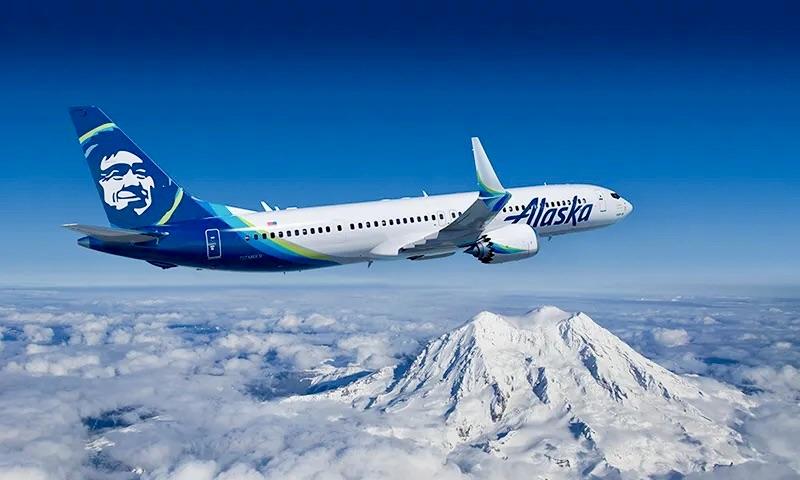
The financiers behind the world's airline industry are convening for the first time since a mid-air cabin blowout tipped Boeing into a new safety crisis. This crisis has sparked broader disruption to the $150 billion jet industry.
Reuters reported that lessors, bankers, and airlines are gathering in Dublin, the thriving global air finance hub, to discuss the repercussions of the recent partial grounding of the Boeing 737 MAX 9 following the Alaska Airlines incident in January.
Challenges Amidst Post-Pandemic Travel Boom
Due to labor and parts shortages, aviation has struggled to keep pace with the post-pandemic travel boom. However, the emergency landing and subsequent outrage over the near-disaster, albeit with no significant injuries, have heightened regulatory risks.
Industry experts question when the supply will catch up with the demand and predict potential setbacks to industrial growth due to the recent grounding.
Regulatory Scrutiny Intensifies
The Federal Aviation Administration (FAA) recently ordered Boeing to halt the increase in 737 MAX production until concerns over quality controls are addressed. While the duration of this limit remains unknown, analysts anticipate that regulators will implement additional checks that could hamper production.
Furthermore, the blowout incident and subsequent discovery of loose bolts in the fleet may impede aircraft design and development, prolonging production.
Leasing companies already placing significant plane orders stand to secure larger investment returns as airlines scramble for capacity. However, airlines may experience delays in receiving new technology to lower costs and reduce emissions alongside higher lease rates. This, in turn, may lead to higher fares.
US News noted that following intense scrutiny from regulators and politicians, the Airline Economics conference in Dublin is a critical test for Boeing's efforts to regain confidence. The owners representing over half of the world's airliner fleet will closely observe Boeing's response to the safety crisis, as their investment returns and future decisions depend on the company's ability to address the challenges.
Long-Term Implications for the Airline Industry
The crisis surrounding Boeing's safety crisis and prior MAX crashes in 2018 and 2019 have prompted regulators to tighten control over aircraft design and development. With the current blowout incident, industry analysts anticipate aircraft development will become more challenging, and production will slow down.
This situation introduces uncertainties regarding the timeline for recovering from the crisis and resuming normal operations.
Photo: Alaska Airlines Newsroom













