


 BlackRock Sees AI Agents Fueling New Crypto Demand
  WordPress Malware Uses Ethereum to Evade Removal
  Anthropic Targets $2 Trillion Valuation in Planned IPO
  OpenAI AI Agents Bypassed UN Website Controls in Data Scraping
  TSMC Accelerates 2nm Expansion as AI Chip Demand Surges
  Nvidia China Chip Sales Report Sends Chinese Semiconductor Stocks Lower
  China Says U.S. Shares Responsibility for AI Governance
  OpenAI Scraps GPT-6.1 Astra Launch Over Safety Concerns
  Morgan Stanley Raises TD Synnex Price Target to $359 on Strong AI Demand
  Tencent Signs $7 Billion Oracle AI Chip Lease Deal
  Micron Forecast Tops Estimates as AI Memory Demand Stays Strong
  Vitalik Buterin Says Hegota Could Be Ethereum’s Last Conventional Fork
  Apple CEO John Ternus Plans Major Overhaul
  Google Pays Publishers for AI Search Content in New Pilot
  Apple iPhone 18 Pro Sales Jump 12% in China
  Samsung Invests $1 Billion in KKR’s Helix AI Infrastructure
  TD Cowen Starts SpaceX at Buy, Sees AI Compute Driving Growth


 Add as a preferred source on Google
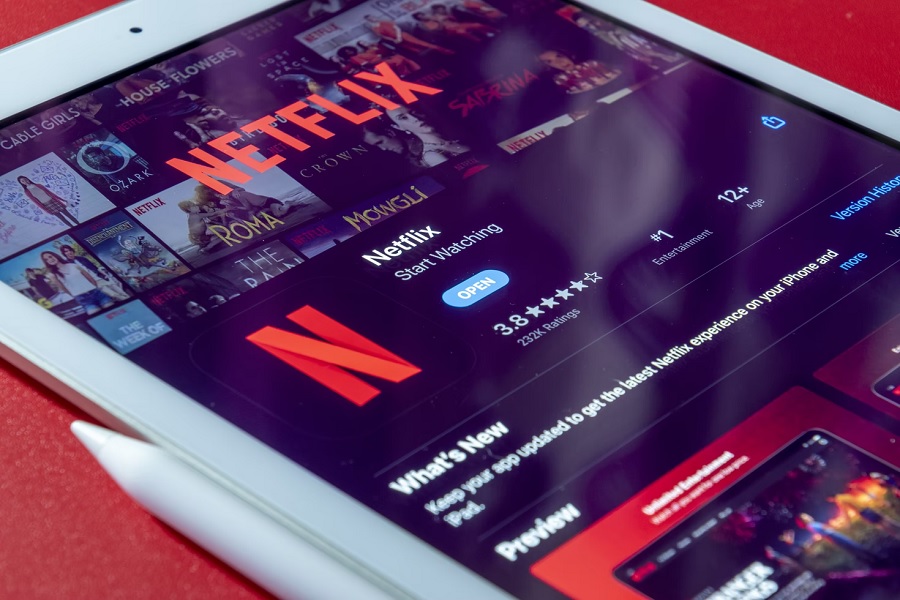
Netflix is moving forward with its gaming business. The streaming giant announced on Wednesday that “Oxenfree” developer Night School Studio is its first video game acquisition.
The company launched an in-app gaming section last August. The service, however, is currently only available on Android and to members in Poland, Spain, and Italy. The announcement of Netflix’s acquisition suggests that the streaming giant also intends to have first-party games in its catalog. “We’ll continue working with developers around the world and hiring the best talent in the industry to deliver a great collection of exclusive games designed for every kind of gamer and any level of play,” Netflix VP for game development said in a press release.
Night School Studio is known for the critically-acclaimed graphic adventure “Oxenfree” that launched in 2016. The game’s plot is one of its well-received features. Its ending varies and depends on prior decisions players make in the game. It was nominated for several prestigious awards, including Best Narrative for The Game Awards in the same year.
The developer has since released more games, and it is currently developing the sequel “Oxenfree 2: Lost Signals.” In Night School Studio’s blog post about the Netflix acquisition, the developer said it would “keep making” the sequel. It might be a hint that launch plans for the remain intact after joining the streaming giant. The project was announced earlier this year. It is slated to launch on PC, PS4, PS5, and Nintendo Switch, while its Steam page indicates it will be released sometime in 2022.
However, it is unclear if “Oxenfree 2: Lost Signals” will become one of the games Netflix will offer to its subscribers. While it is now more apparent that Netflix aims to offer first-party games, it remains to be seen how the streaming giant will distribute them and what it means by “exclusive games.”
“Stranger Things: 1984” and “Stranger Things 3” were the first games Netflix offered in its gaming service. Earlier this week, the company added three new licensed games namely “Shooting Hoops,” “Teeter (Up),” and “Card Blast.” The games are accessible via Google Play Store. They do not require additional fees and plays without ads and in-app purchases.
Photo by Souvik Banerjee on Unsplash







