


 Trump Says ‘Freedom’ Is Coming to Cuba
  Carney Condemns Belleville Synagogue Shooting That Wounded Police Officer
  US Plans Two New Military Bases in Greenland Under Arctic Deal
  Marco Rubio to Meet Russia’s Lavrov in New York
  China Tightens Fentanyl Rules Ahead of Trump-Xi Summit
  Russian Strikes Kill Eight Across Ukraine as Energy Sites Hit
  CNN, MS NOW and Politico Sue Trump Over White House Media Ban
  US, Denmark and Greenland Set to Sign Arctic Security Deal
  Zelenskiy Meets CIA Chief John Ratcliffe at Ireland’s Shannon Airport
  Macron Challenges Trump’s Gaza Peace Claims at UN
  Paramount-Warner Bros $110 Billion Deal Draws Antitrust Backlash
  UK, Mauritius Seek Diego Garcia Base Deal
  Burnham Eyes UK Leadership Role in AI Ahead of Trump Meeting
  Trump Board of Peace Unveils $2.45 Billion Gaza Recovery Plan
  Scott Bessent Eyed as Trump’s New AI Czar
  Taiwan Vows to Advance US Arms Sales Ahead of Trump-Xi Meeting
  Vietnam, US Trade Deal Could Be Signed Soon, To Lam Says


 Add as a preferred source on Google
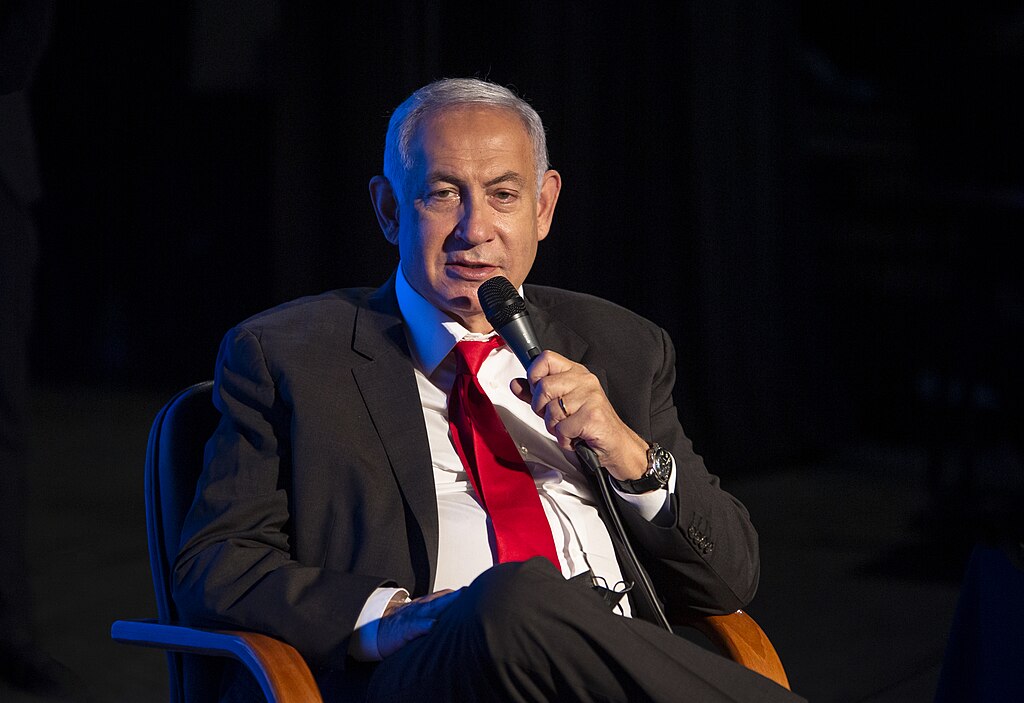
Israeli Prime Minister Benjamin Netanyahu is facing declining political support in northern Israel, a region heavily affected by Hezbollah rocket and drone attacks, according to a recent poll conducted by Agam Labs at the Hebrew University of Jerusalem. The findings highlight increasing pressure on Netanyahu as the 2026 Israeli election approaches and security concerns remain a dominant issue for voters.
The survey revealed that support for Netanyahu’s Likud party has fallen significantly in northern communities compared to other parts of Israel. Only 23% of northern voters said they would support Likud in the next election, a sharp drop from the 35% the party secured in the 2022 vote. Many residents expressed dissatisfaction with the government’s handling of the conflict with Hezbollah in Lebanon.
Security remains the top concern for voters in cities such as Kiryat Shmona, which has endured frequent rocket sirens and attacks since October 2023. Residents say they want stronger military action against Hezbollah and remain skeptical that ceasefire agreements can provide lasting protection. The latest Israel-Lebanon ceasefire, announced on Wednesday, has done little to ease concerns among many northern voters who believe the threat has not been fully eliminated.
The political challenge for Netanyahu is complicated by international diplomacy. The United States, led by President Donald Trump, has been pushing for regional de-escalation and broader negotiations involving Iran. Some Israeli voters believe Netanyahu has been too willing to accommodate American pressure, while opposition leaders argue that Israel should maintain a tougher stance against Hezbollah.
Political rivals, including former military chief Gadi Eizenkot, have intensified their campaigns in northern Israel by emphasizing national security and promising stronger action against militant threats. The region, which represents a significant portion of Israel’s electorate, could play a decisive role in determining the outcome of the upcoming election.
As tensions continue along Israel’s northern border, voter frustration over security, displacement, and economic disruption is reshaping the political landscape. With elections expected by October 2026, Netanyahu faces mounting challenges in retaining support from a region that was once considered a stronghold for his party.







