


 Honda Targets $9.4 Billion in Cost Cuts as China EV Competition Intensifies
  US Tech Giants’ AI Bond Boom Raises Euro Zone Borrowing Risks
  SpaceX Turbine Push Unlikely to Threaten Howmet, Bernstein Says
  Adobe Names Anil Chakravarthy CEO as AI Push Accelerates
  Microsoft to Reveal Azure Revenue in Major Reporting Shake-Up
  Deutsche Telekom Shares Rise as Elliott Pushes Against T-Mobile Merger
  Tesla Cybercab Launch Puts Robotaxi Ambitions in Focus
  MongoDB Stock Sinks 14% as Atlas Growth Misses Expectations
  Volkswagen Approves 50,000 More Job Cuts in Major Restructuring
  Thomson Reuters C-Track Cyberattack Hits Courts Across U.S. and Canada
  Shein Shares Drop 5% After Weak Hong Kong IPO Debut
  Lenovo Shares Fall After Dropbox Security Breach Exposes ID Vulnerability
  Xiaomi Shares Jump on Europe EV Expansion Plan
  Tesla Cybercab Rides Launch in Austin as NHTSA Reviews Rollout
  South Korea, US Discuss Chip Investments Amid Tariff Plans
  ByteDance Secures $29.6 Billion Loan to Boost AI Investment
  OpenAI Launches GPT-6 Astra With Advanced AI Agent Capabilities


 Add as a preferred source on Google
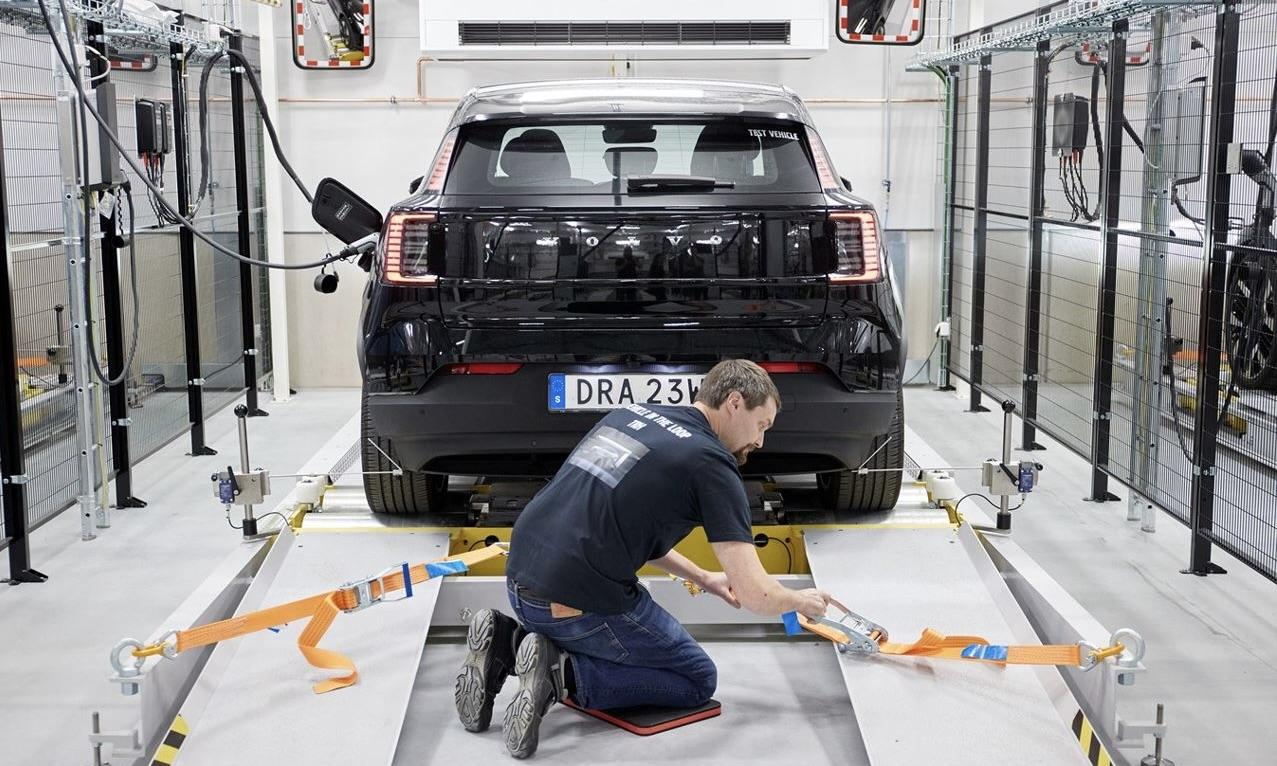
Companies including Nestle, Unilever, Mahindra Group, and Volvo Cars are urging political leaders to establish a clear timeline for phasing out fossil fuels. The 131 companies with nearly $1 trillion in global annual revenues drafted a letter calling for immediate action.
Ahead of the upcoming U.N. climate summit, the companies stressed the importance of committing to 100% decarbonized power systems in 2035 for richer economies and financially supporting developing nations in transitioning away from fossil fuels by 2040.
The U.N. climate summit, COP28, is set to begin in Dubai on November 30th. The summit takes place amidst warning signs from scientific experts that the current trajectory falls short of the goals set by the 2015 Paris Accord. This international agreement aims to restrict global temperature rises to 1.5 degrees Celsius (34.7°F) above pre-industrial levels.
Transitioning to Clean Energy
The signatories highlighted the tangible costs and consequences of increasing extreme weather events resulting from climate change. According to Reuters, the impact on their businesses and the global community at large motivated their collective call to action. Coordinated by the non-profit We Mean Business Coalition, the letter emphasizes the urgent need for global climate action.
Acknowledging the crucial role of a decarbonized global energy system, the companies stressed the simultaneous need to accelerate the adoption of clean energy sources while phasing out fossil fuel use and production.
The Times of India noted that this dual approach offers a pathway towards a sustainable and carbon-neutral future. Major players across diverse sectors, including Bayer, Heineken, IKEA, and Iberdrola, have signed the letter, underscoring the collective commitment to combat climate change.
Collaborative Efforts for a Sustainable Future
While companies like Nestle are increasingly setting their emission reduction targets, they emphasize that government action is crucial to achieving significant progress. Many businesses recognize that their ability to mitigate planet-warming carbon dioxide emissions is contingent upon swift and effective action from governments worldwide.
The speed at which countries should phase out fossil fuels emerges as a contentious topic at the summit. While European nations and others advocate for an immediate shift from CO2-emitting fuels, this stance faces opposition from major fossil fuel producers and consumers.
Additionally, poorer countries argue that they cannot sufficiently reduce their carbon dioxide emissions without substantial financial support from wealthier nations.
Photo: Volvo Newsroom







