


 Parasites are ecological dark matter – and they need protecting
  Debate over H-1B visas shines spotlight on US tech worker shortages
  Japan Eyes Tax Changes to Curb Condo Speculation
  Time to buy local: war fuel price shocks reveal the folly of a long food supply chain
  Japan Firms Ramp Up Yen Hedging as Currency Weakness Persists
  HP Stock Drops 9% Despite Q3 Earnings Beat and Raised 2026 Outlook
  Asian Energy Stocks Slide as Iran-Oman Hormuz Talks Pressure Oil Prices
  Rise of the Zombie Bugs takes readers on a jaw-dropping tour of the parasite world
  Asian Currencies Slip as Dollar Rebounds on Iran Sanctions
  Google promotes ‘teacher approved’ apps for kids. Here’s what parents should know
  Trump Administration Plans New Drug Pricing Deals With Biotech Firms
  Extreme heat, flooding, wildfires – Colorado’s formerly incarcerated people on the hazards they faced behind bars
  Bathla Group Hires Administrators as Australia Housing Slump Deepens
  How to create a thriving forest, not box-checking ‘tree cover’
  Meta Agrees to $18 Billion Settlement, Tightens Teen Social Media Rules
  Oil Prices Fall as Middle East Ceasefire Hopes Rise


 Add as a preferred source on Google
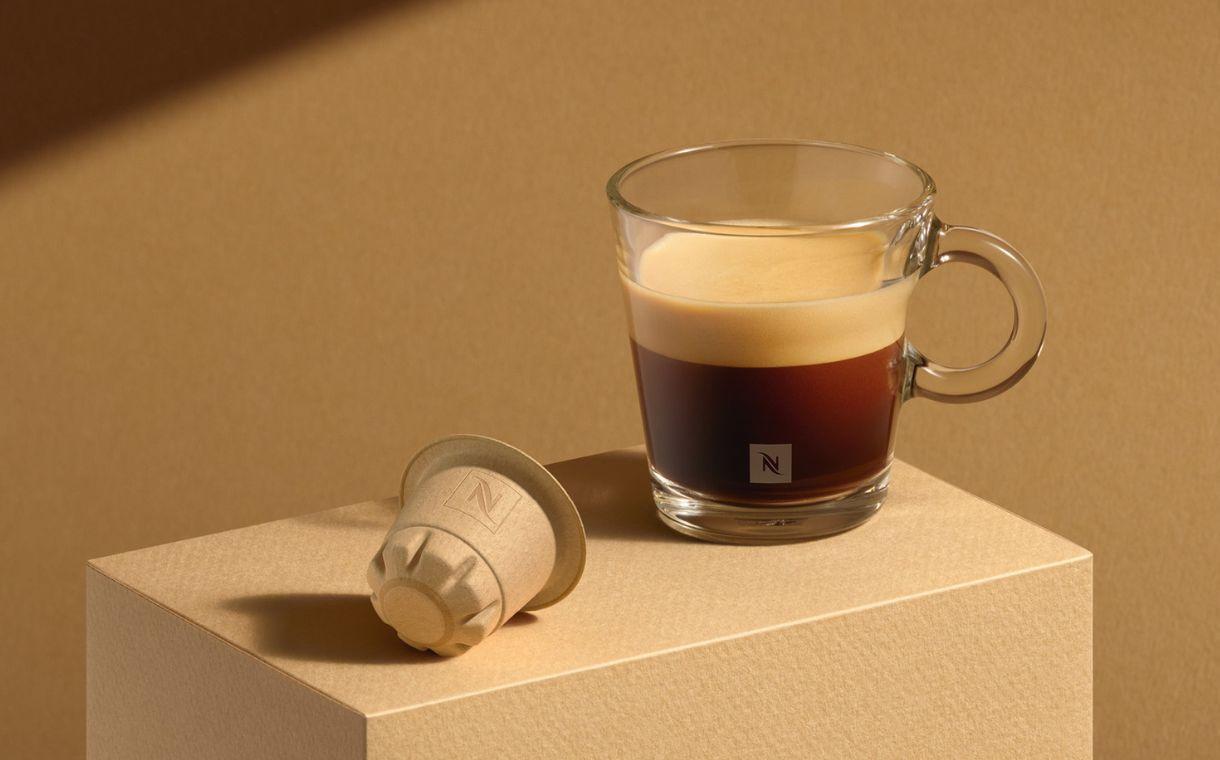
Nespresso has launched its compostable paper-based coffee capsules, which protect coffee against oxidization during transport, storage, and high-pressure extraction.
The capsules feature proprietary technology, such as a biopolymer lining, based on three years of research and development with sustainable packaging solution provider Huhtamaki.
According to Julia Lauricella, head of Nestlé System Technology Centre, they combined a high-precision paper pulp forming process with a biodegradable layer for protection against oxidation.
Huhtamaki CEO, Charles Héaulmé, added that part of this breakthrough innovation is the result of combining paper pulp from wood fiber and compressing it to a coffee capsule using their high-precision technology.
The paper-based capsules are certified for composting by the international certification body, TÜV Austria.
Nespresso also uses recyclable aluminum capsules that are made using 80 percent recycled aluminum.
The new range will pilot in France and Switzerland on the Nespresso Original system and will be launched in several other European countries within the year.







