


 India–U.S. Interim Trade Pact Cuts Auto Tariffs but Leaves Tesla Out
  Japanese Pharmaceutical Stocks Slide as TrumpRx.gov Launch Sparks Market Concerns
  Trump Signs Executive Order Threatening 25% Tariffs on Countries Trading With Iran
  Thailand Inflation Remains Negative for 10th Straight Month in January
  BOJ Rate Decision in Focus as Yen Weakness and Inflation Shape Market Outlook
  Dow Hits 50,000 as U.S. Stocks Stage Strong Rebound Amid AI Volatility
  Trump Endorses Japan’s Sanae Takaichi Ahead of Crucial Election Amid Market and China Tensions
  China Extends Gold Buying Streak as Reserves Surge Despite Volatile Prices
  Federal Reserve Faces Subpoena Delay Amid Investigation Into Chair Jerome Powell
  Trump Lifts 25% Tariff on Indian Goods in Strategic U.S.–India Trade and Energy Deal
  Trump’s Inflation Claims Clash With Voters’ Cost-of-Living Reality
  Dollar Steadies Ahead of ECB and BoE Decisions as Markets Turn Risk-Off
  Russian Stocks End Mixed as MOEX Index Closes Flat Amid Commodity Strength


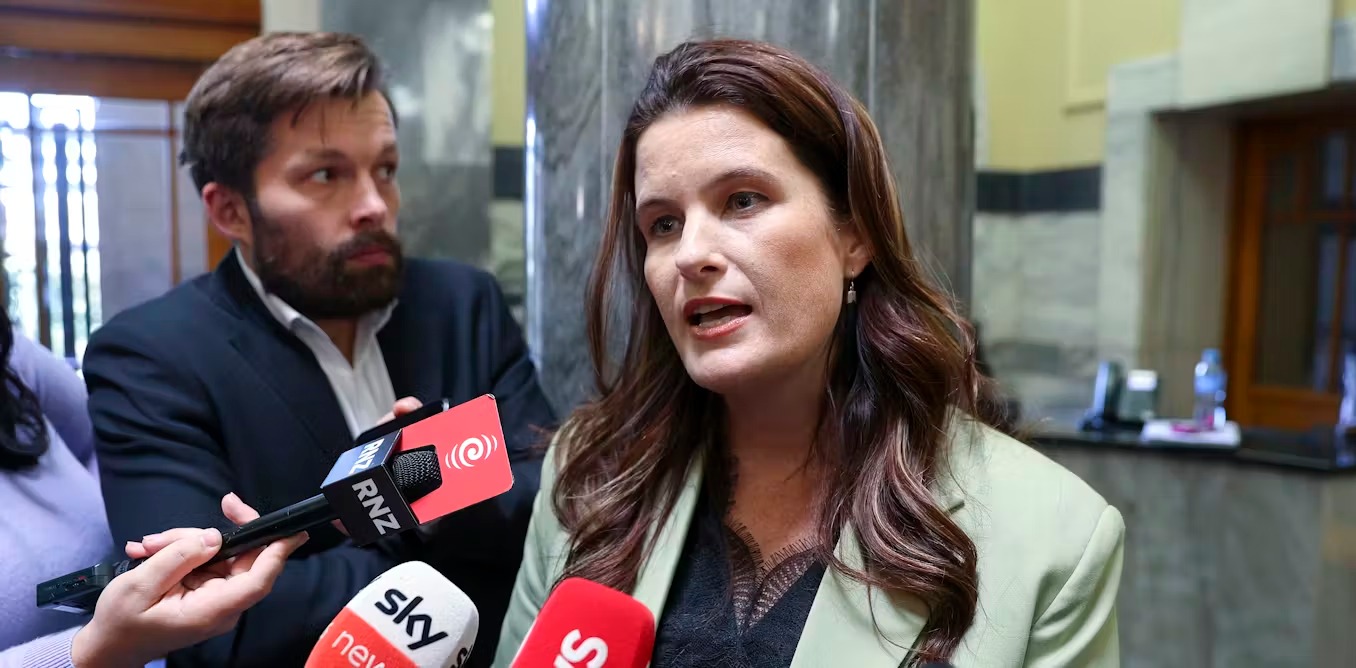
New Zealand Finance Minister Nicola Willis is calling on the Reserve Bank of New Zealand (RBNZ) to increase the frequency of its monetary policy meetings, raising concerns over the long gaps between decisions—particularly the 12-week summer break.
While the final decision lies with the RBNZ, Willis stated on Tuesday that she believes the Monetary Policy Committee should meet more often. "My view is that the committee should meet more frequently," she said in a statement, first reported by Bloomberg. "I think the Reserve Bank should return to meeting eight times a year."
The RBNZ reduced its policy meetings from eight to seven annually in 2016, allowing for a prolonged break at year-end. This extended gap has drawn criticism, especially as central banks in the UK, US, Canada, and Australia meet more frequently.
Willis expressed concern that the lengthy break may limit the central bank’s flexibility in responding to economic shifts. At the end of 2023, some economists warned that the RBNZ may have felt compelled to take more aggressive monetary actions than necessary due to the long wait between meetings, possibly increasing the risk of policy missteps.
To support her stance, Willis has requested advice from the Treasury on the appropriate frequency for central bank meetings, signaling the government’s growing interest in more agile monetary policymaking.
The call for change comes amid broader discussions on how central banks can stay responsive in an evolving economic environment. Increased meeting frequency could enhance the RBNZ’s ability to respond swiftly to inflation, recession risks, and global economic shocks—improving market confidence and financial stability.













