


 US Backs Musk in Fight Against EU’s €120 Million X Fine
  Venezuela Promises Elections as Delcy Rodriguez Pledges Democratic Transition
  North Korea Rejects Nuclear Test Warning, Calls Nuclear Status Irreversible
  EU Defence Build-Up Too Slow for 2030 Russia Readiness Goal
  France Defends Netanyahu Airspace Clearance Despite ICC Warrant
  Trump, Xi Focus on Trade and AI at White House Summit
  US Invites Putin to Miami G20, Opening Door to Trump Summit
  Abbas Reaffirms November 28 Palestinian Elections
  US Senate Rejects Iran War Powers Resolution in 50-49 Vote
  Mexico-US Trade Talks Delayed to October as Tariff Negotiations Continue
  Trump Administration Plans Faster FDA Reviews for Smoke-Free Nicotine Products
  Taiwan Thanks US for Support Ahead of Trump-Xi Summit
  US Officials Split Over Response to Israeli West Bank Settlements
  Russian Missile and Drone Attack on Kyiv Kills Two, Damages Maternity Hospital
  Sudan Rejects US Legitimacy Remarks, Defends Sovereignty
  Netanyahu Takes Aim at Mamdani as Israel Election Nears
  Europe Warns Russia Is Escalating Hybrid Attacks Across NATO


 Add as a preferred source on Google
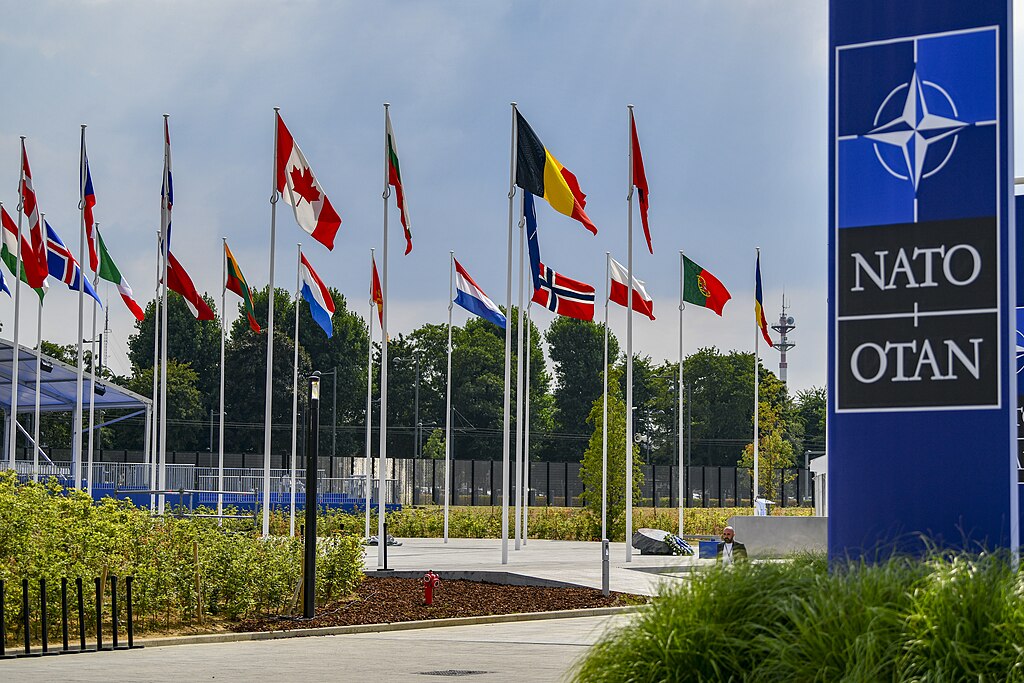
European leaders are intensifying diplomatic efforts to keep the United States committed to NATO as tensions escalate following President Donald Trump’s controversial decision to withdraw 5,000 U.S. troops from Germany. The move has raised concerns about the stability of the transatlantic alliance, particularly amid ongoing geopolitical challenges such as the Iran conflict and rising security threats from Russia.
While the troop reduction did not entirely surprise NATO officials, it highlighted a broader shift in U.S. foreign policy. European nations have increasingly been urged to take greater responsibility for their own defense, a stance long advocated by Trump. However, the abrupt nature of the decision, combined with limited consultation, has alarmed key allies. German officials, in particular, expressed concern over the political implications, suggesting that long-standing partnerships may now be subject to unpredictable changes.
Another point of tension is the cancellation of plans to deploy U.S. Tomahawk missiles in Germany, a strategy initially introduced under President Joe Biden. This development, along with Trump’s criticism of European support during the Iran war, has deepened divisions within NATO. Some European leaders have pushed back against these criticisms, emphasizing their contributions, including allowing U.S. forces access to bases and airspace during military operations.
Despite these disagreements, European diplomats recognize the importance of maintaining strong ties with the United States, given their reliance on American military power for regional security. Efforts are underway to demonstrate Europe’s value within NATO, including increased defense spending and support for future missions such as securing the Strait of Hormuz.
However, divisions among European leaders persist, particularly regarding their stance on the Iran conflict. While Western European countries have openly criticized the war, others warn that weakening NATO unity could embolden adversaries like Russia. As NATO prepares for upcoming summits, the alliance faces a critical moment in redefining its future role and cohesion in global security.







