


 NASA and SpaceX Target Crew-11 Undocking From ISS Amid Medical Concern
  China vs. NASA: The New Moon Race and What's at Stake by 2030
  Guterres Urges Stronger Global AI Safeguards Ahead of UN Assembly
  Neuralink Expands Brain Implant Trials with 12 Global Patients
  SpaceX Nasdaq 100 Weight to More Than Double in Rebalance
  FDA Adds Fatal Risk Warning to J&J and Legend Biotech’s Carvykti Cancer Therapy
  Trump Plans Federal AI Force and AI Czar
  MediaTek Unveils 2nm Dimensity 9600 Pro AI Chip
  Trump Administration Releases New UFO Files and Apollo Mission Records
  Blue Origin New Glenn Rocket Explodes During Launch Pad Test, Delaying Space Ambitions
  Hyundai CEO Warns Chinese Automakers Could Disrupt US Market
  DOJ Will Investigate AI-Related Crimes, Attorney General Blanche Says
  SpaceX Delays Starship V3 Launch Ahead of Potential Record IPO
  Japan, U.S. Discuss $19 Billion GlobalFoundries Chip Plant
  Meta CEO Zuckerberg Backs Independent AI Safety Reviews Over Development Slowdown


 Add as a preferred source on Google
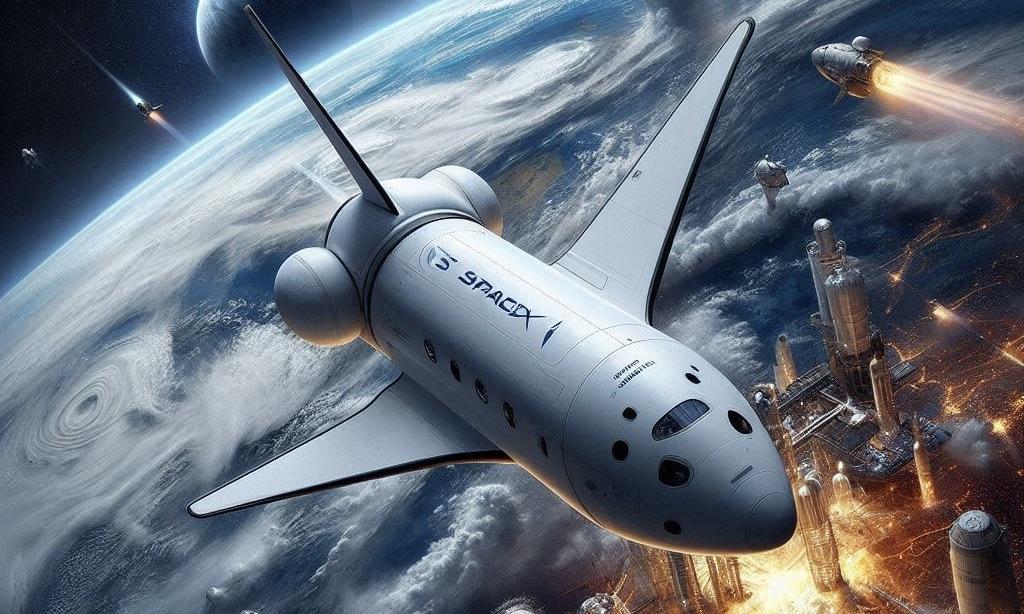
NASA has decided to return astronauts Suni Williams and Butch Wilmore aboard SpaceX's Crew Dragon 9 in February, citing safety concerns with Boeing's Starliner. The decision follows months of testing and a comprehensive assessment involving multiple NASA teams.
NASA Prioritizes Safety, Opts for SpaceX's Crew Dragon Over Boeing's Starliner for February Return
NASA Administrator Bill Nelson recently disclosed that astronauts Suni Williams and Butch Wilmore will return to Earth in February on SpaceX's Crew Dragon 9. Following months of testing and data analysis that initially appeared favorable for Boeing's Starliner until last month, the decision was disclosed during a press conference, per Wccftech.
Nelson also specified that NASA is actively collaborating with Boeing to guarantee the readiness of the Starliner for future missions to the International Space Station (ISS). He emphasized NASA's "commitment to safety" as the primary cause for selecting SpaceX's Crew Dragon over Starliner for the forthcoming mission. Nelson noted that NASA's decision-making process is guided by safety, which is the organization's "core value" and "North Star."
Jim Free, NASA's Associate Administrator, offered additional insights, emphasizing that the decision was made following a comprehensive assessment that involved the engineering, safety, medical, and flight operations teams. He recognized the persistent uncertainties in comprehending the mechanics of Starliner's thrusters, which resulted in the decision to return the crew uncrewed.
Ken Bowersox, NASA's Associate Administrator for Operations, elucidated the decision-making process, emphasizing that a poll among major NASA organizations favored an uncrewed Starliner flight test. Next week, this test will be followed by an additional readiness assessment to prepare for the uncrewed undocking of the Starliner from the ISS.
NASA Adjusts Starliner Plans, Cites Thruster Risks; Crew Dragon to Bring Astronauts Home
NASA's commercial crew manager, Steve Stich, commended the teams for their unwavering dedication throughout the summer despite the difficulties they faced in forecasting the performance of Starliner's thrusters. Stich stated that the most prudent course of action was to return Starliner uncrewed, as the hazards associated with thruster performance during the deorbit burn and separation sequence were significant.
So, to expedite the undocking procedure for Starliner, NASA is revising the separation sequence. Williams and Wilmore are expected to remain on the station until February after the spacecraft is scheduled to land and undock in early September. Additionally, NASA and SpaceX will modify the Crew Dragon 9 to accommodate the two astronauts during the voyage and return with four.







