


 Goldman Predicts 50% Odds of 10% U.S. Tariff on Copper by Q1 Close
  Stock Futures Dip as Investors Await Key Payrolls Data
  US Gas Market Poised for Supercycle: Bernstein Analysts
  Gold Prices Fall Amid Rate Jitters; Copper Steady as China Stimulus Eyed
  U.S. Stocks vs. Bonds: Are Diverging Valuations Signaling a Shift?
  European Stocks Rally on Chinese Growth and Mining Merger Speculation
  Fed May Resume Rate Hikes: BofA Analysts Outline Key Scenarios
  UBS Projects Mixed Market Outlook for 2025 Amid Trump Policy Uncertainty
  Energy Sector Outlook 2025: AI's Role and Market Dynamics
  China's Refining Industry Faces Major Shakeup Amid Challenges
  S&P 500 Relies on Tech for Growth in Q4 2024, Says Barclays
  Geopolitical Shocks That Could Reshape Financial Markets in 2025
  Wall Street Analysts Weigh in on Latest NFP Data
  U.S. Banks Report Strong Q4 Profits Amid Investment Banking Surge
  Moody's Upgrades Argentina's Credit Rating Amid Economic Reforms
  Moldova Criticizes Russia Amid Transdniestria Energy Crisis


 Add as a preferred source on Google
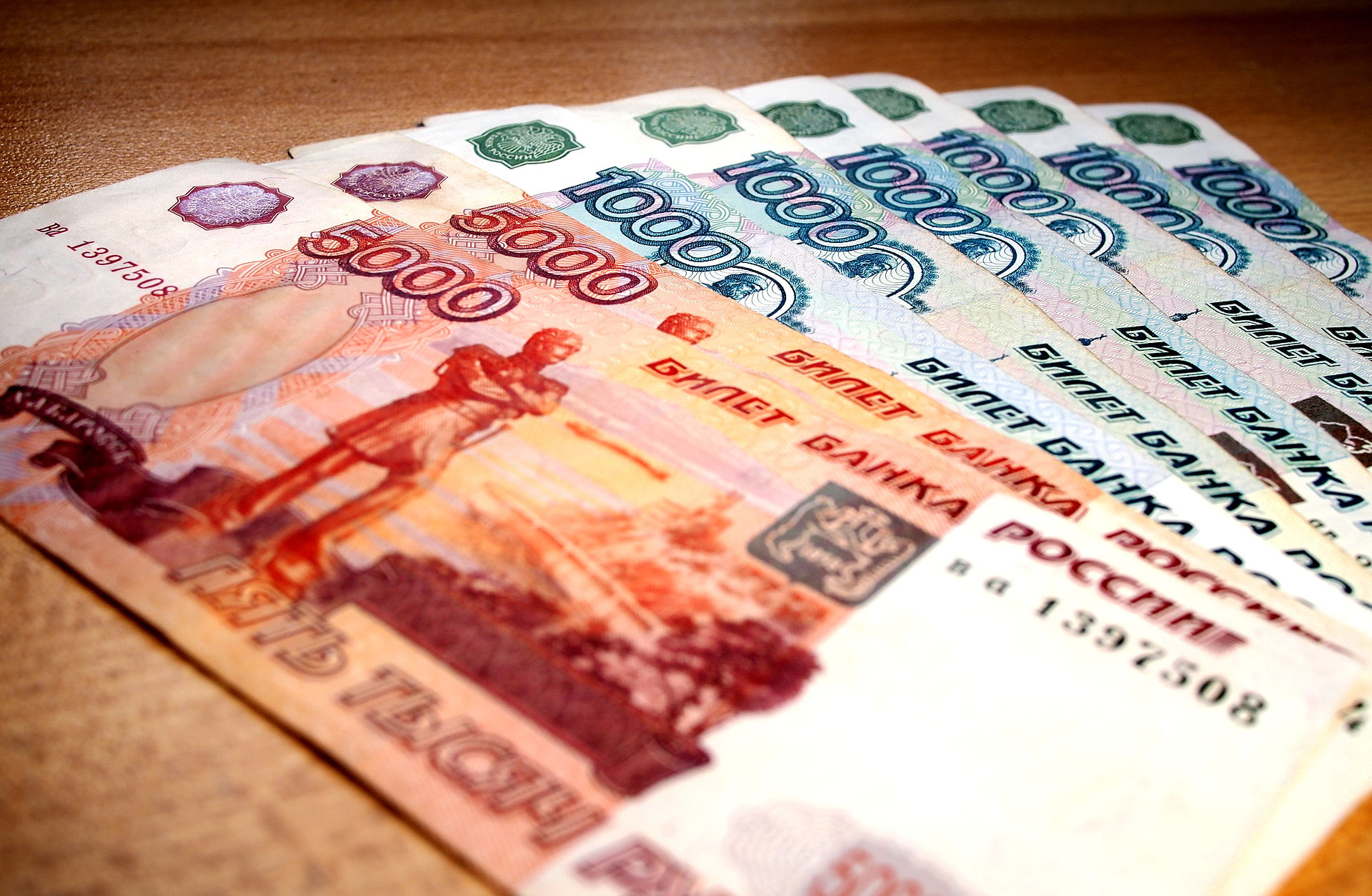
The rouble depreciation, which accelerated in January 2016, will exacerbate the challenges Russian banks are already shouldering from the economic recession, says Moody's Investors Service in a report published today.
"We expect Russian banks' capital ratios and loan performance to bear the brunt of the country's falling currency and economic contraction," says Irakli Pipia, a Vice President at Moody's. "We also envisage a detrimental impact on bank profitability as rising problem loans will likely lead to higher loan-loss provisioning expenses for banks."
The rouble dropped a further 3% in January 2016, after falling 23% versus the dollar in the second half of 2015. At the same time, the Russian economy contracted by 4% real GDP for 2015 and Moody's forecasts further GDP contraction of at least 2% in 2016.
Moody's expects Russian banks' capital buffers to fall as a result of currency depreciation. Close to a third of the banking sector's loan book is denominated in foreign currency and the falling rouble will likely inflate the value of these loans in the calculation of risk-weighted assets (the denominator of the capital ratio) pushing it higher and, consequently, capital ratios lower. Without accounting for additional loan growth, a 10% rouble devaluation could lead to a 30 basis point negative impact on capital ratios, in Moody's view.
In addition, Moody's expects the recession, with the added burden of currency depreciation, to lead to rising problem loans for Russia's banks. The rating agency estimates the stock of nonperforming and impaired loans in the banking system to rise to 14%-16% over the next 12 months, from an estimated 11% as of year-end 2015.
These rising problem loans are also likely to impact profits, as they lead to higher loan-loss provisioning expenses for banks. Currency depreciation may also prevent the Central Bank of Russia from lowering its key interest rates (currently at 11%), which sets the benchmark and influences the rates which banks pay for customer deposits and the rates at which they borrow on the interbank market.
Pressure on the banks' funding base may also emerge if corporate and retail depositors decide to protect themselves from the falling currency and switch to FX deposits. Trends so far show rouble deposits stagnating while FX deposits have increased. The percentage of FX deposits to total deposits rose to 39% as at end of December 2015, compared to 29% as at end of March 2014.
Moody's current ratings and outlooks for Russian banks are consistent with the risks outlined in the report.

- News

- Economy

- Central Banks
- Investing
- Research
- Roundups
- Digital Currency
- Insights
- Technical Analysis
- Technology
- Business
- Law
- Health
- Nature
- Fintech
- Science
- Topic
- Opinions
- ©Econometrics LLC . All Rights Reserved.
Moody's: Rouble depreciation will pressure Russian banks' capital and loan quality
Thursday, February 11, 2016 7:43 AM UTC
Editor's Picks



- Market Data
Most Popular




