


 TSMC Posts Strong Q1 2025 Revenue, Riding AI Chip Demand Wave
  SanDisk Joins Nasdaq-100, Replacing Atlassian on April 20
  U.S. Automakers Push Back Against EU Rules Blocking American Trucks from European Market
  Bank of America Identifies Top Asia-Pacific Semiconductor Stocks Poised for AI-Driven Growth
  Rio Tinto's California Boron Assets Attract Over a Dozen Bidders, Valued at Up to $2 Billion
  San Francisco Suspect Arrested After Molotov Cocktail Attack on OpenAI CEO Sam Altman's Home
  Alibaba Shares Slide as Jefferies Slashes Price Target Over AI Spending and Business Losses
  Bendigo and Adelaide Bank Posts Strong Q3 Earnings, Announces AI-Driven Job Cuts
  Pony.ai, Uber, and Verne Launch Europe's First Commercial Robotaxi Service in Zagreb
  NIO ES9 SUV Launch Sends HK Shares Down 7% Despite Bold Pricing Strategy
  Tokyo Electric Power Attracts Major Investors Amid Billion-Dollar Restructuring Push
  Pilots Fear Retaliation for Refusing Middle East Flights Amid Ongoing Conflict
  LG Electronics Posts Record Q1 Revenue Amid Strong Demand and Cost Improvements
  Anthropic Fights Pentagon Blacklisting in Dual Federal Court Battles
  Goldman Sachs, ANZ Cut Oil Forecasts Amid U.S.-Iran Ceasefire Hopes
  China Vanke Seeks Bond Extension Amid Mounting Debt Crisis
  BHP's Incoming CEO Visits China Amid Pricing Dispute with CMRG


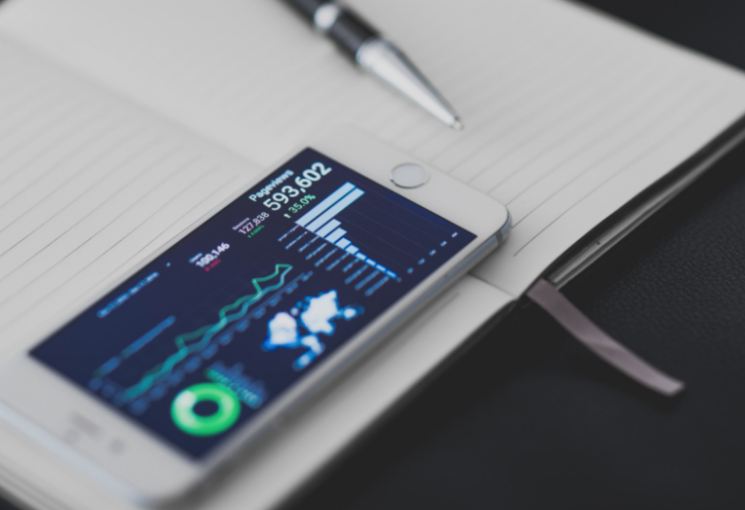
Current trends in the cell phone market indicate that users are spending more to lay their hands on a better mobile device; hence, driving mobile sales through the roof.
According to Garner, Inc, the first quarter of 2017 has seen buyers lap up a massive 380 million units from the market. As you would expect, mobile phone companies producing exemplary but costly devices rule the market as consumers go to great lengths to get those devices. Consequently, Samsung and Apple are giving the rest of the pack sleepless nights, but Chinese manufacturers, such as Huawei and Oppo have come up with strategies to beat the competition. Here are the top five best-selling phone companies of 2017.
Samsung
Samsung has been causing shock waves on the mobile market since its launch of the Galaxy series less than a decade ago. Their latest phone, the Galaxy S8 Plus, is an intricate piece of technology, combining functionality and aesthetics. It followed an earth-breaking release of the Galaxy S8 which wowed the world by its almost bezel-less design. Samsung through the home button out the window and placed the fingerprint sensor next to the back camera. Despite the hefty price tag of over $800, Samsung continues to dominate the market by over 20%. The first three months of 2017 saw it sell over 78 million units, becoming the best-selling mobile phone company.
Apple
Apple plans to have a big event this September, which everybody believes will see the launch on yet another model in their line of iPhones. The iPhone 8, or whatever name Apple decides to use, is going to give Samsung a run for its money as the company looks set to increase the screen-to-body ratio. This would mean doing away with the front-based fingerprint sensor and introducing a mind-boggling face-recognition camera. Previous Apple releases have been big hits, but have not been able to match Samsung’s pace. Apple has been struggling to catch up, but is a second best-selling company in 2017, selling out over 51 million units worldwide which are 14% of the market share.
Huawei
The Chinese-based mobile phone maker sold slightly over 34 million units this year, coming third after Apple. Huawei has been pricing its devices competitively, but strive to offer high-quality phones that offer innovation, as Anshul Gupta, the research director at Gartner reports. Gupta adds that aggressive marketing promotions have helped catapult the Huawei phone brand onto the third position, ahead of their closest rivals, Oppo. Huawei phones are budget-friendly but bear relatively premium features; hence, attracting a large following. It currently commands 9% of the market share.
Oppo
Oppo is a relatively new entrant on the scene but have continued to churn out flagship devices that are competing favourably with established sellers like Huawei. It has sold 31 million units so far this year, and things are looking bright for this Chinese-based firm. To control 8% of the global market share is a big feat, considering that it is relatively new.
Vivo
It has managed to beat giant electronic companies like LG and Nokia, yet it is new on the scene. It has sold 26 million units this year, representing 7% of the global cell phone market.
The changing trends in the market mean that mobile phone users are craving for superior devices with extreme features that capture their fancy. They are willing to spend more to enjoy the thinnest bezel phone or the super AMOLED display on high-end phones. Samsung seems to have fulfilled all these desires; hence, the highest seller so far this year.







