


 ADNOC Gas Targets Up to $4B Profit in 2026
  The pandemic is still disrupting young people’s careers
  AI is driving down the price of knowledge – universities have to rethink what they offer
  Daimler Truck Q2 Profit Falls 18%, 2026 Outlook Raised
  Anthropic Signs $9.1B AI Data Center Deal With Riot Platforms
  Goldman Sachs Sees US Stock Buybacks Outpacing Equity Issuance as AI Funding Rises
  Heritage, desire and diplomacy: why China still values scotch whisky
  U.S. Stock Futures Flat Ahead of July CPI Data
  Dollar Steady as Markets Await U.S. Inflation Data
  Debate over H-1B visas shines spotlight on US tech worker shortages
  South Korean Won Leads Asian FX Losses as Dollar Rises
  Why a ‘rip-off’ degree might be worth the money after all – research study
  Gold Prices Hold Near Seven-Week High as Markets Await U.S. Inflation Data
  Sony, TSMC Eye $6.3 Billion Japan Chip Venture for Next-Gen Image Sensors
  Britain has almost 1 million young people not in work or education – here’s what evidence shows can change that
  Treasury Wine Estates Shares Jump as U.S. Overhaul Lifts FY2026 Outlook


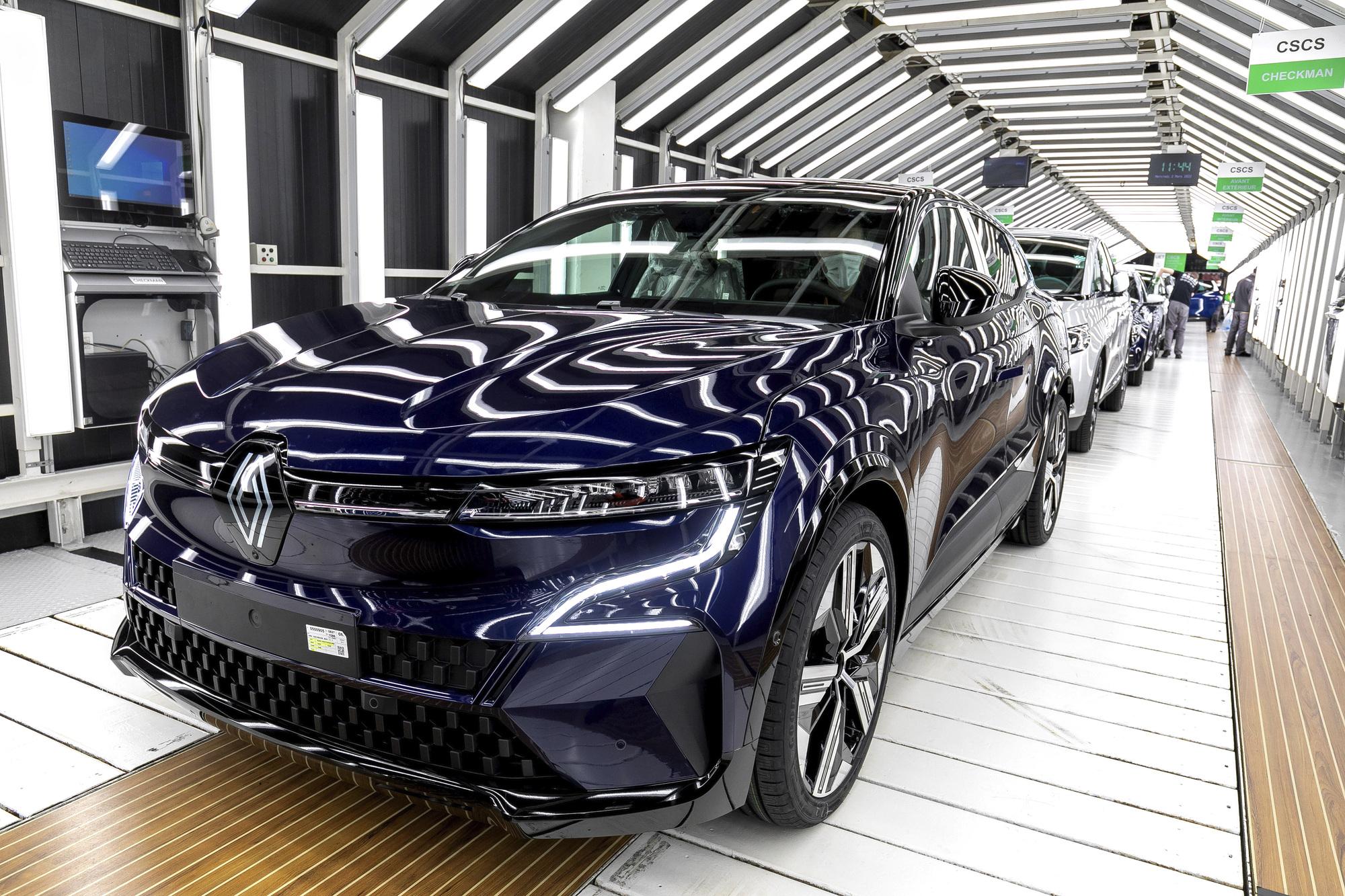
Renault Korea Motors, Renault S.A.'s South Korean division, unveils a strategic shift towards gasoline hybrid models while setting sights on an all-electric horizon to rejuvenate sales and cater to evolving consumer demands.
Currently, Renault Korea offers the hybrid electric version of the XM3 compact SUV as its sole gasoline hybrid model. In addition to this, the company presents three gasoline-powered vehicles, including the XM3, QM6 SUV, and SM6 midsize sedan.
As part of their efforts to expand the lineup, Renault Korea's CEO, Stephane Deblaise, revealed plans to introduce a midsized gasoline hybrid SUV in the second half of next year under the Aurora 1 project, primarily focused on developing gasoline hybrid models.
While the immediate priority for Renault Korea is to introduce gasoline hybrid cars, the company also expressed its capability to produce all-electric vehicles, provided they find the right solutions for battery electric vehicles (BEVs). In this regard, Renault Korea remains open to partnerships with Korean companies specialized in car battery manufacturing, such as LG Energy Solution, SK On, and Samsung SDI Co.
Renault Korea initiated a joint project with Geely Automobile Holdings, China's prominent privately owned automotive group, to develop a new gasoline hybrid SUV. This SUV will be built on the compact modular architecture (CMA) platform, which Geely and Volvo Cars jointly developed at Sweden's Chinese carmaker's research and development center.
Furthermore, Renault Group's strategic collaboration with Geely Holding Group aims to introduce all-new fuel-efficient hybrid electric vehicles (HEVs) and internal combustion engine models specifically tailored to the Korean and international markets. However, no plans exist to include gasoline hybrid versions of the SM6 and QM6 in the current lineup.
In anticipation of the upcoming era of BEVs, Renault Korea is in discussions with the South Korean government regarding the potential manufacturing of BEVs at its Busan plant, located 320 kilometers southeast of Seoul. Such a move would position Renault Korea well to tap into the growing demand for electric vehicles.
Renault Korea experienced a 25% decline in sales from January to July, with weak demand for its models being the primary contributing factor.
Photo: Renault Group Newsroom







