


 SpaceX Nasdaq 100 Weight to More Than Double in Rebalance
  LVMH-Hermès Dispute Deepens Over Secret 2002 Share Deal
  Telix to Acquire Germany’s ITM in $1.65 Billion Radiopharma Deal
  fnny Beta Launches With a Simple Idea: Find an Event, Show Up, Get Rewarded
  France Urges Faster AI Push Despite Safety Risks
  Apple Pay Set for India Launch With Axis Bank
  US Federal Register Drops Alibaba Qwen AI Search Tool
  Paramount-Warner Bros $110 Billion Deal Draws Antitrust Backlash
  Qualcomm Gains on $60B Amazon AI Chip Deal
  Petrobras Joins Brazil Diesel Subsidy Program
  Meta CEO Zuckerberg Backs Independent AI Safety Reviews Over Development Slowdown
  US Northeast Airports Resume Operations After Telecom Outage Disrupts Thousands of Flights
  Prysmian, Rio Tinto Supply Low-Carbon Cables for Amazon Ohio Data Center
  Supertanker Orders Surge as US-Iran War Reshapes Oil Trade
  MediaTek Unveils 2nm Dimensity 9600 Pro AI Chip
  NASA, Boeing Discuss Expanding Starliner Missions
  Hyundai CEO Warns Chinese Automakers Could Disrupt US Market


 Add as a preferred source on Google
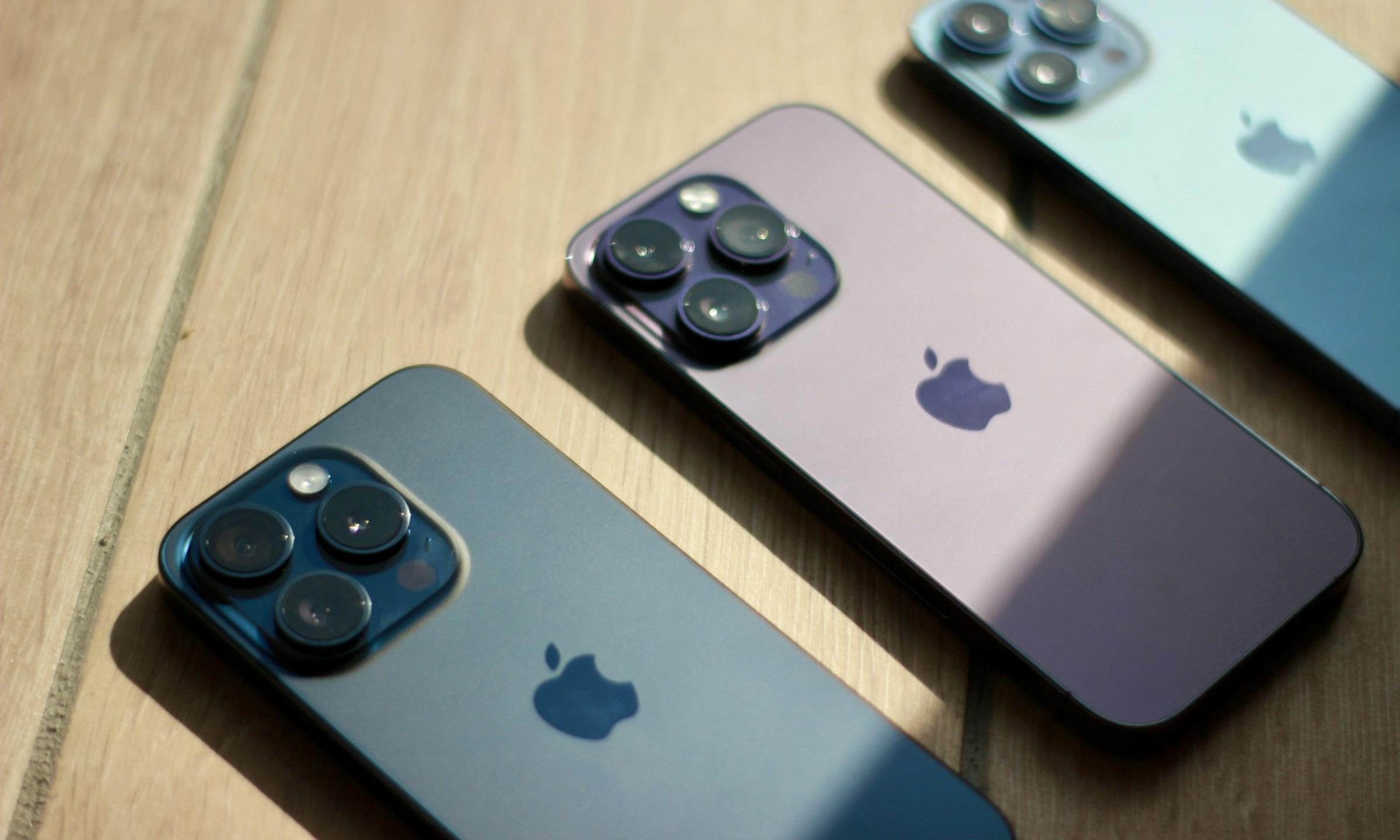
Microsoft will provide Apple iPhones to its employees in China due to security concerns and the absence of Google services following a recent Russian hack.
Security Concerns Drive Shift to Apple iPhones
A representative for Microsoft stated on Monday that the company plans to provide its employees in China with Apple's iOS-based smartphones in order to access authentication applications. The spokesperson cited the absence of Google's Android services in the country as the reason for this decision.
A number of security breaches have occurred at Microsoft, the most recent of which was caused by Russian hackers who spied on and accessed the emails of the company's employees and customers earlier this year. As a result, Microsoft has been subjected to a substantial amount of scrutiny.
As reported by Bloomberg News, which cited an internal memo, the Windows operating system manufacturer directed its staff in China to use Apple devices at their place of employment beginning in September. This was the first time that the development was disclosed.
Google's Absence in China Restricts Security Access
Based on the article, the decision to switch to iOS devices was made as part of Microsoft's global Secure Future Initiative. This decision was made since the Google Play Store is not available in China, which restricts the access that employees have to security applications like Microsoft Authenticator and Identity Pass.
"We look to offer employees a means of accessing these required apps, such as an iOS device," a business representative said in an email to Reuters. "due to the lack of availability of Google Mobile Services in this region."
Microsoft's Longstanding Presence in China
U.S. corporations that have a significant presence in China include Microsoft, which is one such company. 1992 marked the year that it made its debut in the Chinese market, and it maintains a sizable research and development department within the country.
According to a report by Bloomberg, the corporation would distribute iPhone 15 devices to its staff, who are now using Android handsets across China, including in Hong Kong.







