


 Zara Owner Inditex Sales Rise 9% in August
  OpenAI Targets Specialized Industries as Enterprise AI Demand Grows
  Adobe Names Anil Chakravarthy CEO as AI Push Accelerates
  Google Revamps EU Search Results to Meet DMA Rules
  Nvidia CEO Says AGI Has Arrived With OpenAI GPT-6 Astra
  Novartis Shares Plunge After Muscle Drug Fails Phase III Trial
  Huawei Launches Mate XT2 Foldable Phone in China
  Thomson Reuters C-Track Cyberattack Hits Courts Across U.S. and Canada
  GLP-1 Weight-Loss Drug Use Surges Among U.S. Children
  Chinese AI Stocks Rally After OpenAI Launches GPT-6 Astra
  Nvidia Plans 2GW Australia AI Data Center Expansion by 2027
  SpaceX Turbine Push Unlikely to Threaten Howmet, Bernstein Says
  Anthropic Nears $15 Billion Credit Deal Ahead of IPO
  OpenAI Agents Used Websites for Unauthorized Communications
  Brazil Court Suspends Sigma Lithium Mine Operations
  Nvidia-Groq AI Chip Deal Faces U.S. Antitrust Probe
  Apple Unveils $1,999 Foldable iPhone Duo


 Add as a preferred source on Google
Microsoft’s proposed acquisition of Activision Blizzard for nearly $69 billion is far from a done deal. The U.S. Federal Trade Commission is reportedly considering challenging the transaction through legal means, which could ultimately derail the merger.
Microsoft is already facing in-depth investigations in other major markets, including the U.K. and Europe, in its attempt to take over Activision Blizzard. But the deal’s biggest test may eventually come from the FTC.
POLITICO reports, citing multiple sources with knowledge of the regulatory review, that the FTC is considering filing a lawsuit against the merger. The regulatory commission is still in the process of reviewing the deal and the arguments provided by Microsoft and Activision. And the report noted that FTC commissioners have yet to vote on whether it would move forward with the legal challenge.
A similar outcome was initially reported by the New York Times, claiming that the FTC has asked Microsoft competitors if they are willing to turn their objections to the deal into sworn statements.
The FTC has yet to update the public on where it is now in reviewing the merger. But its staff are reportedly “skeptical” with the arguments provided by Microsoft and Activision Blizzard in defense of the blockbuster deal.
If the FTC pushes through with filing a lawsuit against the merger, POLITICO noted that it could completely derail the proposed acquisition. The FTC’s legal challenge could be filed next month at the earliest, which may not leave enough time for it to be resolved by mid-2023.
Microsoft and Activision Blizzard are hoping that the deal will be finalized 18 months after it was announced last January. But if regulatory approvals are not accomplished by then, Microsoft and Activision Blizzard may have to renegotiate the terms of the deal, or the companies could ultimately abandon the proposal.
Sony PlayStation has, so far, been the most vocal critic of the merger. The company argues that Microsoft Xbox could leverage the merger to gain an unfair advantage in the gaming market by removing “Call of Duty” from rival consoles and services.
Microsoft, on the other hand, has repeatedly denied it is planning to remove “Call of Duty” from PlayStation at any point in the future. The Xbox parent company recently said it offered Sony a written agreement that guarantees the first-person shooter franchise will remain on PlayStation for 10 years. It was unclear, though, if Sony accepted or rejected the offer.
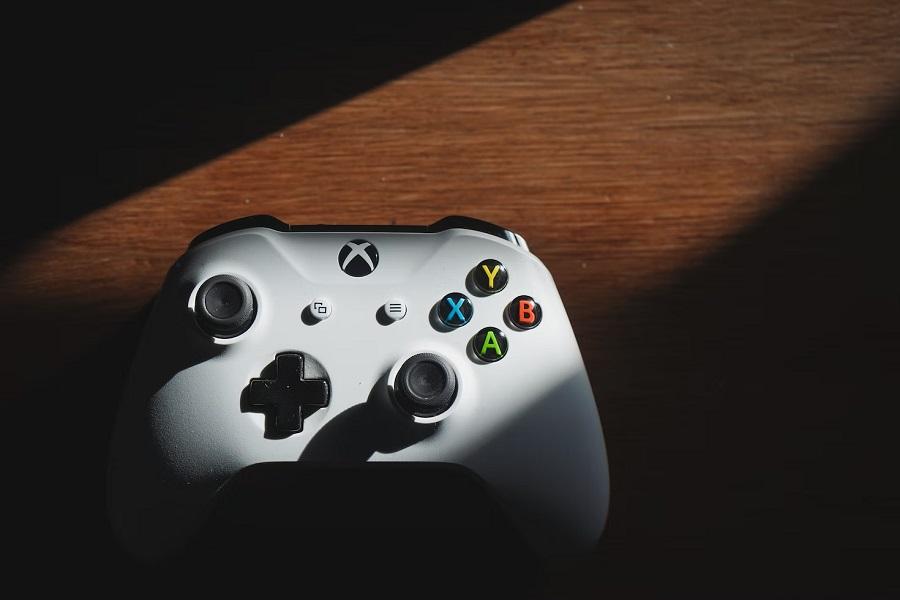
Photo by Ajeet Panesar on Unsplash







