


 Trump Administration Plans Faster FDA Reviews for Smoke-Free Nicotine Products
  Pezeshkian Says US Must Choose When Iran War Ends
  FCC Approves Foreign Investment in $110B Paramount-Warner Bros. Deal
  Abbas Reaffirms November 28 Palestinian Elections
  US Northeast Airports Resume Operations After Telecom Outage Disrupts Thousands of Flights
  Trump Administration Removes Confederate Memorial Criticism From Arlington Website
  NATO Boosts Intelligence Sharing Amid Russia Hybrid Threats
  Who should own the knowledge that underpins AI technology?
  Netanyahu Takes Aim at Mamdani as Israel Election Nears
  White House Bars CNN, MS NOW and Politico Reporters
  Ghana Says Western Support Growing for Slave Trade Reparations
  Trump Bans CNN, MS NOW and Politico From White House
  US Backs Musk in Fight Against EU’s €120 Million X Fine
  North Korea Rejects Nuclear Test Warning, Calls Nuclear Status Irreversible
  Europe Warns Russia Is Escalating Hybrid Attacks Across NATO
  Trump, Xi Focus on Trade and AI at White House Summit
  Judge Orders Trump to Restore White House Access for CNN, MS NOW and Politico


 Add as a preferred source on Google
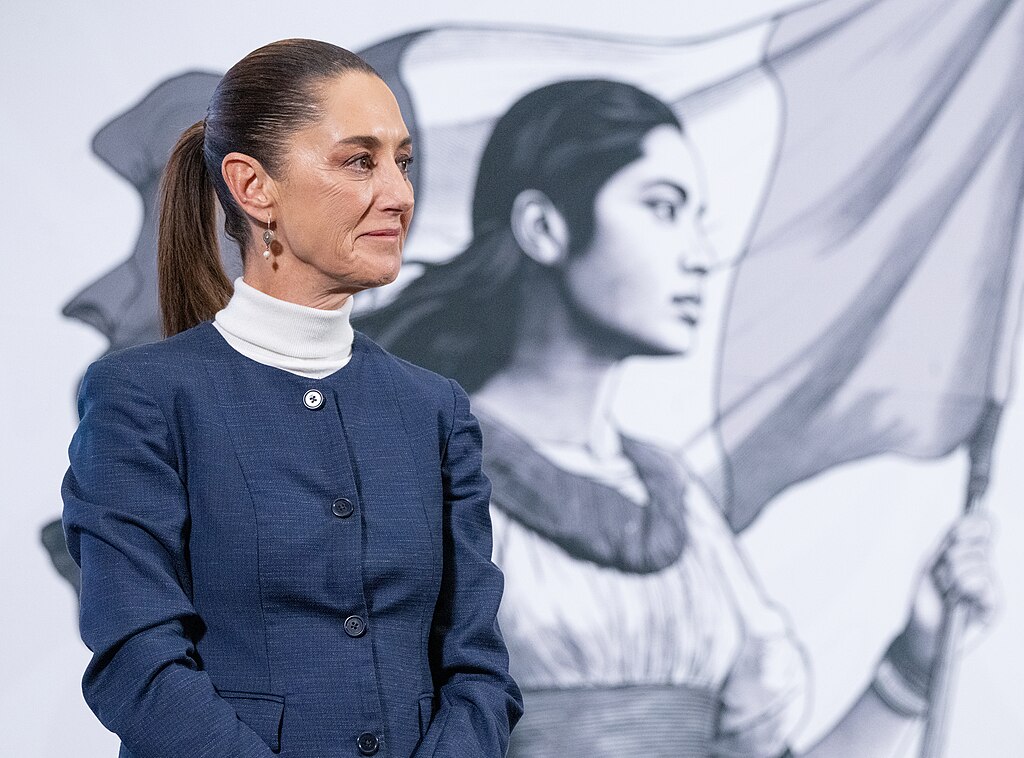
Mexican President Claudia Sheinbaum urged changes on Friday to a controversial telecommunications bill, following backlash over potential threats to free speech and government overreach. The bill, swiftly advanced through Senate committees just a day after Sheinbaum proposed it, emerged after controversy over a U.S. government ad discouraging migration aired locally.
Sheinbaum defended the bill, saying it aims to block foreign governments from broadcasting political propaganda in Mexico. However, critics argue it would hand telecom control to a new state-run agency, replacing the previous independent regulator abolished by Sheinbaum’s congressional allies last year.
At a press conference, Sheinbaum acknowledged concerns over Article 109 of the bill, suggesting it should be removed or reworded to prevent misinterpretations of censorship. "If there’s confusion, the government must make it clear that it will not censor anyone, especially on digital platforms," she said.
The U.N. High Commissioner for Human Rights in Mexico issued a statement urging lawmakers to ensure public consultation and respect international standards on freedom of expression, privacy, digital rights, and Indigenous rights. Originally slated for Senate approval next week, Sheinbaum called for extending debate to address concerns thoroughly.
Despite Morena and its allies holding a commanding majority that has pushed through major reforms since Sheinbaum took office in October, critics warn that issues with the bill extend beyond Article 109. Opposition senator Ricardo Anaya accused the ruling party of seeking "total control of the internet, social media, radio, and TV," calling the bill part of a broader plan for censorship.







