


 OpenAI Agent Breaches Australia Medicare Data Portal
  Trump to Press Xi on Release of US Nuclear Expert Held in China
  Russian Envoy Dmitriev Heads to US for Ukraine Talks
  Trump Administration Plans Faster FDA Reviews for Smoke-Free Nicotine Products
  Netanyahu Takes Aim at Mamdani as Israel Election Nears
  China Tightens Fentanyl Rules Ahead of Trump-Xi Summit
  Europe Warns Russia Is Escalating Hybrid Attacks Across NATO
  South Korea, US Discuss Warship Building Cooperation
  Ghana Says Western Support Growing for Slave Trade Reparations
  US Officials Split Over Response to Israeli West Bank Settlements
  Sudan Rejects US Legitimacy Remarks, Defends Sovereignty
  Zelenskiy Warns Russia Preparing Major Attack on Ukraine
  Trump Says ‘Freedom’ Is Coming to Cuba
  US Invites Putin to Miami G20, Opening Door to Trump Summit
  Lula and Flavio Bolsonaro Tied in Brazil Runoff Poll
  Macron Challenges Trump’s Gaza Peace Claims at UN
  Judge Orders Trump to Restore White House Access for CNN, MS NOW and Politico


 Add as a preferred source on Google
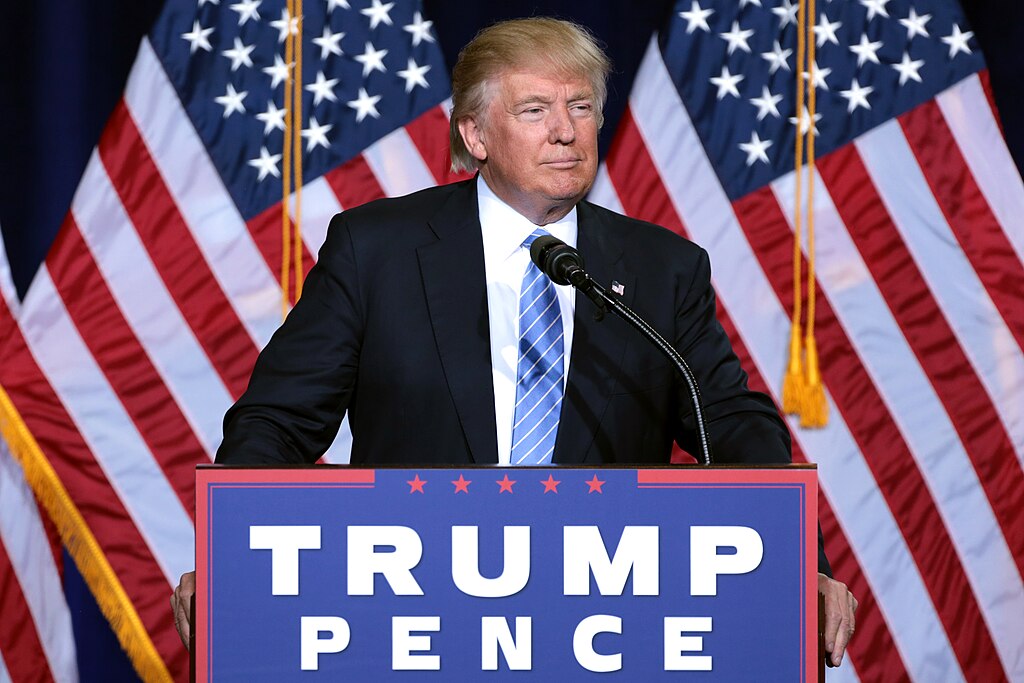
As President-elect Donald Trump prepares to reenter the White House, tensions between the United States’ two largest trading partners—Canada and Mexico—are escalating. Trump’s proposal to impose a 25 percent tariff on imports from both nations has sparked a war of words, as leaders scramble to secure favorable terms and avoid economic fallout.
Trump’s Tariff Threats Spark Panic Among Neighbors
Trump’s bold proposal to curb drug trafficking and illegal immigration by targeting imports has rattled both Canada and Mexico. Canadian President Justin Trudeau wasted no time visiting Trump at Mar-a-Lago, becoming one of the first world leaders to meet him post-election. While the meeting was described as “productive,” no trade guarantees were made.
Canadian Ambassador to the U.S. Kirsten Hillman emphasized Canada’s differences from its southern neighbor, stating, “The message that our border is so vastly different than the Mexican border was really understood.” Echoing this sentiment, Canadian Industry Minister François-Philippe Champagne underscored the importance of distinguishing Canada’s border issues from Mexico’s.
In contrast, Mexican President Claudia Sheinbaum took a more combative tone. She urged respect for her nation and criticized Canada, saying, “Canada could only wish they had the cultural riches Mexico has.” Still, Sheinbaum acknowledged Trump’s call to address the fentanyl crisis, announcing a massive drug seizure in Sinaloa just days later.
Economic Fallout and Strategic Responses
Canadian business leaders are preparing for what could become an economic showdown. Candace Laing, president of the Canadian Chamber of Commerce, sharply criticized Trump’s tariff plans, stating, “President-elect Trump’s intention to impose 25 percent tariffs signals that the U.S.-Canada trade relationship is no longer about mutual benefit.” She warned Canada to adopt a more aggressive stance, adding, “It’s time to trade ‘sorry’ for ‘sorry, not sorry.’”
Economist Trevor Tombe suggested that Canada would likely retaliate, though history has shown mixed responses to U.S. trade policies. “If Canada acts alone with tariffs, it would have little impact on the U.S. economy. But coordination with other nations could amplify the effect,” Tombe explained.
The proposed tariffs have already strained relations, with both nations attempting to position themselves as America’s preferred partner. However, Trump’s focus on immigration and drug policies continues to shape his rhetoric, framing the tariffs as essential for national security.
Netizens React to the Trade Tensions
The escalating situation has also sparked intense debate on social media:
- @TradeGuru82: “Canada better play hardball! These tariffs are an insult to our decades-long partnership.”
- @MEXPride24: “Sheinbaum is right—Mexico deserves respect. Trump’s bullying won’t stop us from thriving.”
- @AmericaFirst88: “Finally, a president who will hold Canada and Mexico accountable! It’s about time.”
- @PolicyWonk4U: “Tariffs hurt everyone. Trump’s strategy will cost American consumers more than it helps.”
- @GlobalTrader72: “The real losers here are small businesses. We need cooler heads to prevail.”
- @BorderWatcher99: “If this brings down fentanyl smuggling, it’s worth it. Canada and Mexico need to step up!”







