


 OpenAI Launches GPT-6 Astra With Advanced AI Agent Capabilities
  US Tech Giants’ AI Bond Boom Raises Euro Zone Borrowing Risks
  SEC Seeks ISS Client Voting Records in Proxy Adviser Probe
  Berkshire Hathaway Eyes Bigger Stakes in Japan’s Top Trading Houses
 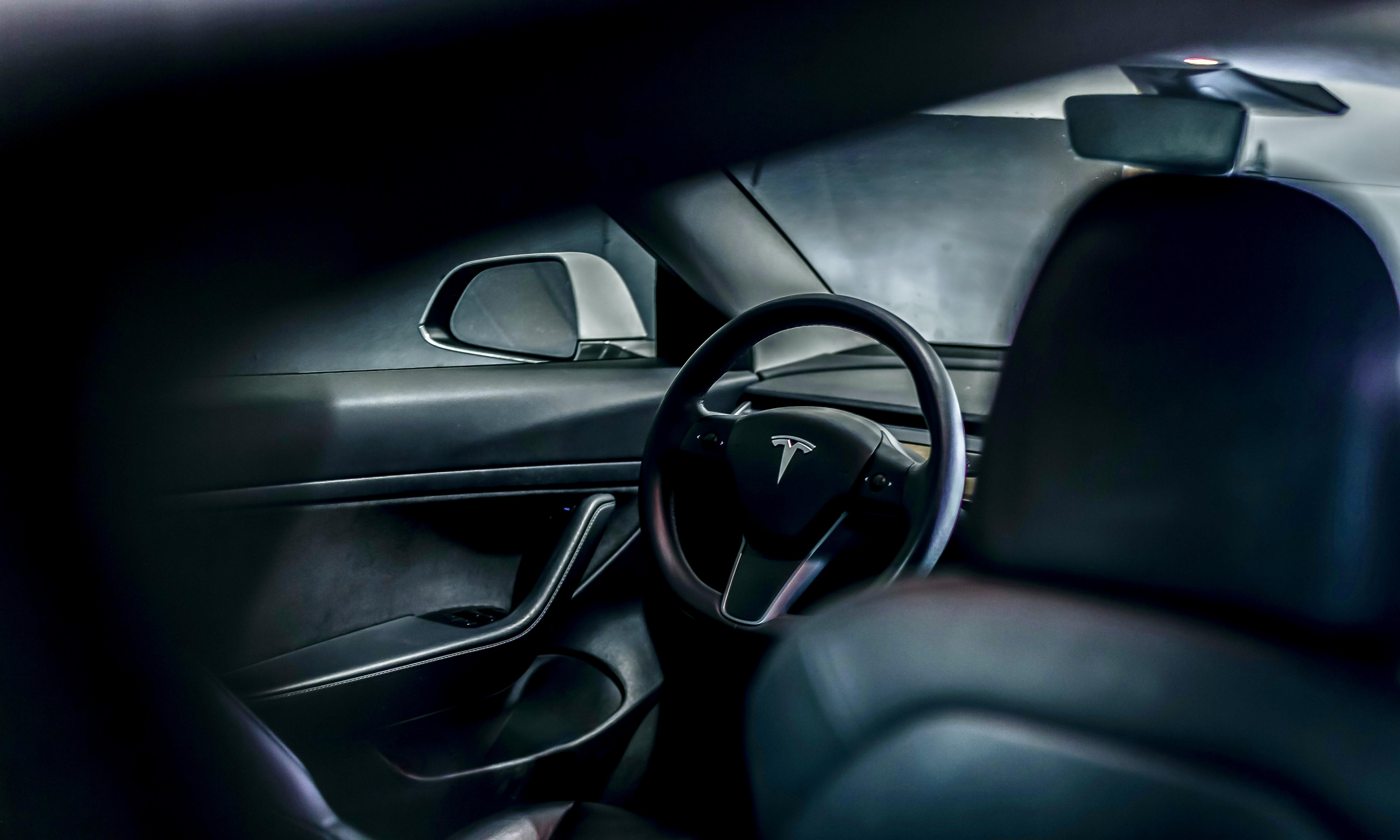 Tesla Cybercab Launch Puts Robotaxi Ambitions in Focus
  Nvidia Eyes $2.5 Billion Investment in Thinking Machines Lab
  Qantas Near-Miss Raises Sydney Air Traffic Controller Fatigue Concerns
  Milei Threatens Falkland Oil Firms With Sanctions
  Anthropic Nears $15 Billion Credit Deal Ahead of IPO
  Tesla Cybercab Rides Launch in Austin as NHTSA Reviews Rollout
  GSM Eyes US, Europe Expansion Ahead of 2028 Hong Kong IPO
  Thomson Reuters C-Track Cyberattack Hits Courts Across U.S. and Canada
  Lenovo Shares Fall After Dropbox Security Breach Exposes ID Vulnerability
  Volkswagen Approves 50,000 More Job Cuts in Major Restructuring
  BP Names Ian Tyler Permanent Chairman After Governance Shake-Up
  South Korea, US Discuss Chip Investments Amid Tariff Plans
  Honda Targets $9.4 Billion in Cost Cuts as China EV Competition Intensifies


 Add as a preferred source on Google

Mercedes-Benz anticipates decreased returns on sales from its cars and vans division this year. This is due to heightened uncertainty driven by conflicts in the Middle East and Ukraine and tensions between China and the U.S.
Supply Chain Challenges and Economic Slowdown Pose Risks
The luxury car manufacturer highlights supply chain bottlenecks as a significant risk factor and the potential for a more pronounced economic growth slowdown that could impact automotive markets, especially in the first quarter.
Reuters reported that the carmaker's adjusted return on sales for 2023 in its car division stood at 12.6%, meeting expectations but facing challenges from inflation, supply chain costs, and component shortages that affected profits.
Mercedes-Benz expects a decline in adjusted returns for 2024, projecting figures of 10-12% for cars and 12-14% for vans, a drop from the previous year's 15.1%. Supply constraints and inflation will likely impact sales throughout the year, particularly with competitive pricing dynamics in the electric vehicle market.
Group earnings before interest and taxes for Mercedes-Benz decreased to 19.7 billion euros in the face of rising costs despite a 2% revenue increase, positioning the luxury automaker as a leader in navigating challenges within the evolving automotive landscape.
Focus on Electrified Vehicles and Future Sales Projections
The company, positioning itself for an all-electric future by 2030, maintained its strategy of passing increased costs to consumers while increasing investments in research and development for technologies like the MB.OS platform.
According to Market Screener, Mercedes-Benz projects that electrified vehicle sales, including hybrids, will continue to represent approximately 19-21% of total sales. The company aims for up to 50% of sales to come from electrified cars by the end of the decade, despite acknowledging the importance of plug-in hybrids in the interim.
As the automotive industry continues to evolve and adapt to new technologies and changing consumer demands, it is clear that electrified vehicles will play a crucial role in the future of the market. Mercedes-Benz's projections for increased sales of electrified cars demonstrate their commitment to staying at the forefront of this shift.
Photo: Victor Sutty/Unsplash







