


 Samsung Electronics Posts Eightfold Profit Surge Driven by AI Chip Demand
  Apple's Foldable iPhone Faces Engineering Setbacks, Mass Production Timeline at Risk
  Nanya Technology Shares Surge 10% After $2.5 Billion Private Placement from Sandisk and Cisco
  Microsoft's $10 Billion Japan Investment: AI Infrastructure and Data Sovereignty Push
  Federal Judge Blocks Pentagon's Blacklisting of AI Company Anthropic
  California's AI Executive Order Pushes Responsible Tech Use in State Contracts
  Australia's Social Media Ban for Under-16s Sparks Global Movement
  Annie Altman Amends Sexual Abuse Lawsuit Against OpenAI CEO Sam Altman
  SpaceX Eyes Historic IPO at $1.75 Trillion Valuation
  Google's TurboQuant Algorithm Sends Memory Chip Stocks Tumbling
  NASA's Artemis II Crew Arrives in Florida for Historic Moon Mission
  Chinese Universities with PLA Ties Found Purchasing Restricted U.S. AI Chips Through Super Micro Servers
  Microsoft Eyes $7B Texas Energy Deal to Power AI Data Centers
  OpenAI Executive Shake-Up Ahead of Anticipated 2026 IPO
  Britain Courts Anthropic Amid US Defense Department Dispute
  Elon Musk Ties SpaceX IPO Access to Mandatory Grok AI Subscriptions
  MATCH Act Targets ASML and Chinese Chipmakers in New U.S. Export Crackdown


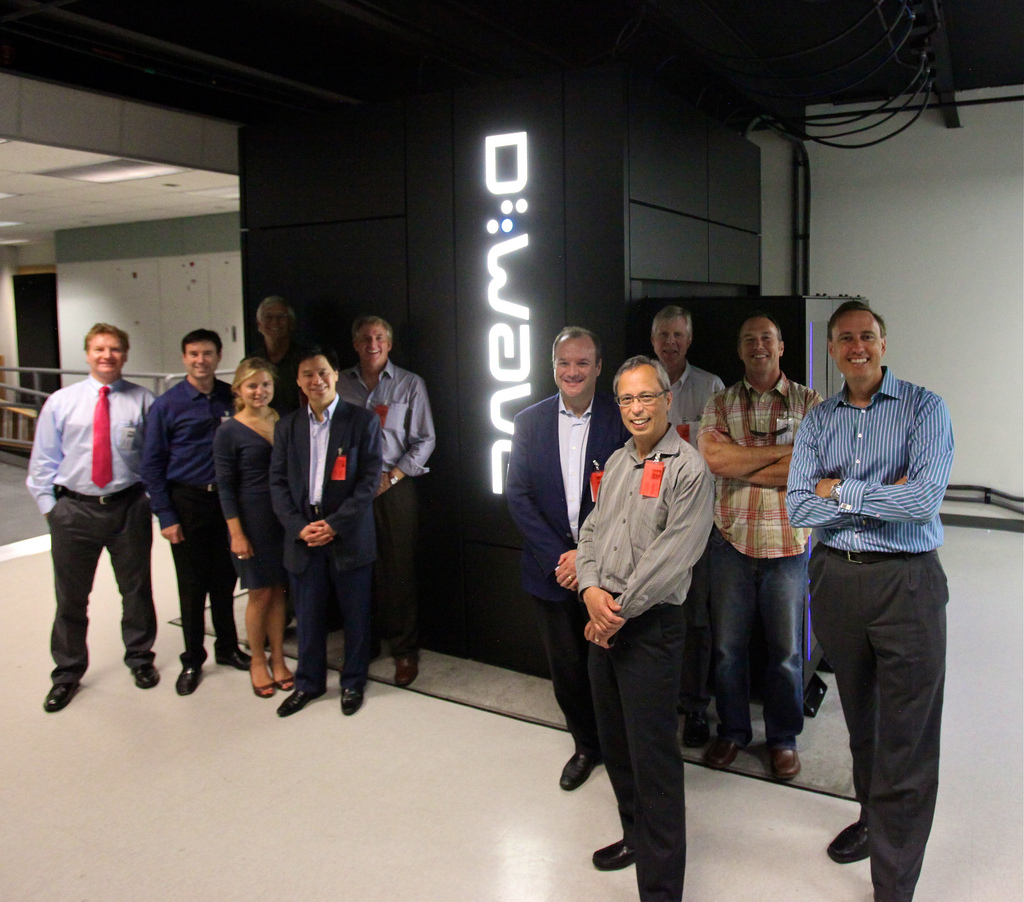
Quantum computers are often seen as the future of technology, where everything is propelled by the ability to process information several thousand times faster than what today’s machines are capable of. D-Wave is one of the few companies in the world that is working on creating a quantum computer, but it’s the only one to have succeeded in creating a commercially viable one. Its latest offer is called the D-Wave 2000Q and it costs $15 million.
The 2000Q is actually the second quantum computer that D-Wave managed to sell, with its previous one called the 2X being used by NASA, Google, and the Los Alamos National Laboratory, PC World reports. Possessing 1,000 Qubits, the 2X still holds a place as one of the most powerful computers in the world. At 2,000 Qubits, however, the 2000Q blows it right out of the water.
A difference in 1,000 Qubits might not seem much, but it actually makes be 2000Q thousands of times more powerful than the 2X, which in turn was thousands of times more powerful than most conventional computers. Temporal Defense Systems (TDS) will be among the first to get access to this cosmic level of computing power and it will be used to deal with threats to cyber security.
In a blog post by the company, TDS CTO James Burrell noted how 2000Q will help significantly improve their ability to deal with threats from hackers. TDS will combine the considerable processing capabilities of the quantum computer with their own technology to crank up security.
“The combined power of the TDS / D-Wave quantum cyber solution will revolutionize secure communications, protect against insider threats, and assist in the identification of cyber adversaries and attack patterns,” Burrell said. "Combining the unique computational capabilities of a quantum computer with the most advanced cyber security technologies will deliver the highest level of security, focused on both prevention and attribution of cyber-attacks."







