


 Goldman Sachs Eyes Investors for Nvidia’s $500 Billion AI Financing Plan
  US Judge Dismisses Gautam Adani Criminal Charges
  Samsung, SK Hynix Shares Surge on Report of Potential Temasek Investment
  US Supreme Court Lets $655.5 Million Judgment Against Palestinian Authorities Stand During Appeal
  Appeals Court Rejects Trump Bid to Reinstate $100,000 H-1B Visa Fee
  Bashar al-Assad Sentenced to Death by Syrian Court
  SpaceX Shares Surge as Wall Street Backs AI Growth Potential
  Bank of America to Buy Up to 49.9% Stake in Jio Credit for $1.92 Billion
  EEOC Drops Penn Subpoena in Antisemitism Probe, Investigation Continues
  AI Avatar of Jair Bolsonaro Sparks Legal Battle Ahead of Brazil’s 2026 Presidential Election
  Maduro, U.S. Prosecutors Propose June 2027 Trial Date in Drug Trafficking Case
  ANZ Home Loan Applications Drop 12% After Australia Property Tax Changes
  U.S. Unseals Charges Against Five Alleged CJNG Leaders, Raises Reward for New Cartel Chief
  Bernstein Picks BYD and Xiaomi as Top China EV Stocks Despite Weaker Demand
  ASX Faces Legal Action Over Failed Blockchain CHESS Project
  Apple Develops China-Specific AI Model With Alibaba as Apple Intelligence Launch Nears
  DOJ Rescinds Anti-Weaponization Fund Ahead of Todd Blanche Senate Confirmation Vote


 Add as a preferred source on Google
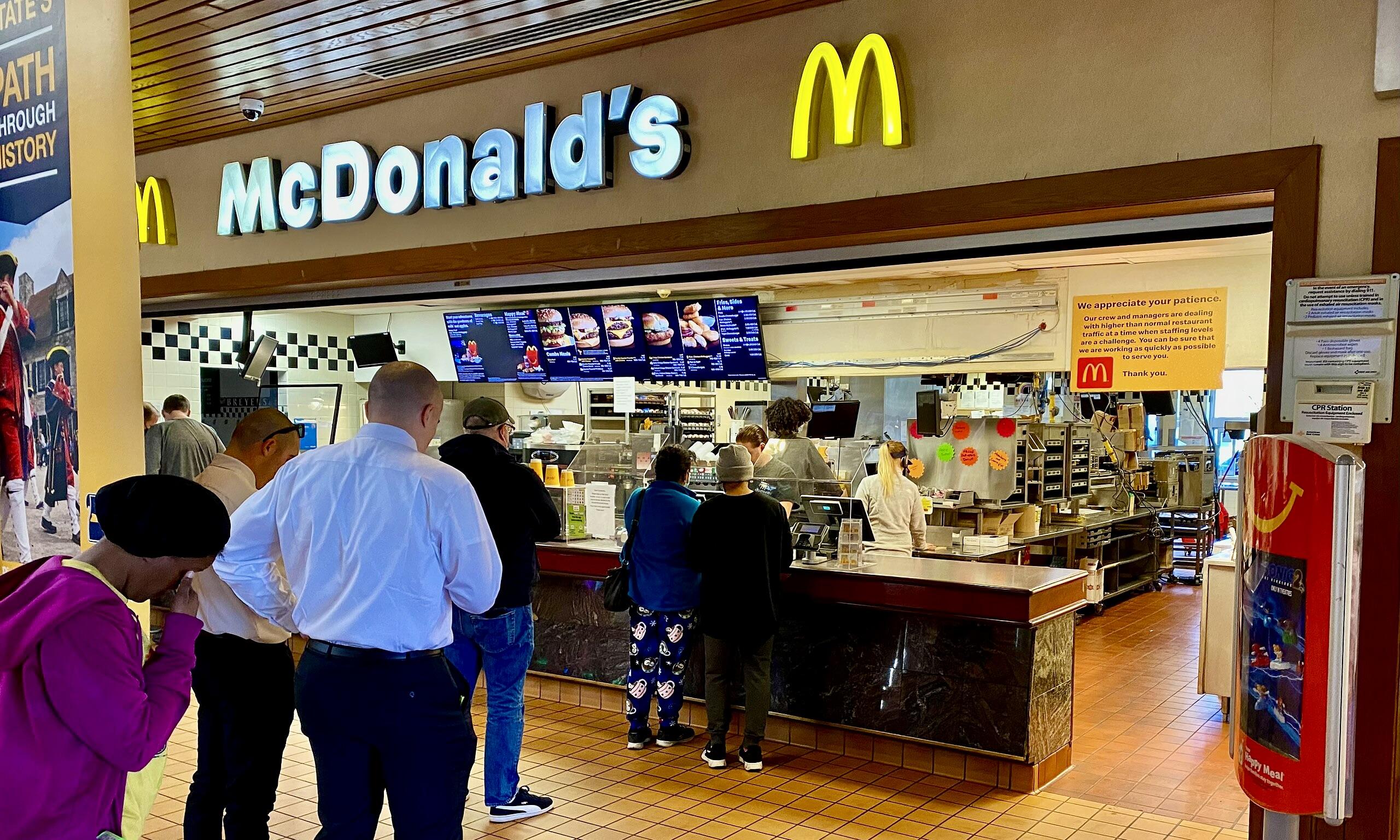
McDonald's has requested a hearing from the U.S. Supreme Court to establish whether franchises can enforce rules against hiring employees from other franchisors within the same chain. The company submitted the appeal on November 21, signaling its intent to address this contentious issue.
It's noteworthy that McDonald's, the global fast-food giant with over 2 million workers across approximately 40,000 franchised restaurants, recently discontinued its no-poach rule in franchise agreements.
Federal Courts Weigh In
In a pivotal case with significant implications for the franchise industry, McDonald's franchise operators were previously bound by a no-poach clause. This agreement prevented hiring another franchisor's employees or those employed directly by McDonald's within six months following the employee's departure from either entity. Additionally, franchisees were prohibited from soliciting employees from other franchises under a separate clause.
The legal battle surrounding these no-poach agreements has gone through the federal court system. In June 2022, a federal district court rejected employees' argument that the no-poach rule violated the Sherman Antitrust Act. However, in a significant turn of events, the 7th U.S. Circuit Court of Appeals determined that the lower court had prematurely dismissed the case in August 2023. The judgment was vacated, and the case was remanded for further proceedings.
SHRM reported that the 7th Circuit's decision raises the bar on proving the ancillary nature of such restraints, making it more challenging for companies to defend their usage. Although the court did not explicitly declare McDonald's no-hire provisions as non-ancillary restraints, a comprehensive economic analysis must now be conducted to establish their qualification as such, as per Restaurant Dive.
One notable instance that propelled the no-poach issue into the spotlight occurred in 2017 when a McDonald's manager filed a class-action antitrust suit against the corporation. She detailed how restrictive anti-poaching agreements prohibited her from accepting a higher-paid job at another McDonald's franchise. McDonald's has claimed that these agreements were crucial for preventing the loss of training costs, maintaining consistency and quality, and curbing the poaching of employees by franchisees.
Implications for HR Professionals
The U.S. Department of Justice showcased their emphasis on this matter with the release of guidance for HR professionals in 2016. Within this document, the agency dedicated nine mentions to no-poach agreements, signaling its prioritization of addressing this concern. The forthcoming Supreme Court decision will likely bring HR practices around no-poach agreements under greater scrutiny and clarify their legality.








