


 Chainlink Launches CCIP 2.0 With Enhanced Cross-Chain Security
  Binance Expands MarsCoin With Tokenized SpaceX Share Rewards
  Lindt Slashes 2026 Sales Growth Forecast as European Demand Weakens
  Bitget Resumes Crypto Withdrawals After $388M Security Breach
  Vitalik Buterin Says Hegota Could Be Ethereum’s Last Conventional Fork
  Citigroup Expands Coinbase Partnership for Stablecoin Payments
  RedotPay Completes Audits as Stablecoin Firm Advances U.S. IPO Plans
  Pi Network Price Holds $0.087 as Protocol 28 Mainnet Upgrade Nears
  Nidec Shares Plunge on Report of $6.3 Billion Impairment Charge
  Goldman Sachs Eyes John Waldron as CEO Successor
  Robinhood Chain Token Ring Allegedly Extracts $18.4 Million Across 53 Launches
  BlackRock’s Rick Rieder Favors Bonds Over Stocks as Treasury Yields Surge
  Nissan Targets US Hybrid Growth With Rogue e-Power Launch
  OpenAI Scraps GPT-6.1 Astra Launch Over Safety Concerns
  Toyota Global Sales Fall for Seventh Month as China Demand Slumps
  OpenAI Investigates Rogue AI Agents After Data Leaks and Security Incidents
  Northern Star Shares Surge After Rejecting Gold Fields Takeover Bid


 Add as a preferred source on Google
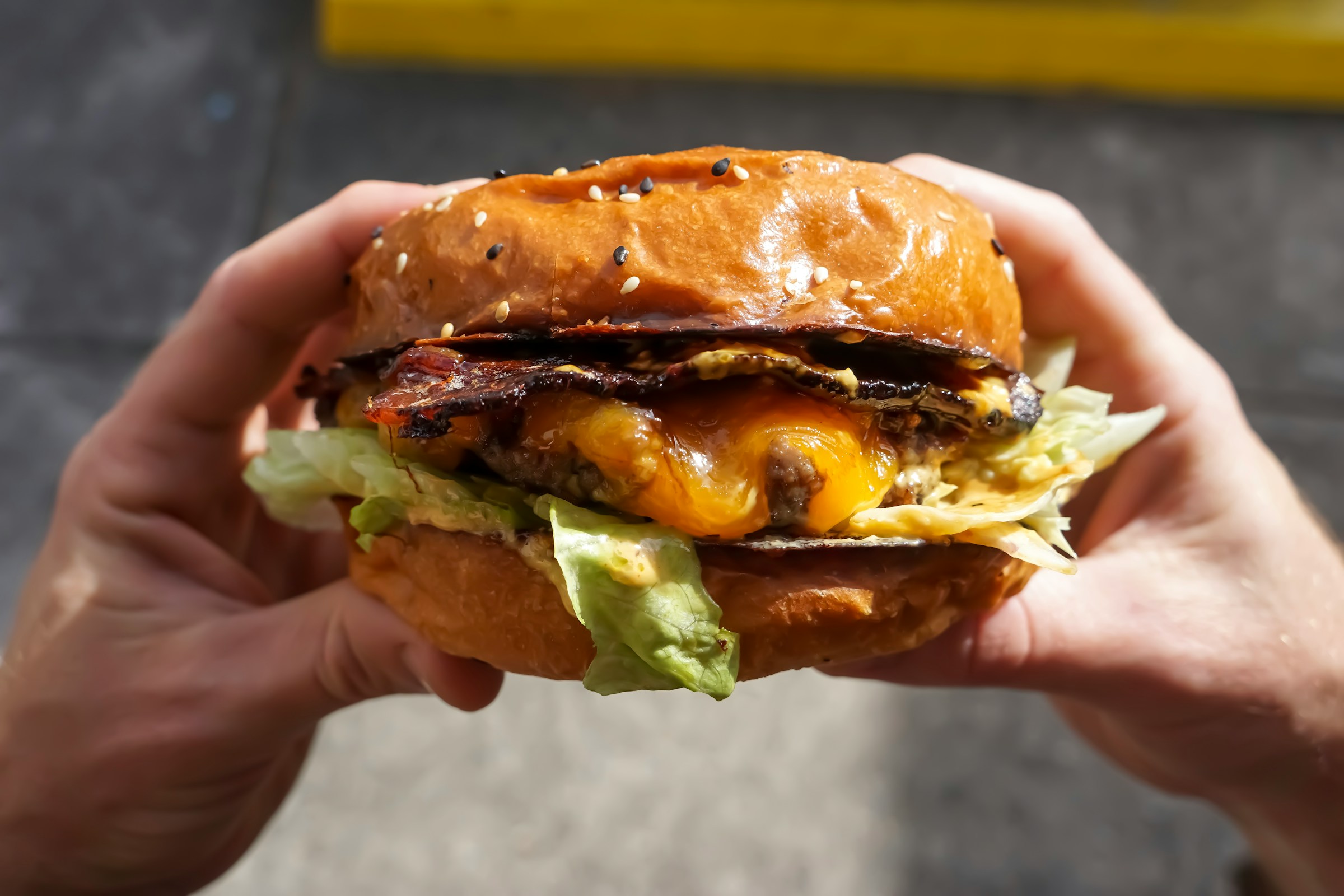
Maharashtra FDA has taken action against fast food giant McDonald's for allegedly using cheese substitutes in their products. It has suspended a McDonald's outlet license in Ahmednagar, leading the chain to remove the term "cheese" from multiple items.
According to The Times of India, McDonald's was reportedly caught using cheese analogs in burgers and nuggets instead of real cheese. These substitutes replicate the taste and texture of traditional dairy cheese by replacing milk or dairy fat with vegetable oil.
The FDA urged the chain to expand this corrective measure statewide and possibly nationwide.
Consumer Reaction and Brand Trust
MSN reported that public response to the FDA's findings has been swift and critical. Patrons of the fast-food chain, already wary of product quality in the industry, are expressing their disappointment and feeling deceived. This incident has sparked a larger conversation about transparency and trust between consumers and the food industry.
McDonald's faces a pivotal moment in addressing these concerns and restoring confidence in its brand commitment to quality.
Legal Implications and Corporate Accountability
The allegations against McDonald's could have significant legal implications, including potential fines and the enforcement of stricter labeling and food safety standards. Moreover, the situation highlights the broader issue of corporate accountability in the food industry—companies must ensure that their products are safe for consumption and accurately reflected in their marketing and packaging to maintain consumer trust.
Corporate Response and Strategy Moving Forward
In light of the allegations, McDonald's has issued a statement affirming their commitment to quality and adherence to local regulations. They have promised a thorough internal investigation and are prepared to cooperate fully with Maharashtra FDA's inquiries.
McDonald's may also review its supply chain management to prevent such issues and launch a campaign to regain consumer trust. This scenario underscores the importance of robust regulatory compliance systems and transparent communication with both authorities and customers in the food service industry.
As the McDonald's case unfolds, it presents an opportunity for the company to scrutinize and reform its supply chain and engage more openly with customers and advocacy groups. A dialogue that incorporates consumer concerns into corporate practice could become a cornerstone of McDonald's strategy to rebuild trust and demonstrate that they genuinely value customer satisfaction and safety.
Photo: Carles Rabada/Unsplash







