


 6 simple questions to tell if a ‘finfluencer’ is more flash than cash
  Disaster or digital spectacle? The dangers of using floods to create social media content
  Stuck in a creativity slump at work? Here are some surprising ways to get your spark back
  Glastonbury is as popular than ever, but complaints about the lineup reveal its generational challenge
  Time to buy local: war fuel price shocks reveal the folly of a long food supply chain
  Google promotes ‘teacher approved’ apps for kids. Here’s what parents should know
  Every generation thinks they had it the toughest, but for Gen Z, they’re probably right
  The Beauty Beneath the Expressway: A Journey from Self to Service
  Yes, government influences wages – but not just in the way you might think
  Want to cut your energy bills? Here’s how five experts are doing it
  Why financial hardship is more likely if you’re disabled or sick
  Why a ‘rip-off’ degree might be worth the money after all – research study
  Heritage, desire and diplomacy: why China still values scotch whisky
  Why have so few atrocities ever been recognised as genocide?
  Booked to travel through the Middle East? Here’s why you shouldn’t cancel your flight
  Columbia Student Mahmoud Khalil Fights Arrest as Deportation Case Moves to New Jersey


 Add as a preferred source on Google
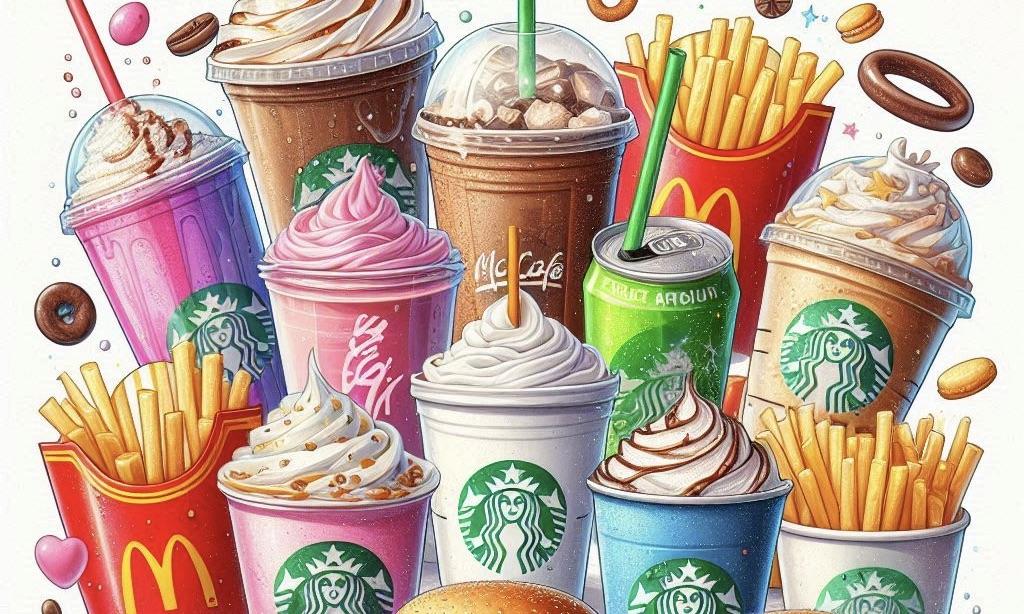
Fast food has become a staple in the diets of millions of people, thanks to its convenience and affordability. However, while it may satisfy cravings, several menu items from popular fast-food chains such as McDonald’s, Burger King, Starbucks, and Dunkin’ contain ingredients that have been linked to potential cancer risks. These concerns stem from both chemical additives and the methods used to cook these foods. Consumers need to be aware of which products may pose health risks and why.
McDonald’s: Processed Meats and Grilled Foods Raise Red Flags
At McDonald’s, one of the main concerns regarding cancer risk revolves around processed meats, such as the Sausage McMuffin with Egg and the Big Mac. Processed meats have been classified as Group 1 carcinogens by the World Health Organization (WHO), meaning there is convincing evidence that these foods can cause cancer. High levels of nitrates and nitrites, which are used to preserve and flavor processed meats, can form carcinogenic compounds when digested.
Additionally, McDonald’s items cooked at high temperatures, such as their Quarter Pounder and Grilled Chicken Sandwich, may contain acrylamide—a chemical compound formed when starchy foods are cooked at high temperatures. Acrylamide has been linked to increased cancer risks in animal studies, although more research is needed to determine its impact on humans.
Burger King: Flame-Grilled and Processed Foods at the Center
Burger King’s famous flame-grilled burgers, while known for their smoky taste, also carry potential cancer risks due to the cooking process. The chain’s popular Whopper and Chicken Fries are cooked over an open flame, which can lead to the formation of heterocyclic amines (HCAs) and polycyclic aromatic hydrocarbons (PAHs). These chemicals are produced when meat is grilled at high temperatures and are considered possible human carcinogens.
In addition to these grilling concerns, Burger King’s processed chicken items, such as the Original Chicken Sandwich, may contain preservatives and additives like sodium nitrite, which have been associated with an increased risk of cancer.
Starbucks: Added Sugars and Chemicals in Drinks and Baked Goods
While Starbucks may be famous for its coffee, some of its beverages and baked goods contain ingredients that raise concerns. Items like the Java Chip Frappuccino and various pastries contain high levels of added sugars, which have been linked to obesity, a known risk factor for certain cancers. Additionally, some studies have suggested that consuming excessive amounts of processed sugars may increase the risk of developing cancers such as breast and colorectal cancer.
Starbucks’ Breakfast Sandwiches may also contain processed meats, such as bacon and sausage, which come with the same risks highlighted by WHO for their association with colorectal cancer.
Dunkin’: Processed Meats and Sugar-Laden Beverages
Dunkin’ offers a range of breakfast sandwiches and pastries, many of which contain processed meats and sugars that have been linked to potential health risks. The Sausage, Egg & Cheese Croissant and Bacon, Egg & Cheese Bagel both feature processed meats preserved with nitrates, which are known to be carcinogenic.
Dunkin’s high-sugar beverages, such as its flavored lattes and frozen drinks, also contribute to cancer risk factors, particularly through increased obesity and metabolic disorders. The Frozen Coffee and Coolattas, for example, contain sugar levels far exceeding daily recommended limits, putting consumers at risk for long-term health problems.
Why It Matters
While enjoying fast food occasionally may not pose an immediate risk, regular consumption of processed meats, sugary drinks, and foods cooked at high temperatures can contribute to cancer risks over time. Experts suggest that moderation and awareness of the ingredients in fast food are key to reducing these risks.







