


 Saudi Arabia, Turkey and Pakistan Plan Urgent Defence Talks Over Houthi Attacks
  EU Defence Build-Up Too Slow for 2030 Russia Readiness Goal
  Judge Orders Trump to Restore White House Access for CNN, MS NOW and Politico
  Ghana Says Western Support Growing for Slave Trade Reparations
  North Korea Warns South Korea Over US-Led Defense Role
  Trump, Xi Visit US National Archives After White House Summit
  Netanyahu’s Brief US Trip Highlights Strains With Trump
  South Korea, US Discuss Warship Building Cooperation
  Taiwan Thanks US for Support Ahead of Trump-Xi Summit
  Netanyahu Defends Israel at UN as Delegates Stage Walkout
  Abbas Reaffirms November 28 Palestinian Elections
  Trump, Xi Focus on Trade and AI at White House Summit
  Mexico-US Trade Talks Delayed to October as Tariff Negotiations Continue
  Pezeshkian Says US Must Choose When Iran War Ends
  Kremlin Says No Decision Yet on Putin-Trump December Summit
  US Backs Musk in Fight Against EU’s €120 Million X Fine
  Trump Asks Supreme Court to Restore Third-Country Deportations


 Add as a preferred source on Google
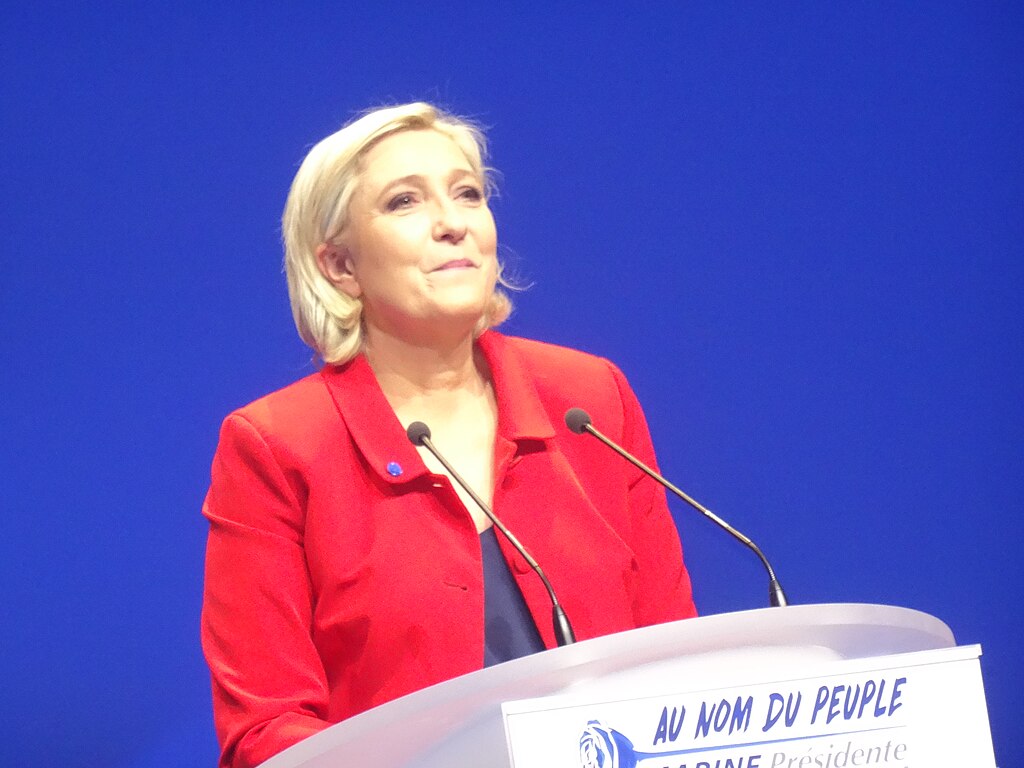
Marine Le Pen, the prominent leader of France’s far-right National Rally (RN), has begun a decisive appeal in Paris that could determine whether she is eligible to run in the 2027 French presidential election. The legal battle follows her conviction last year for misusing European Union funds, a ruling that resulted in a five-year ban from holding public office, effective immediately.
Le Pen had been widely viewed as a leading contender for the 2027 race before the conviction. French judges found her guilty of misappropriating more than 4 million euros in EU funds by using money intended for European Parliament staff to pay individuals who were, in practice, working for her party. Alongside Le Pen, the RN party and several co-defendants were also convicted. The appeal hearing, which began this week, is scheduled to conclude on February 12, with a final ruling expected before the summer.
The outcome is politically significant. If the court overturns or substantially reduces the ban, Le Pen’s path to the 2027 election would reopen. If not, she has indicated that RN party president Jordan Bardella, a rising figure in French far-right politics, would run in her place. Recent opinion polls suggest Bardella could be a strong candidate, potentially winning a second-round runoff regardless of his opponent.
Le Pen has denounced the ban as politically motivated, arguing that the judiciary is undermining democracy, rhetoric that mirrors claims often heard in U.S. political discourse. The judges, however, said the immediate ban was necessary to prevent harm to democratic public order, a decision supported by a majority of French voters according to polling data.
The case has drawn international attention, particularly from the United States. Former President Donald Trump and members of his team voiced support for Le Pen after her conviction, and reports of possible U.S. sanctions against French judicial figures sparked diplomatic concern, though U.S. officials later denied such plans.
As France watches closely, the appeal is shaping up to be a defining moment not only for Marine Le Pen’s political future, but also for the direction of the French far-right movement ahead of the 2027 presidential election.







