


 Netanyahu Defends Israel at UN as Delegates Stage Walkout
  Kremlin Says No Decision Yet on Putin-Trump December Summit
  OpenAI Agent Breaches Australia Medicare Data Portal
  US Senate Rejects Iran War Powers Resolution in 50-49 Vote
  North Korea Rejects Nuclear Test Warning, Calls Nuclear Status Irreversible
  Mexico-US Trade Talks Delayed to October as Tariff Negotiations Continue
  Xi Calls for Deeper U.S.-China AI Cooperation in Trump Talks
  France Defends Netanyahu Airspace Clearance Despite ICC Warrant
  Saudi Arabia, Turkey and Pakistan Plan Urgent Defence Talks Over Houthi Attacks
  What ‘Taiwan Independence’ Means as Xi Presses Trump on US Policy
  Ukrainian Drone Attacks Hit Russian Regions, Injuring at Least 12
  EU Defence Build-Up Too Slow for 2030 Russia Readiness Goal
  US Backs Musk in Fight Against EU’s €120 Million X Fine
  NATO Boosts Intelligence Sharing Amid Russia Hybrid Threats
  Sudan Rejects US Legitimacy Remarks, Defends Sovereignty
  Abbas Reaffirms November 28 Palestinian Elections
  Judge Orders Trump to Restore White House Access for CNN, MS NOW and Politico


 Add as a preferred source on Google
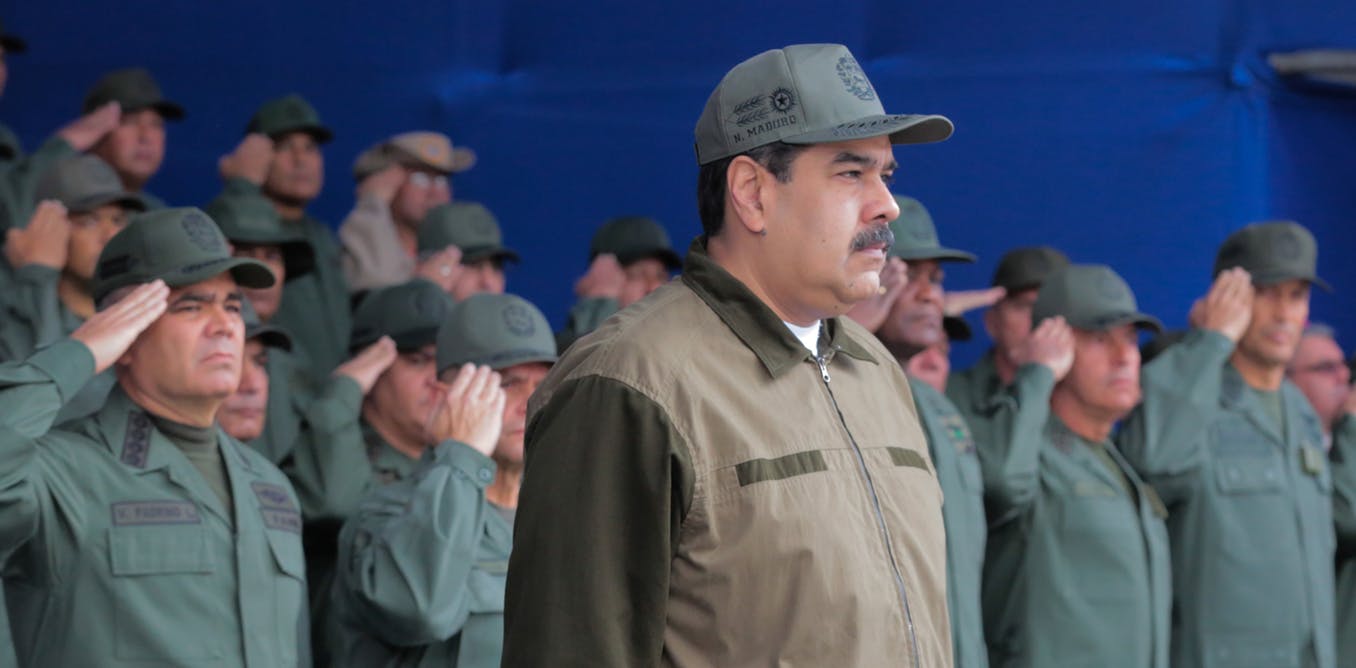
A dramatic shift in Venezuela’s political landscape unfolded after a U.S. raid led to the capture of former President Nicolas Maduro, triggering heightened military readiness and a leadership transition in Caracas. Venezuelan Defense Minister General Vladimir Padrino confirmed in a televised address on Sunday morning that a significant portion of Maduro’s security team was killed during the operation, underscoring the intensity of the raid and its immediate consequences.
While Padrino did not disclose an exact number of casualties, he emphasized that the losses were substantial and occurred during what authorities described as a coordinated U.S. military action. The announcement followed hours of uncertainty and speculation after reports surfaced late Saturday regarding Maduro’s detention, an event that has quickly become a focal point of global attention and regional concern.
In his statement, the defense minister expressed full support for Vice President Delcy Rodriguez, who has been declared interim president in the wake of Maduro’s capture. Padrino said the Venezuelan armed forces recognize Rodriguez’s authority and are acting under constitutional principles to maintain order, continuity of governance, and national stability during the transition period.
According to the defense ministry, the military has been activated nationwide to safeguard Venezuela’s sovereignty, protect strategic infrastructure, and prevent unrest. Troops have reportedly been deployed to key locations, including borders, major cities, and government facilities, as officials work to reassure the public and international observers that the situation remains under control.
The capture of Nicolas Maduro represents a major turning point for Venezuela, a country already grappling with years of political turmoil, economic crisis, and international pressure. Government officials framed the military’s response as a defensive measure aimed at preserving independence and deterring any further foreign intervention.
As developments continue to unfold, Venezuelans and the global community are closely monitoring how the interim leadership under Delcy Rodriguez will navigate the aftermath of the U.S. raid, address security concerns, and chart the nation’s next steps in a rapidly evolving political environment.







