


 European Stocks Fall as Bond Yields and Geopolitical Risks Weigh
  Gold Prices Fall as Treasury Yields Rise on Fed Rate Hike Bets
  Australia Unemployment Hits Five-Year High Despite Strong Jobs Growth
  Trump, Xi Focus on Trade and AI at White House Summit
  Japanese Bank Stocks Surge as Bond Yields Fuel Rate Hike Bets
  U.S. Treasury Yields Surge as 30-Year Hits 22-Year High
  China’s ‘Lipstick King’ Says AI Won’t Replace Livestream Hosts
  US Stock Futures Fall as Treasury Yields Surge Ahead of Trump-Xi Summit
  RBI Uses $10 Billion Currency Swaps to Drain Excess Rupee Liquidity
  Gold Holds Near $4,275 as Rising Treasury Yields Fuel Fed Rate Hike Bets
  Wall Street Ends Flat as Oil, Treasury Yields and Fed Jitters Rattle Markets
  Asian Stocks Fall as Surging Bond Yields Rattle Markets
  Fed’s Hammack Says Bond Yield Surge Is Not Driven by Inflation Fears
  Soybean Futures Slip as Traders Await Trump-Xi Trade Signals
  Dollar Holds Near Two-Month High as Yen Approaches 160
  Fed Unveils Stablecoin Rules Under GENIUS Act
  Japanese Yen Rebounds as Trump Flags Currency Weakness


 Add as a preferred source on Google
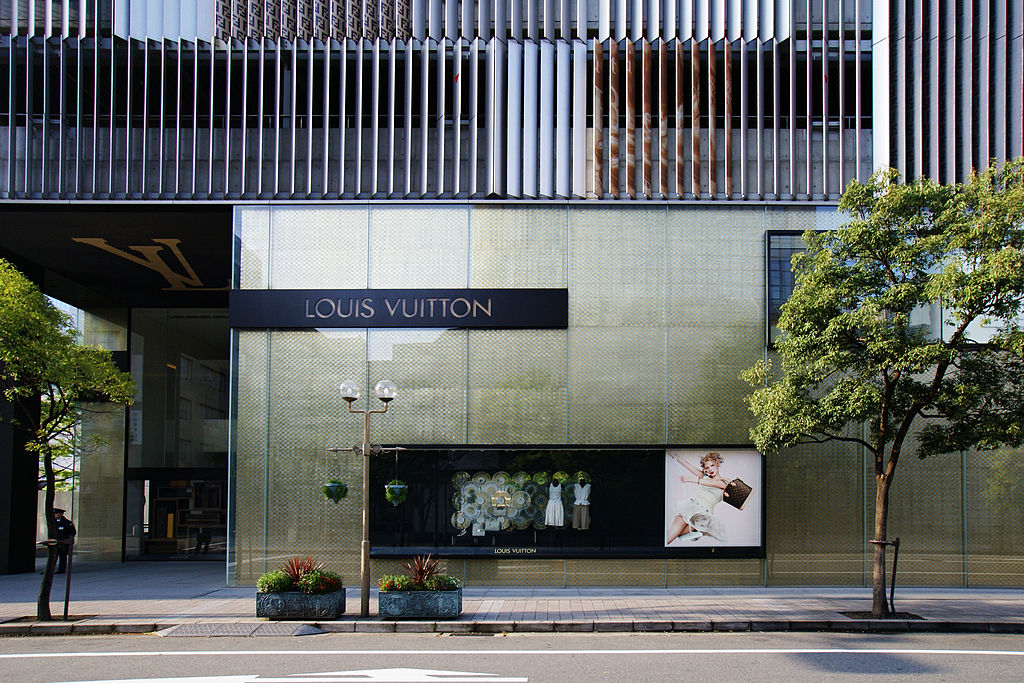
A sharp rise in luxury stocks is increasing pressure on major fashion houses like LVMH and Kering to prove that early signs of recovery can translate into meaningful fourth-quarter momentum. Over the past three months, Kering’s share price has jumped roughly 49%, while LVMH has climbed 42%, Moncler 28%, and Richemont 27%. While part of this rally reflects broader market optimism, investors are growing more confident that the nearly $400 billion luxury sector may finally be emerging from a prolonged downturn.
Recent third-quarter earnings revealed modest improvement in China—a once-crucial growth engine—while excitement around freshly appointed creative directors has lifted overall sentiment. Yet uncertainty remains. New collections inspired by these creative shakeups will not hit stores until next year, and China’s economic recovery is still fragile. U.S. spending, another key pillar of the luxury market, continues to track closely with stock market volatility. With the holiday season responsible for up to 30% of annual sales for some brands, according to luxury consultant Vincent Redrado, expectations are high—and the risks even higher.
Analysts caution that brands heavily exposed to China, including Burberry and Gucci, have already suffered from the slowdown there, prompting leadership changes and strategic overhauls. Even though Louis Vuitton posted positive Chinese growth last quarter, LVMH executives acknowledge that headwinds remain. As a result, many luxury houses are doubling down on the U.S. market. Hermes has opened new stores in Arizona and Tennessee, Dior launched its first U.S. spa, and Louis Vuitton is investing in a revamped Fifth Avenue presence. Retailers like Printemps report strong spending from American tourists, reinforcing the U.S. market’s importance.
Still, Citi credit card data shows U.S. luxury spending slipped 3% year-on-year in October, highlighting lingering consumer caution. Brands are also turning to new product innovation to spark momentum. Gucci’s early release of designs under incoming creative director Demna has already driven improved U.S. spending trends, while Louis Vuitton has generated buzz with ultra-premium beauty launches such as its $160 lipstick.
Despite economic uncertainties, luxury brands remain optimistic that refreshed collections and strategic expansion will attract shoppers back during the crucial holiday season and set the tone for a stronger year ahead.







