


 Trump Signs Order to Cut Routine Childhood Vaccines
  Novartis M&A Strategy Faces Investor Scrutiny After Drug Setbacks
  Eli Lilly Eyes AtaiBeckley Acquisition to Expand Psychedelic Mental Health Pipeline
  France Keeps Top Health Alert as Officials Brace for Another Heatwave
  AstraZeneca Q2 Earnings Beat Forecasts as Oncology Growth Supports 2026 Outlook
  Trump Administration Bars U.S. Travelers From Congo Flights Amid Ebola Outbreak
  GLP-1 Weight-Loss Drug Use Surges Among U.S. Children
  Alcohol is one of the most dangerous drugs, yet its presence is ubiquitous in social settings and celebrations
  Hims & Hers Shares Fall as GLP-1 Costs Widen Q2 Loss
  GSK Unveils $2.52 Billion Cost-Cutting Plan to Accelerate Drug Pipeline
  Novo Nordisk Strikes €1.17 Billion Nanexa Drug Delivery Deal
  Moderna Short Sellers Hit With $4.8 Billion Loss as Stock Soars
  France Battles Mediterranean Wildfires as Heatwave Fuels Fire Risk
  Moderna Wins FDA Approval for mFLUSIVA mRNA Flu Vaccine for Adults 50+


 Add as a preferred source on Google
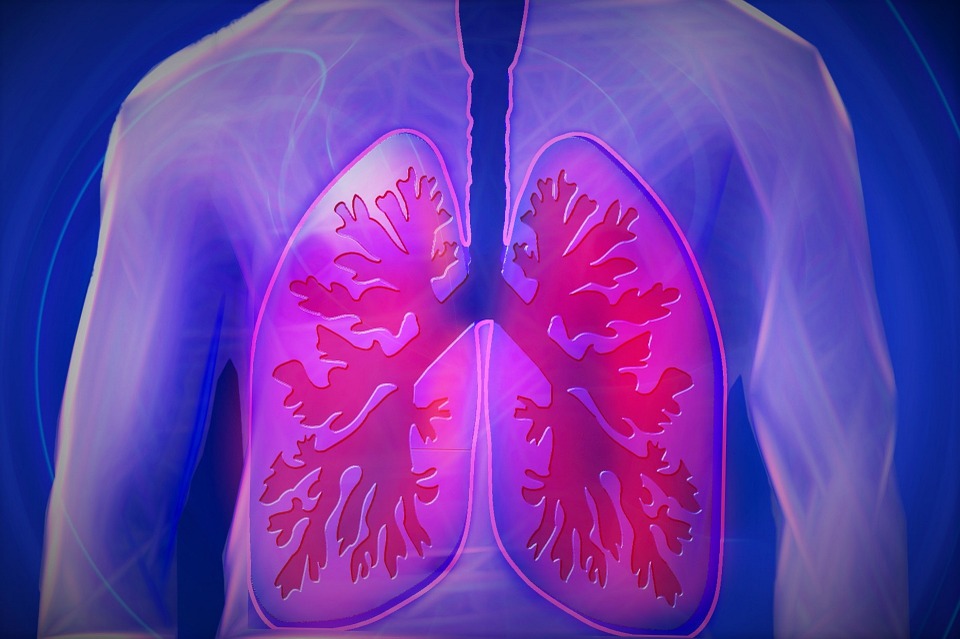
Lung cancer is one of the most prevalent types of cancer in the world today. A new report reveals that contracting this sickness may become an early sign of the disease.
Express reports that bronchitis may become an early indicator of lung cancer. The signs and symptoms of lung cancer usually do not show up until the cancer itself has progressed, so spotting any subtle changes may be something to keep in mind. However, like with any other type of disease and not just cancer, many of the symptoms that are experienced may indicate other conditions, either serious or treatable.
Other symptoms of lung cancer include chest, back, or shoulder pains, persistent coughing, shortness of breath, coughing up blood, coughing up phlegm or mucus, loss of appetite, fatigue, muscle wasting, headaches, bone fractures, swelling in the face or in the neck, bleeding, blood clots, and some neurological symptoms like memory loss.
In case you or someone you know may be experiencing these symptoms, consult a doctor to get a proper diagnosis. They may prescribe the patient to undergo tests in order to determine the presence of cancer cells or not.
Although there is no exact cause for lung cancer, it is usually developed over time through many factors. Heavy smoking increases the risk, as well as constant exposure to cancerous substances like asbestos. Inhaling secondhand smoke also increases the risk of developing lung cancer, so it is best to keep away from smoking as well as steer clear of smoking areas. Exposure to pollution and previous respiratory diseases also increase the risk.
Meanwhile, as medical and technological advancements are made over recent years, sometimes there is a lot of red tape when introducing these advancements. A report by Bloomberg reveals that a drug for lung cancer called Tecentriq was rejected by the United Kingdom National Institute for Health and Care Excellence for not being cost-effective.
According to the organization, the average cost of lung cancer treatment with the drug would cost $43,100 alone. This is a high price to pay for patients, despite the drug’s ability to stimulate the body’s immune system to fight the cancer cells. It may be proven effective in extending survival in lung cancer patients by both the United States and European regulators, it is not economical enough.







