


 South Korea, US Discuss Warship Building Cooperation
  Asian Currencies Mixed as Dollar Holds Near Two-Month High
  Oil Prices Jump 3% as Houthi Attack Revives Supply Fears
  Netanyahu Defends Israel at UN as Delegates Stage Walkout
  Ukrainian Drone Attacks Hit Russian Regions, Injuring at Least 12
  Fed Unveils Stablecoin Rules Under GENIUS Act
  Ghana Says Western Support Growing for Slave Trade Reparations
  Netanyahu’s Brief US Trip Highlights Strains With Trump
  NATO Boosts Intelligence Sharing Amid Russia Hybrid Threats
  Asian Stocks Fall as Bond Yields Surge Ahead of Trump-Xi Summit
  Fed Unveils Stablecoin Rules Under GENIUS Act
  US 10-Year Treasury Yield at 6% Emerges as New Market Risk Threshold
  Yemen Violence Displaces 130,000 as Civilian Toll Rises
  North Korea Warns South Korea Over US-Led Defense Role
  Judge Orders Trump to Restore White House Access for CNN, MS NOW and Politico
  Oil Prices Ease as Iran Tensions Clash With Diplomacy Hopes
  France Defends Netanyahu Airspace Clearance Despite ICC Warrant


 Add as a preferred source on Google
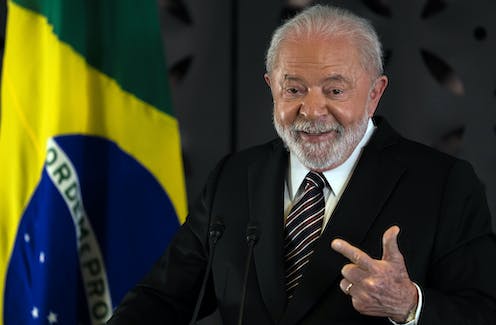
Brazilian President Luiz Inacio Lula da Silva fiercely criticized the United States on Thursday over new tariffs set by President Donald Trump, calling the move “unacceptable blackmail” and vowing to defend Brazil’s sovereignty. The escalating dispute follows Washington’s announcement of a 50% tariff on Brazilian goods, citing alleged unfair trade practices and Brazil’s treatment of former President Jair Bolsonaro.
Speaking at two public events, Lula rejected U.S. demands, asserting that “no foreigner will give orders to this president,” using the Brazilian slang “gringo” to emphasize his point. He also reaffirmed Brazil’s right to regulate and tax U.S. tech giants, which he accused of spreading misinformation and violence under the guise of free speech.
In a national TV and radio address, Lula revealed that Brazil had sent a trade proposal to the U.S. in May, expecting a diplomatic response but instead receiving what he described as threats and misinformation. The Brazilian government is now consulting with industry leaders and preparing possible retaliatory measures if negotiations fail.
Foreign Minister Mauro Vieira confirmed that Lula is open to dialogue with Trump, although the two leaders have not yet met. The trade tensions come as Lula, now in his third term as president, experiences a rebound in approval ratings amid his strong stance on national sovereignty and economic independence.
The confrontation highlights growing friction between Latin America’s largest economy and its biggest trading partner, potentially reshaping U.S.-Brazil relations. The outcome of the negotiations could impact sectors from agriculture to digital services, with global implications.
This dispute underscores Brazil’s commitment to independent policymaking while challenging the assertive trade strategies of the Trump administration. As tensions mount, all eyes remain on the next move in this high-stakes economic standoff.







