


 Drug pollution in water is making salmon take more risks – new research
  Nike Q4 Earnings Beat Estimates as Wholesale Growth Offsets Direct Sales Weakness
  Asian Stocks End Strong Quarter as Dollar Surges, Yen Hits 40-Year Low Ahead of US Jobs Data
  Rice feeds billions of people – but its role in fueling climate change is growing
  How ongoing deforestation is rooted in colonialism and its management practices
  Wildfires ignite infection risks, by weakening the body’s immune defences and spreading bugs in smoke
  Nvidia Stock Rises as SemiAnalysis Sees AI Data Center Revenue Beating Wall Street Forecasts
  An unexpected anomaly was found in the Pacific Ocean – and it could be a global time marker
  Baige Online Shares Soar 333% in Hong Kong IPO Debut as AI Insurance Demand Lifts Chinese Listings
  Wall Street Futures Rise Ahead of JOLTS Data, Nike Earnings, and U.S.-Iran Talks
  Extreme heat, flooding, wildfires – Colorado’s formerly incarcerated people on the hazards they faced behind bars
  Europe Heatwave Creates Growth Opportunity for Carrier, Trane, and Johnson Controls, Citi Says
  Thousands of satellites are due to burn up in the atmosphere every year – damaging the ozone layer and changing the climate
  Oil Prices Rise as U.S.-Iran Talks Keep Geopolitical Risks in Focus
  India Manufacturing PMI Slows in June as Demand Weakens Despite Lower Cost Pressures
  SK Holdings, KKR Launch $1.3B Renewable Energy Venture in South Korea


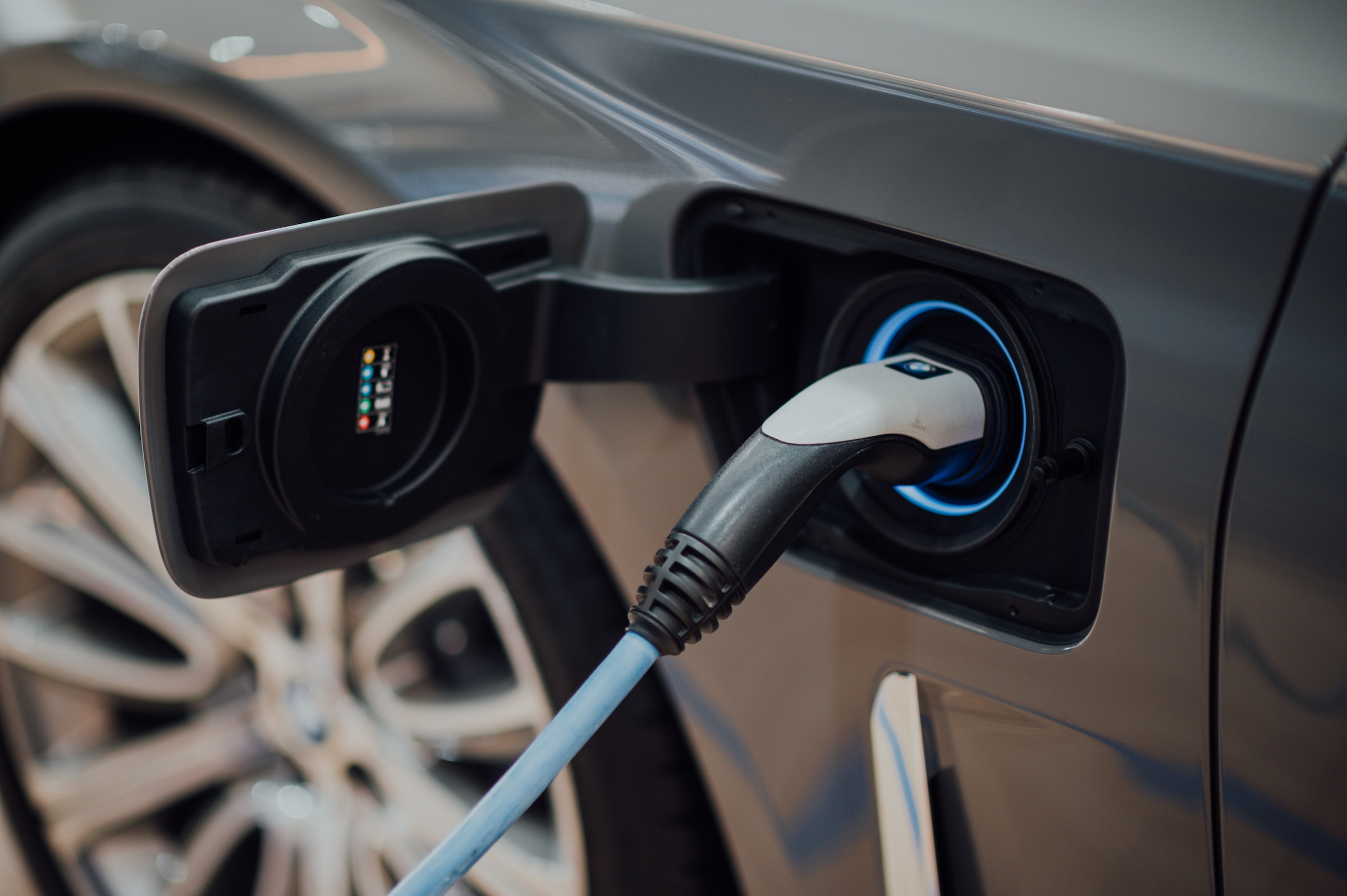
South Korea's third-largest mobile carrier, LG Uplus Corp, has partnered with Kakao Mobility Corp to establish a joint venture into the electric vehicle (EV) charging station business. Each company has committed approximately US$19 million to the venture, expected to emerge as a dominant player in the local EV charging market.
As per the agreement signed last Friday, both companies have invested 25 billion won (approximately US$19 million) each into the joint venture. LG Uplus will assume managerial rights, with an equal share ratio of 50% for both parties. It is worth mentioning that Kakao Mobility took one more week than LG Uplus to acquire 10 million shares. Consequently, the joint venture will be included as a consolidated subsidiary of LG U+.
Later this year, the joint venture will seek approval from South Korea's antitrust regulator. With LG Uplus having launched the EV charging service named VoltUp earlier this year and with Kakao Mobility offering mobile services for EV charging through its KakaoMap navigation platform, both companies are expecting the joint venture to occupy a leading position in the local EV charging market.
The official name and representative of the company will be confirmed upon the establishment of the joint venture. In January, LG Uplus acquired the electric vehicle charging division of its LG HelloVision subsidiary, which marked the beginning of the electric vehicle charging platform business.
The company plans to release the electric vehicle charging platform called 'Volt Up' in the second half of this year. The app, currently undergoing testing, will provide users with information about the location of electric car charging stations, enable reservation of charging time, offer payment and point accumulation features after charging, and provide round-the-clock counseling services.
Although Kakao Mobility does not directly operate a charging platform, it does provide search and payment services for electric vehicle charging stations. The industry predicts that both companies' integrating electric vehicle charging platforms is highly likely.
According to data from the Ministry of Land, Infrastructure and Transport, South Korea had nearly 400,000 electric vehicles on the road by the end of 2022. Electric vehicles are expected to grow to 4.2 million by 2030.
Photo: CHUTTERSNAP/Unsplash







