


 Oil Prices Jump 3% as Houthi Attack Revives Supply Fears
  DaVoice Sues Perplexity AI Over Trade Secrets
  Japanese Yen Rebounds as Trump Flags Currency Weakness
  US Backs Musk in Fight Against EU’s €120 Million X Fine
  Japan Private-Sector Growth Slows as Domestic Demand Weakens
  Asian Currencies Mixed as Dollar Holds Near Two-Month High
  US Stock Futures Fall as Treasury Yields Surge Ahead of Trump-Xi Summit
  Canadian Dollar Faces Pressure as Fed-BoC Policy Gap Widens
  US 10-Year Treasury Yield at 6% Emerges as New Market Risk Threshold
  Dollar Holds Near Two-Month High as Yen Approaches 160
  Meta Found Liable in New Mexico Facebook Data Privacy Case
  Australia Unemployment Hits Five-Year High Despite Strong Jobs Growth
  China’s ‘Lipstick King’ Says AI Won’t Replace Livestream Hosts
  U.S. Dollar Hits Two-Month High as Oil, Treasury Yields Surge
  Fed’s Hammack Says Bond Yield Surge Is Not Driven by Inflation Fears
  Asian Stocks Fall as Bond Yields Surge Ahead of Trump-Xi Summit
  Dollar Falls as Oil Eases, Yen Jumps on Intervention Signals


 Add as a preferred source on Google
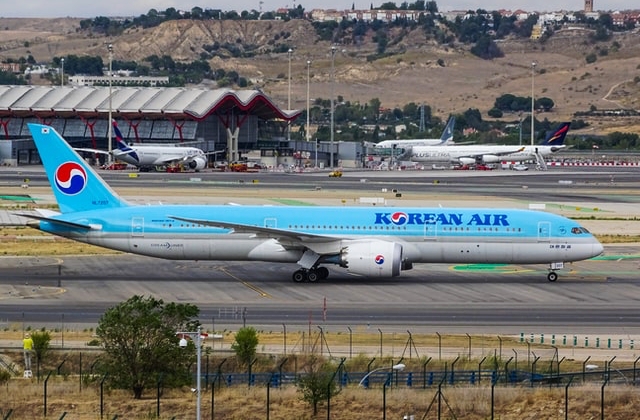
Korean Air is set to acquire Asiana Airlines, its long-time rival carrier, and if the acquisition will not encounter issues and push through, it was reported that the former may have to spend an additional ₩600 billion or $524 million in the next two years.
Why Korean Air may have to spend more on the acquisition
According to The Korea Herald, new data stated that Korean Air will have to squeeze out more than half a billion dollars to complete its purchase. Based on the information that was gathered by lawmaker Park Sang Hyuk, the largest airline and flag carrier of Korea may have to foot a total bill of about ₩2.4 trillion for the purchase and post-merger works as the companies go through the integration process, which is estimated to take two years to complete.
It was explained that the plan is for Korean Air to combine its booking and ticketing systems with Asiana’s. The latter’s customer database must be integrated with Korean Air’s as well. Mostly, the additional budget will be spent on the post-merger works, especially in the IT integration process.
Moreover, the crew, including the flight attendants of the two airlines, will not work together under a new system, so all of them are set to undergo new training. It was reported that Korean Air already shelled out ₩1 trillion as part of its ₩1.8 trillion Asiana Airlines acquisition deal.
Post-merger plans
Apparently, Korean Air has yet to pay the remaining ₩800 billion, and earlier this year, it was reported that it was able to raise ₩3.3 trillion by issuing new shares. The money will be used to help pay for the purchase of Asiana Airlines.
Woo Ki Hong, the Korean Air chief executive officer, vowed not to force restructuring after the merge. Rather, the two airlines are expected to create a synergy and churn out around 300 or 400 billion won per year as the travel industry recovers from the COVID-19 pandemic.
Korea Joongang Daily reported earlier this month that Korean Air also reached an agreement with the Korea Development Bank (KDB) with regards to how it will incorporate Asiana into its business operations.
It was learned that Korean Air submitted its post-merger plan to the KDB in March, and it was requested to make some revisions and were approved by the bank last week. It includes employment, ticket prices, and other integration plans after the full merger.







