


 OpenAI Scraps GPT-6.1 Astra Launch Over Safety Concerns
  Japan Warns Markets Over Yen Weakness
  UK Housebuilder Stocks Surge on New First-Time Buyer Loan Scheme
  Pi Network Price Holds $0.087 as Protocol 28 Mainnet Upgrade Nears
  Asian Stocks Fall as Oil Surge, Bond Yields and AI Concerns Hit Markets
  Nvidia China Chip Sales Report Sends Chinese Semiconductor Stocks Lower
  Lindt Slashes 2026 Sales Growth Forecast as European Demand Weakens
  Hengrui Shares Rise on $2.6 Billion Novo Nordisk Obesity Drug Deal
  U.S. Stock Futures Steady as AI, Rate Concerns Weigh
  XRP Price Targets $1.70 as Bullish Momentum Builds
  Pepco Raises FY26 Earnings Outlook, Unveils €400 Million Buyback
  US Stocks Face Jobs, Inflation Test as Fed Rate Hike Bets Rise
  China Cuts Tariffs on U.S. Farm Goods but Excludes Soybeans
  Citigroup Expands Coinbase Partnership for Stablecoin Payments
  Chainlink Launches CCIP 2.0 With Enhanced Cross-Chain Security
  Hong Kong Home Prices Stabilize in August After July Decline
  Asian Chip Stocks Tumble as OpenAI Safety Pause Sparks AI Growth Concerns


 Add as a preferred source on Google
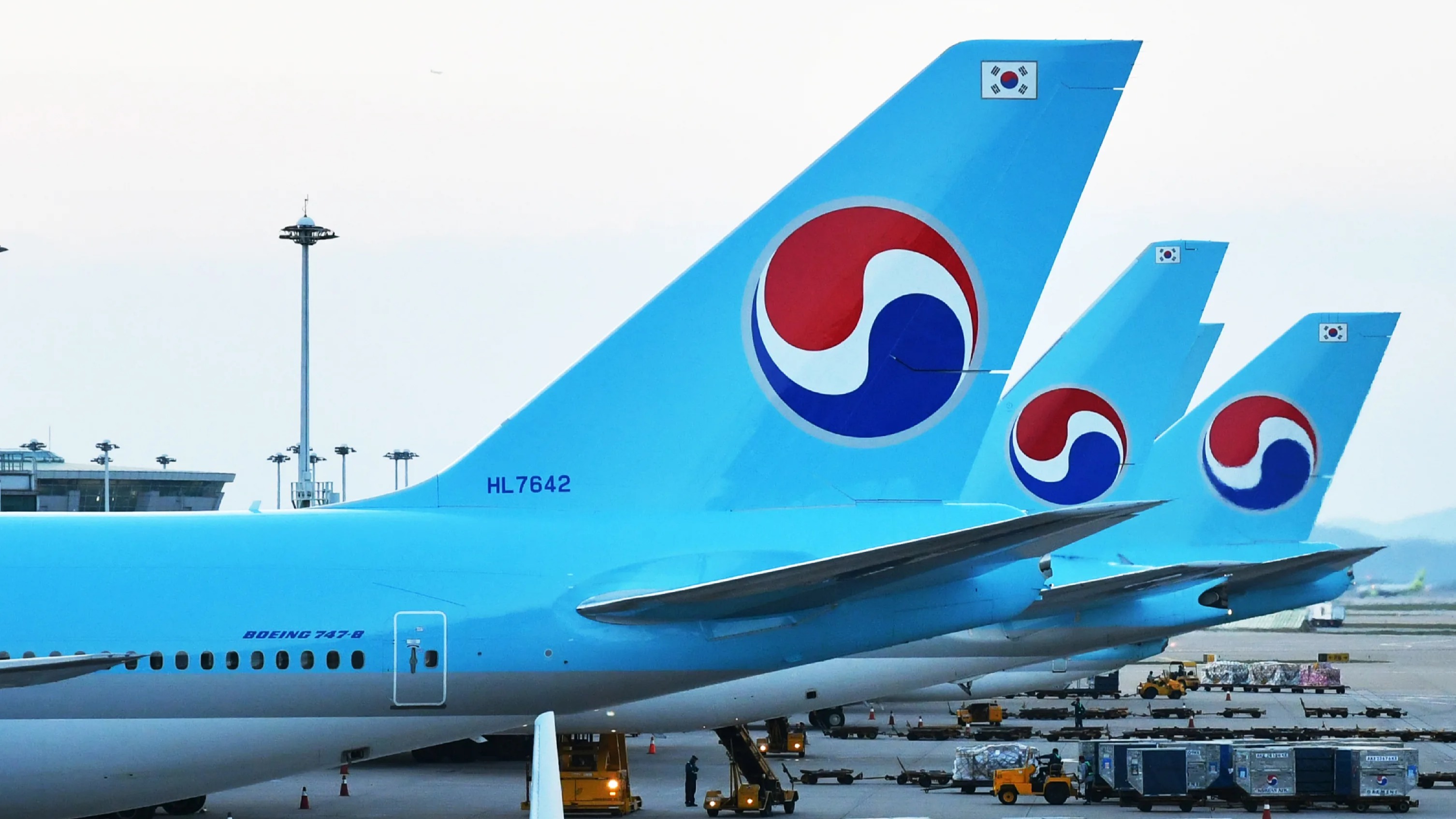
Korean Air Lines Co. has been chosen by the state-run Agency for Defense Development (ADD) as a preferred bidder to spearhead the development of unmanned combat aerial vehicles (UCAVs).
The ADD recently finished the basic design for the low-observable formation-flying, unmanned aircraft, which it started in November.
Korean Air, which will team up with the agency to produce a detailed design, plans to develop a special system that allows low-observable UCAVs to fly in formation with a combination of manned and unmanned aircraft.
Every three or four UCAVs will be tasked with guarding and aiding a single manned aircraft while also performing autonomous tasks including electromagnetic interference, surgical attacks, and surveillance.
Since 2010, Korean Air and the agency have been working together to construct South Korea's first low-observable UAV, successfully testing a tailless aircraft in the process.
The national flag carrier was chosen last year by the Korea Research Institute for Defense Technology, Planning, and Advancement to create broadband, low-observable UAVs.







