


 G20 Divided Over US Push to Curb Industrial Overcapacity
  US Waives Egypt Military Aid Conditions Over Iran War Role
  Russia Strikes Kyiv Bridge as Ukraine Infrastructure Attacks Escalate
  Yemen Launches Major Offensive to Retake Houthi-Held Areas
  OPEC+ Keeps November Oil Output Targets Steady
  India-US Trade Deal Talks Hit Plateau, Sitharaman Says
  Iran Plans Stronger Response if US Attacks Resume
  Bosnia Election Puts EU Bid and Foreign Influence in Focus
  Trump Heads to Ohio to Boost Husted in Tight Senate Race
  Trump Says Iran War Could End Soon After Midterms
  Brazil Presidential Debate Canceled as Lula, Bolsonaro Skip Event
  Australia Probes Flydubai Co-Pilot’s Links After FZ1073 Hijack Attempt
  Merz Pledges €1 Billion in Ukraine Aid During Kyiv Visit
  Ukraine Faces $56 Billion Budget Gap as War Costs Soar
  California Woman Arrested Over Alleged Spying on Taiwan President’s Son
  South Korea Warns Ukraine Over North Korean POW Dispute
  Iran Faces Rising Pressure as U.S. Builds Military Presence


 Add as a preferred source on Google
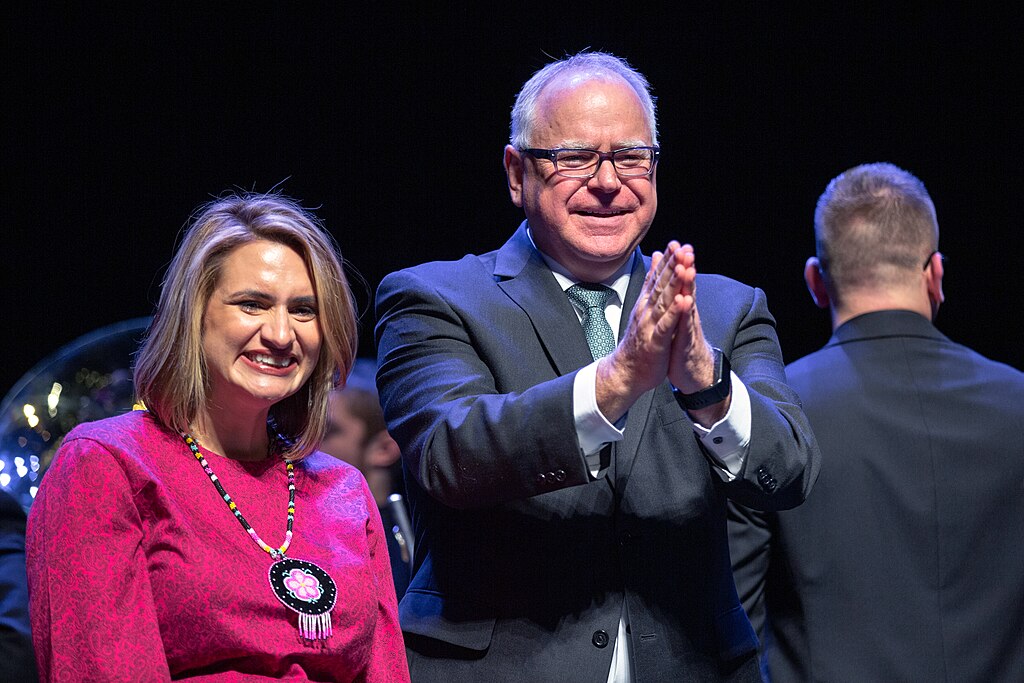
Minnesota Governor Tim Walz is facing intense scrutiny after allegations surfaced that his administration allowed a group of politically connected Somali individuals to embezzle $250 million in COVID-19 relief funds. The funds, which were intended to feed needy children during the pandemic, were reportedly siphoned off and used to finance personal luxuries, purchase real estate, and make political donations under false identities.
The scandal, described as the largest COVID-19 relief fraud in American history, has sparked widespread outrage and raised serious questions about the oversight and management of federal funds during the pandemic. As details of the fraud continue to emerge, Governor Walz finds himself at the center of a growing controversy, with critics accusing him of failing to prevent the misuse of funds under his watch.
The scheme allegedly involved individuals with close political ties who exploited the COVID-19 relief program designed to provide meals for children impacted by school closures. Instead of directing the funds to legitimate food programs, the fraudsters are accused of using the money for personal gain, including purchasing expensive cars, luxury goods, and real estate properties. Additionally, some of the funds were reportedly funneled into political donations, further complicating the scandal and drawing attention to potential links between the fraudsters and local political figures.
The scope and audacity of the scheme have shocked many. The alleged fraud not only deprive vulnerable children of much-needed resources but also undermines public trust in government programs. The incident has prompted a wave of criticism directed at Governor Walz and his administration, with calls for a thorough investigation into how such a massive fraud could have occurred under his leadership.
Governor Walz, a prominent figure in Minnesota politics, now faces a critical test of his leadership as the scandal threatens to overshadow his administration’s efforts to manage the pandemic. The governor’s opponents have seized on the controversy, using it as a rallying point to question his competence and demand greater accountability from state officials.
In response to the allegations, there are growing calls for a federal investigation to determine the full extent of the fraud and to hold those responsible accountable. The case has also reignited discussions about the effectiveness of government oversight in emergencies, mainly when large sums of money are rapidly distributed to address urgent needs.
As the scandal unfolds, Governor Walz must navigate the political fallout while addressing the concerns of constituents who feel betrayed by the misuse of public funds. The incident has highlighted the challenges of administering large-scale relief programs during a crisis, where the need for speed can sometimes outpace oversight mechanisms.







