


 Xi Rest Breaks Cut Trump Summit Schedule, WSJ Reports
  Ukraine Faces $56 Billion Budget Gap as War Costs Soar
  Australia Probes Flydubai Co-Pilot’s Links After FZ1073 Hijack Attempt
  Flavio Bolsonaro, Lula Head to Brazil Presidential Runoff
  Yemen Launches Major Offensive to Retake Houthi-Held Areas
  Merz to Meet ECB Frontrunners Knot and De Cos
  Nicaragua Withdraws From Central American Parliament
  Trump Says Iran War Could End Soon After Midterms
  Takaichi Pledges to Control Japan Bond Issuance
  Merz Pledges €1 Billion in Ukraine Aid During Kyiv Visit
  India-US Trade Deal Talks Hit Plateau, Sitharaman Says
  UK Warned Over Growing Reliance on US Cloud Providers
  Bosnia Election Puts EU Bid and Foreign Influence in Focus
  Iran Plans Stronger Response if US Attacks Resume
  Trump Heads to Ohio to Boost Husted in Tight Senate Race
  California Woman Arrested Over Alleged Spying on Taiwan President’s Son
  Russia Strikes Kyiv Bridge as Ukraine Infrastructure Attacks Escalate


 Add as a preferred source on Google
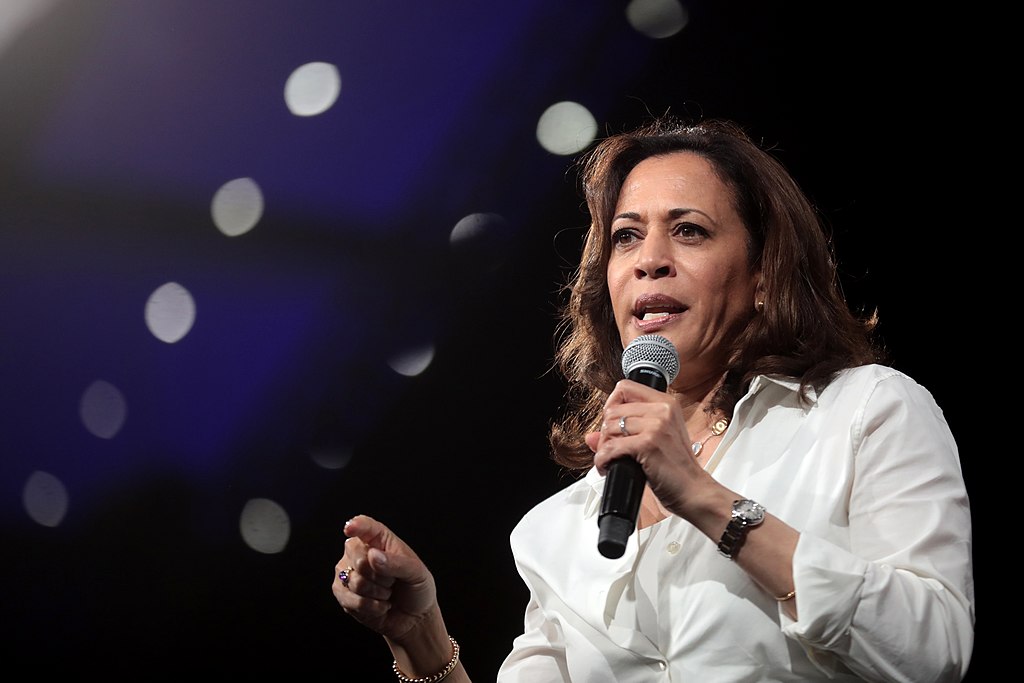
Kamala Harris has reportedly struggled to find a vice presidential candidate, with at least 12 potential picks having declined her offer. According to sources, these individuals feared that accepting the position would be tantamount to "career suicide."
The revelation has cast a shadow over Harris’s campaign, highlighting the difficulties she faces in securing a running mate who can bolster her bid for the presidency. The reluctance of these candidates to join Harris underscores the challenges she faces in unifying the party and presenting a solid front in the upcoming election.
Among those who have reportedly turned down the offer are prominent political figures and experienced leaders who are wary of the potential repercussions on their careers despite their alignment with Harris on various issues. They fear being associated with a campaign that they perceive as potentially detrimental to their future political prospects.
The search for a vice presidential candidate is critical for any presidential hopeful, and for Harris, this process has become particularly fraught. The reasons behind the hesitancy are multifaceted, ranging from concerns about the campaign's direction to apprehensions about Harris's leadership style and the overall strategy of the Democratic ticket.
This development comes at a crucial time, as Harris seeks to consolidate support and build momentum in her campaign. The selection of a vice-presidential candidate is not only a strategic decision but also a symbolic one, reflecting the values and vision of the presidential hopeful. The inability to secure a willing and compatible running mate can be seen as a significant vulnerability.
Political analysts suggest that Harris's challenge in finding a vice-presidential candidate may also indicate broader concerns within the party about the campaign's viability. The hesitancy of potential candidates to align themselves with Harris raises questions about the confidence and unity within the Democratic ranks.
Moreover, the perception of the vice-presidential role as "career suicide" hints at deeper anxieties about the political landscape and the risks involved in high-stakes electoral politics. For many, the prospect of joining the ticket involves supporting Harris and navigating the complexities of a polarized and volatile political environment.
As Harris continues her search, the pressure to find a suitable and willing vice-presidential candidate mounts. The decision is pivotal, not only for the immediate campaign but also for the long-term prospects of those involved. The outcome of this search will undoubtedly have significant implications for Harris's chances in the election and the broader dynamics of the Democratic Party.
The situation remains fluid, and as the campaign progresses, Harris's ability to address these challenges and secure a running mate will be closely watched. The political ramifications of this development will resonate beyond the immediate campaign, shaping the contours of the electoral contest ahead.







