


 Paraguay Opposition Wins Key Mayor Races in Blow to Colorado Party
  Russia Strikes Kyiv Bridge as Ukraine Infrastructure Attacks Escalate
  G20 Divided Over US Push to Curb Industrial Overcapacity
  US Waives Egypt Military Aid Conditions Over Iran War Role
  Tsai Ing-wen to Visit US for Stanford Security Conference
  South Korea Warns Ukraine Over North Korean POW Dispute
  Ukraine to Intensify Strikes on Russian Oil Refineries
  OPEC+ Keeps November Oil Output Targets Steady
  Trump Says Iran War Could End Soon After Midterms
  Iran Keeps Strait of Hormuz Closed as War Talks Stall
  Ukraine Faces $56 Billion Budget Gap as War Costs Soar
  Brazil Presidential Debate Canceled as Lula, Bolsonaro Skip Event
  Iran Faces Rising Pressure as U.S. Builds Military Presence
  UK Warned Over Growing Reliance on US Cloud Providers
  California Woman Arrested Over Alleged Spying on Taiwan President’s Son
  Trump Heads to Ohio to Boost Husted in Tight Senate Race


 Add as a preferred source on Google
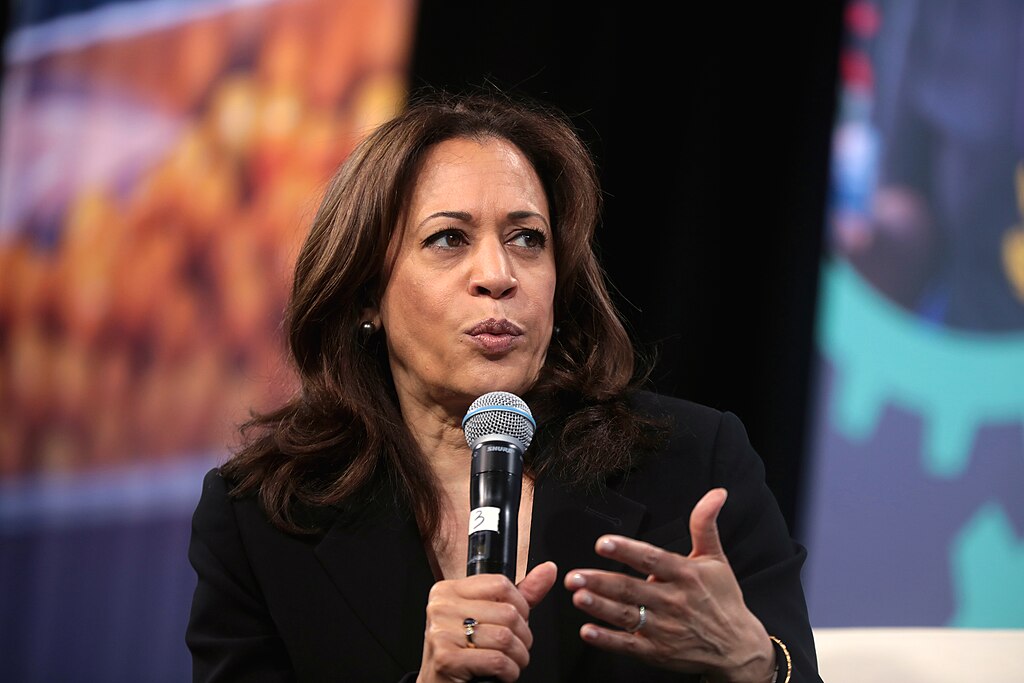
Vice President Kamala Harris is facing intense scrutiny as U.S. troops come under attack by Iranian proxies, escalating fears of a broader conflict in the Middle East. The latest assault has intensified criticism of Harris's handling of the volatile region, with experts warning that the situation could spiral out of control.
The attacks, which targeted American military personnel stationed in Iraq and Syria, have been attributed to militias backed by Iran. These incidents have raised alarms about the potential for a wider war as the Biden administration grapples with its response to the growing threat. The assaults come when the U.S. already deals with numerous geopolitical challenges, further complicating the administration's foreign policy agenda.
The recent surge in violence has put a spotlight on Vice President Harris, who has been tasked with overseeing several key aspects of U.S. foreign policy. Critics argue that her approach has been ineffective, pointing to the increasing frequency of attacks as evidence of a failed strategy. The administration's efforts to engage in diplomatic negotiations with Iran have been met with skepticism as hostilities continue to rise.
The Iranian-backed militias have intensified their operations in response to perceived threats from the U.S. and its allies. This escalation has prompted calls for a more robust military response to deter further aggression. However, the administration remains cautious, wary of igniting a larger conflict that could have far-reaching consequences.
In a bid to address the growing crisis, Vice President Harris has been in constant communication with key allies in the region. Despite these efforts, the situation on the ground remains precarious, with U.S. troops facing increasing dangers. The attacks have not only resulted in casualties but have also strained relations with local governments, who are struggling to maintain stability amid the turmoil.
The Biden administration's approach to the Middle East has been a delicate balancing act, attempting to navigate the complex web of alliances and enmities that define the region. The recent attacks have underscored the challenges inherent in this strategy, as the U.S. seeks to protect its interests while avoiding a full-scale confrontation.
Political analysts have quickly weighed in on the unfolding crisis, with many suggesting that the administration needs to reassess its tactics. Pressure on Vice President Harris is mounting as she formulates a response that addresses the immediate threat while laying the groundwork for long-term stability.
The attacks have also sparked a broader debate about the U.S.'s role in the Middle East. Some argue that a continued military presence is essential to countering Iranian influence, while others advocate for a strategic withdrawal to avoid further entanglement in regional conflicts. This debate will likely intensify in the coming weeks as the administration grapples with the fallout from the latest violence.
As the situation evolves, the international community is watching closely. Allies and adversaries are assessing the U.S.'s response, which will have significant implications for the region's future. The stakes are high, and the administration's handling of this crisis will be a critical test of its foreign policy acumen.
In the meantime, U.S. troops remain on high alert, bracing for potential further attacks. The Biden administration faces the daunting task of protecting American lives while navigating Middle Eastern geopolitics' complex and often treacherous landscape. As Vice President Harris continues to spearhead these efforts, the coming days and weeks will be crucial in determining the trajectory of U.S. involvement in the region.







