


 Japan Private-Sector Growth Slows as Domestic Demand Weakens
  Fed Unveils Stablecoin Rules Under GENIUS Act
  U.S. 10-Year Treasury Yield Hits 2007 High as Fed Rate Hike Bets Rise
  Russian Envoy Dmitriev Heads to US for Ukraine Talks
  Gold Prices Fall as Treasury Yields Rise on Fed Rate Hike Bets
  China’s ‘Lipstick King’ Says AI Won’t Replace Livestream Hosts
  U.S. Dollar Hits Two-Month High as Oil, Treasury Yields Surge
  Australia Unemployment Hits Five-Year High Despite Strong Jobs Growth
  Oil Prices Ease as Iran Tensions Clash With Diplomacy Hopes
  Trump, Xi Focus on Trade and AI at White House Summit
  Japanese Bank Stocks Surge as Bond Yields Fuel Rate Hike Bets
  European Stocks Fall as Bond Yields and Geopolitical Risks Weigh
  Mexico-US Trade Talks Delayed to October as Tariff Negotiations Continue
  South Korea, US Discuss Warship Building Cooperation
  Fed Unveils Stablecoin Rules Under GENIUS Act
  U.S. Treasury Yields Surge as 30-Year Hits 22-Year High
  Wall Street Ends Flat as Oil, Treasury Yields and Fed Jitters Rattle Markets


 Add as a preferred source on Google
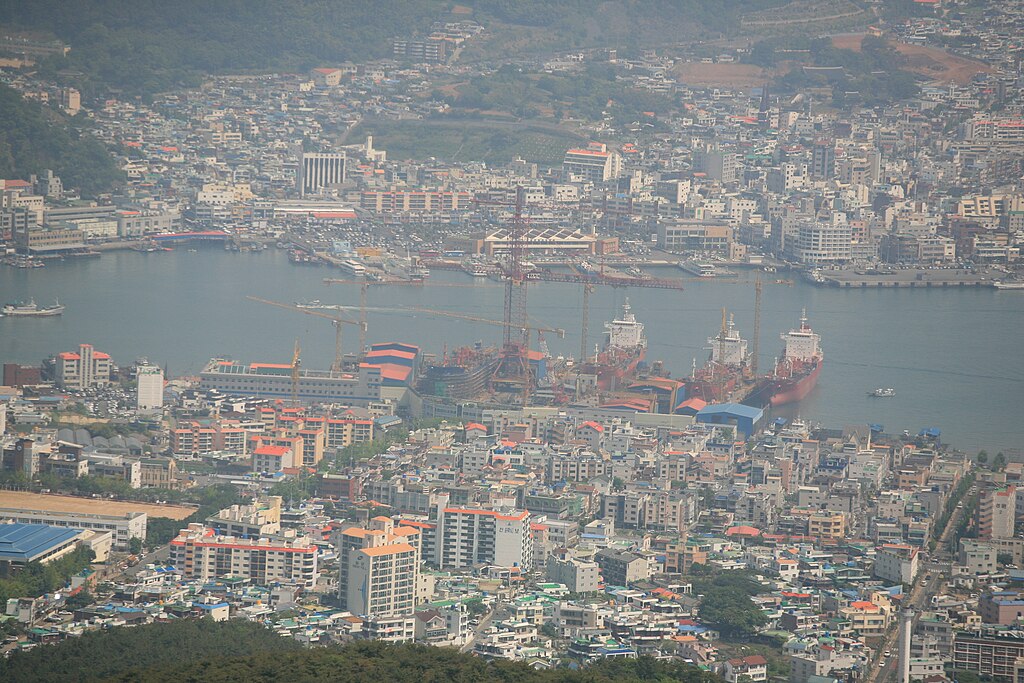
South Korea’s benchmark KOSPI index staged a powerful rebound on Thursday, jumping as much as 12% in early trading after suffering sharp losses over the previous two sessions. The recovery highlights renewed investor confidence in South Korean stocks, particularly major technology and manufacturing companies that had previously driven the market’s strong performance this year.
During the early session, the KOSPI surged to 5,695.64 points, representing a 12% increase at its peak. By 19:14 ET (00:14 GMT), the index remained strongly higher, trading up 10.7%, signaling a significant turnaround after the market’s recent selloff.
Much of the rebound was driven by gains in major South Korean chipmakers, including Samsung Electronics and SK Hynix, both of which climbed roughly 12%. These semiconductor giants had been at the center of the index’s earlier decline but quickly regained momentum as investors returned to technology stocks tied to the global artificial intelligence (AI) boom. Shares of Hyundai Motor also advanced about 12%, contributing to the broader market recovery.
The recent volatility in the South Korean stock market was largely triggered by heightened geopolitical tensions in the Middle East and growing investor concerns about the broader impact of artificial intelligence on global industries. These factors prompted heavy profit-taking and liquidation of long positions, especially after the market’s strong rally earlier this year.
Before the correction, the KOSPI had been the best-performing major stock index globally in 2026, gaining nearly 50% year-to-date and reaching multiple record highs. However, overly bullish investor positioning toward the end of February increased the market’s vulnerability to sudden sentiment shifts. When news of the U.S.-Iran conflict escalated, investors rushed to lock in profits, leading to significant selling pressure.
Despite the recent two-day downturn, the KOSPI remains up approximately 30% for the year, underscoring the resilience of South Korea’s technology-driven economy. Strong optimism surrounding the country’s leadership in semiconductors, AI technology, and advanced manufacturing continues to support investor interest in Korean equities.
Market analysts note that South Korea’s semiconductor sector, led by Samsung Electronics and SK Hynix, remains a key driver of long-term growth. As global demand for AI chips and high-performance memory increases, South Korean companies are expected to remain central to the evolving technology landscape, helping sustain momentum in the KOSPI index in the months ahead.







