


 SMBC Eyes 20% VPBank Stake in Vietnam Expansion
  US Stock Futures Fall as Treasury Yields Surge Ahead of Trump-Xi Summit
  Costco Revenue Beats Estimates as Inflation Drives Bulk Shopping
  Dollar Falls as Oil Eases, Yen Jumps on Intervention Signals
  China Agrees to Buy 20 Million Tons of U.S. Coal
  European Stocks Fall as Bond Yields and Geopolitical Risks Weigh
  Oil Prices Jump 3% as Houthi Attack Revives Supply Fears
  Fed Unveils Stablecoin Rules Under GENIUS Act
  Meta Found Liable in New Mexico Facebook Data Privacy Case
  Europe’s AI Data Centre Boom Strengthens Case for Nuclear Power
  FDA Approves Mirum’s Atebrioz for Rare Bone Disorder FOP
  OpenAI AI Agents Bypassed UN Website Controls in Data Scraping
  U.S. Dollar Hits Two-Month High as Oil, Treasury Yields Surge
  U.S. Treasury Yields Surge as 30-Year Hits 22-Year High
  OpenAI, Anthropic CEOs Summoned to Australia AI Inquiry
  Dollar Holds Near Two-Month High as Yen Approaches 160
  Soybean Futures Slip as Traders Await Trump-Xi Trade Signals


 Add as a preferred source on Google
Amid escalating Moscow regulations post-Ukraine operation, foreign companies are grappling with surging costs and added complexities when attempting to leave the Russian market, resulting in over $80 billion in losses.
Moscow has been progressively tightening regulations surrounding company exits in response to Western firms leaving the country after an alleged "special military operation" in Ukraine in February 2022. Executives have voiced concerns over the increasing complexity of navigating these rules.
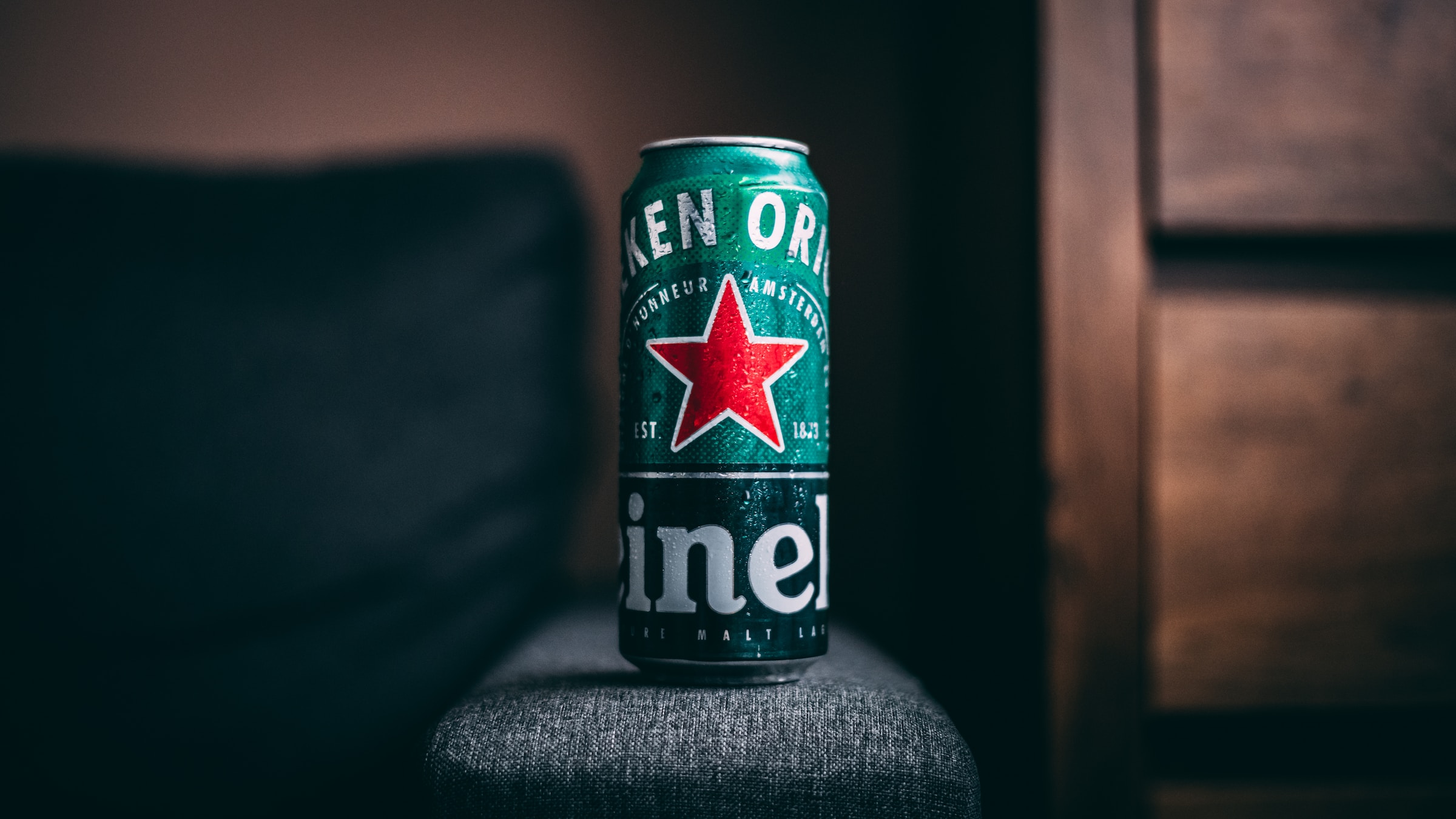
Based on company filings and statements, a preliminary analysis by Reuters reveals that foreign companies have suffered losses of over $80 billion from their Russian operations due to write-downs and lost revenue. On Friday, Dutch brewer Heineken announced the completion of the sale of its Russian operations to Russia's Arnest Group for a nominal one euro, effectively marking its exit from the Russian market.
Moscow has incrementally implemented additional hurdles for companies seeking to leave. The threat of nationalization also looms, particularly following the seizure of assets belonging to Danish brewer Carlsberg and French yogurt maker Danone in July.
Several companies, including telecoms group Veon, Nasdaq-listed tech company Yandex, and Italian lender Intesa, are negotiating exit plans. Before final approvals, Moscow already demands a 50% discount on all foreign deals through valuations conducted by consultants appointed by the Russian government. Additionally, a contribution of at least 10% of the sale price to the Russian budget is required.
However, sources familiar with the exit process indicate that certain deals face additional demands for discounts before securing government approval. These sources chose to remain anonymous due to the confidential nature of the information.
In response to queries, the Russian finance ministry stated that it does not compel the reduction of final sale prices, but adjustments to valuations may occur during the sales process.
The economy ministry and central bank also evaluate businesses and reserve the right to make "corrections" to the sale price if necessary. Moreover, deals involving companies from countries classified as "unfriendly" require approval from a government commission overseeing foreign investments.
A financial market source working with firms seeking to exit Russia revealed that the commission is returning some deals, suggesting that the valuation should be 20-30% lower. As companies grapple with the challenge of leaving Russia, the government's insistence on larger discounts adds further complexity to their exit strategies.
Photo: Marko Blažević/Unsplash







