


 Scott Bessent Eyed as Trump’s New AI Czar
  Zelenskiy Meets CIA Chief John Ratcliffe at Ireland’s Shannon Airport
  Trump Board of Peace Unveils $2.45 Billion Gaza Recovery Plan
  CNN, MS NOW and Politico Sue Trump Over White House Media Ban
  Macron, Trump Discuss Ukraine-Russia Energy Strike Moratorium
  Zelenskiy Warns Russia Preparing Major Attack on Ukraine
  Kremlin Says No Grounds Yet for Ukraine Peace Talks
  Trump to Press Xi on Release of US Nuclear Expert Held in China
  Iran Vows ‘Crushing’ Response as US Talks Continue
  Russian Strikes Kill Eight Across Ukraine as Energy Sites Hit
  Macron Challenges Trump’s Gaza Peace Claims at UN
  US, Denmark and Greenland Set to Sign Arctic Security Deal
  Marco Rubio to Meet Russia’s Lavrov in New York
  Trump Says ‘Freedom’ Is Coming to Cuba
  UK, Mauritius Seek Diego Garcia Base Deal
  Trump Scales Back Endangered Species Act Protections
  Trump Administration Prepares Sanctions Against Entire ICC


 Add as a preferred source on Google
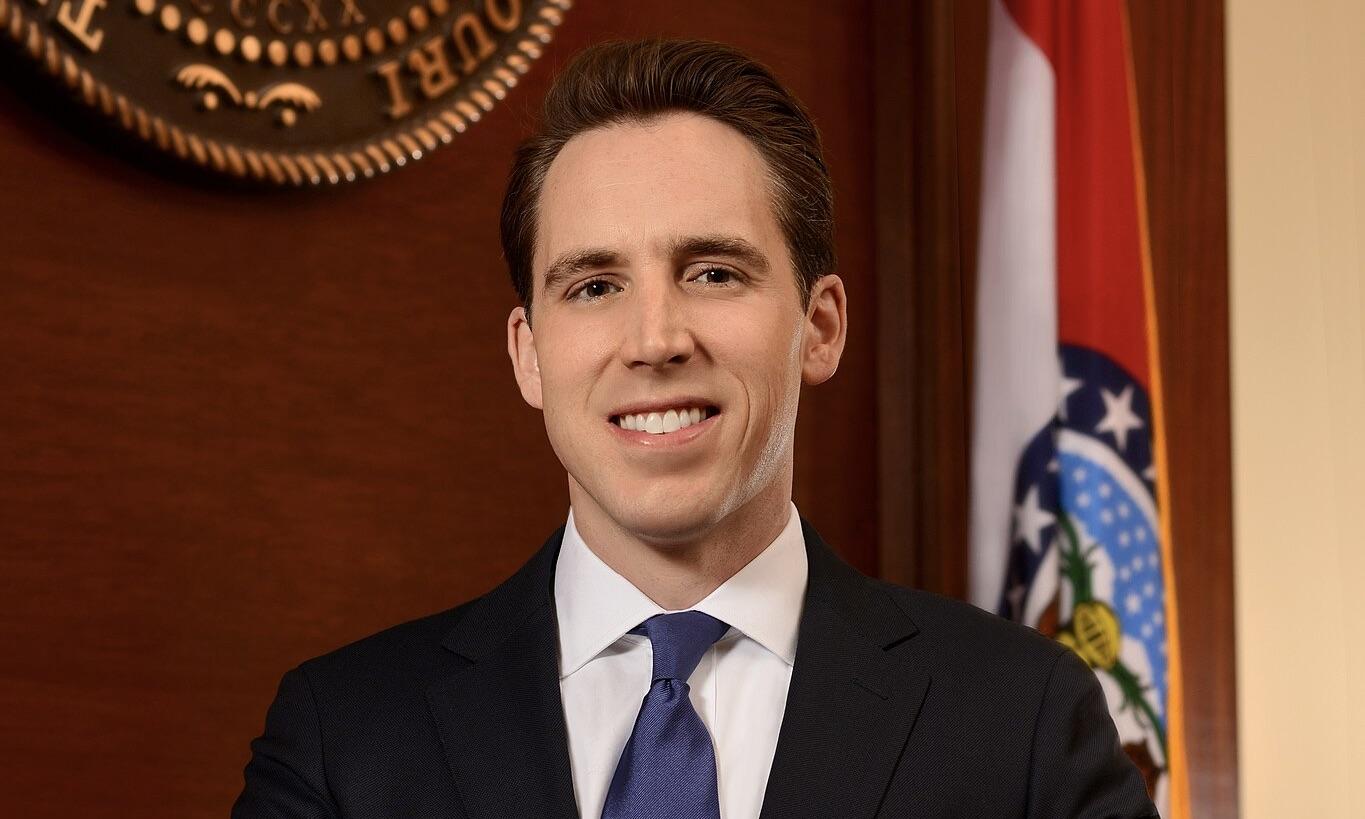
In a dramatic twist that has sent shockwaves through Washington, Senator Josh Hawley has brought to light a startling allegation involving an alleged assassination attempt on former President Donald Trump. The revelation, which has quickly become the center of intense speculation and debate, raises serious questions about national security and the measures in place to protect high-profile political figures.
Hawley, a Republican senator known for his outspoken views and alignment with Trump, has pointed to what he describes as a credible plot to take the life of the 45th president. This explosive claim, if substantiated, could have profound implications for how security protocols are evaluated and implemented for current and former U.S. leaders. The specifics of the alleged plot remain under wraps, but the senator’s disclosure has already ignited a firestorm of controversy, as experts and the public alike grapple with the implications of such a grave threat.
The suggestion of an assassination attempt on Trump, who has remained a highly polarizing figure since leaving office, adds another layer of complexity to an already tumultuous political landscape. Hawley’s claim brings to the forefront the perennial concerns over the adequacy of protection for America’s political leaders, particularly in an era marked by deep political divisions and heightened tensions.
Security analysts are now scrutinizing whether there were missed opportunities to prevent the alleged plot. The details surrounding how the threat was identified and the steps taken to neutralize it remain murky, fueling speculation about potential lapses in the system designed to safeguard former presidents. Some have begun to question whether the political climate may have contributed to a breakdown in communication or vigilance among those responsible for Trump’s security.
The ramifications of Hawley’s revelation are far-reaching. If proven true, this alleged assassination attempt would not only mark a dark chapter in American history but also prompt a re-evaluation of how security measures are tailored to the unique challenges faced by figures as polarizing as Trump. The incident could lead to calls for enhanced protective protocols, especially given the ongoing threats that high-profile politicians face in today’s charged environment.
Hawley’s decision to go public with this information raises questions about the timing and motivations behind the disclosure. Some observers speculate that the senator may be seeking to rally support among Trump’s base by highlighting the extreme lengths to which adversaries might go to silence the former president. Others suggest that Hawley is attempting to underscore broader concerns about political violence in the United States, a topic that has gained increasing urgency in recent years.
As this story unfolds, there will likely be demands for more transparency from law enforcement and intelligence agencies regarding the nature and seriousness of the threat. The public, too, will want answers about what steps were taken to protect Trump and whether any procedural changes are necessary to prevent similar threats in the future.
The claim of an assassination plot against Donald Trump is certain to dominate headlines in the coming days and weeks. Whether this incident proves to be a watershed moment in how America approaches the security of its leaders or simply a brief but intense media frenzy remains to be seen. One thing is certain: the discussion sparked by Hawley’s bombshell allegation will not fade from the public consciousness anytime soon.







