


 Marco Rubio to Meet Russia’s Lavrov in New York
  Trump Meets Venezuela’s Delcy Rodriguez at UN Assembly
  Macron, Trump Discuss Ukraine-Russia Energy Strike Moratorium
  Scott Bessent Eyed as Trump’s New AI Czar
  Ghana Says Western Support Growing for Slave Trade Reparations
  US, China Extend Trade Truce to Jan. 10 Ahead of Trump-Xi Summit
  Lula and Flavio Bolsonaro Tied in Brazil Runoff Poll
  Sudan Rejects US Legitimacy Remarks, Defends Sovereignty
  US Officials Split Over Response to Israeli West Bank Settlements
  Kremlin Says No Grounds Yet for Ukraine Peace Talks
  China Tightens Fentanyl Rules Ahead of Trump-Xi Summit
  US Invites Putin to Miami G20, Opening Door to Trump Summit
  Zelenskiy Warns Russia Preparing Major Attack on Ukraine
  Trump Says U.S.-Iran Peace Deal Near After UN Talks
  Trump Says ‘Freedom’ Is Coming to Cuba
  Burnham Eyes UK Leadership Role in AI Ahead of Trump Meeting
  Macron Challenges Trump’s Gaza Peace Claims at UN


 Add as a preferred source on Google
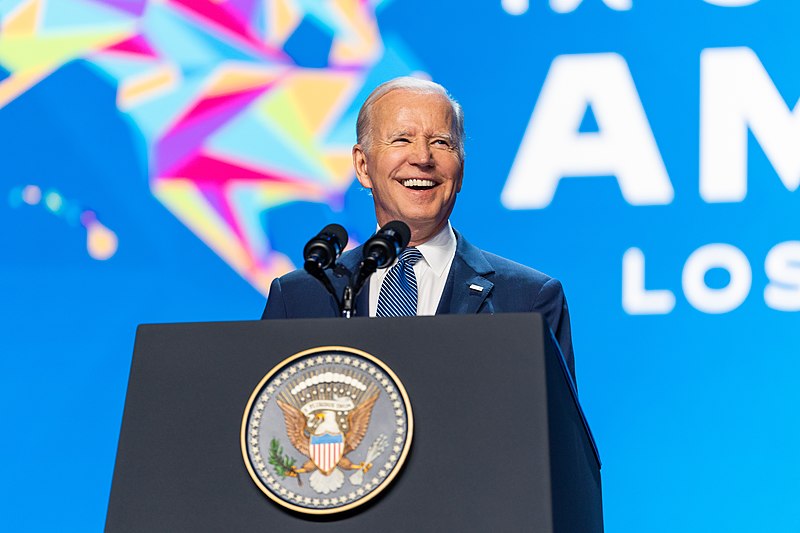
This week, US President Joe Biden signed legislation for the country’s Asian American Pacific Islander community. Biden signed the bill that would establish a museum for Asian Pacific history.
In a ceremony at the White House East Room Monday, Biden signed the legislation that would establish a museum dedicated to Asian Pacific history and culture, which would document the history and culture of the community in the country.
“I am honored to sign into law something that is long overdue and – the National Museum of Asian and Pacific American History and Culture here in Washington DC,” said the US leader in his remarks.
“Museums of this magnitude and consequence are going to inspire and educate. More than anything else, it is going to help people see themselves in the story of America – a story that makes us a better America, and it has made us a better America,” said Biden.
Vice President Kamala Harris, House Speaker Nancy Pelosi, and other members of Congress were also present at the signing.
In her remarks, Harris also talked about her Indian heritage, and that the museum will also tell the story of the hardships the Asian American and Pacific Islander community has faced in the country throughout its history, such as the Japanese internment camps and the Chinese Exclusion Act, the discrimination against South Asians following the 9/11 attacks among others.
The US leader also visited Philadelphia this week to speak at the AFL-CIO convention. Biden assured those in attendance that tackling the growing problem of inflation is a priority in his administration as the country grapples with rising prices.
In his remarks, Biden acknowledged that inflation is “sapping the strength of a lot of families,” which was worsened by Russia’s invasion of Ukraine.
However, despite assuring the public that his administration is prioritizing how to ease inflation, Biden admitted that he is running out of options to ease the price hikes due to an evenly-divided Senate and congressional Republicans determined to obstruct.
Biden touched on how these issues could make a difference in the upcoming midterms which would determine whether the Democratic Party maintains its majority or loses one or both chambers of Congress to the GOP.







