


 Trump Asks Supreme Court to Restore Third-Country Deportations
  Abbas Reaffirms November 28 Palestinian Elections
  US, China Extend Trade Truce to Jan. 10 Ahead of Trump-Xi Summit
  Mexico-US Trade Talks Delayed to October as Tariff Negotiations Continue
  Russian Envoy Dmitriev Heads to US for Ukraine Talks
  France Defends Netanyahu Airspace Clearance Despite ICC Warrant
  Netanyahu’s Brief US Trip Highlights Strains With Trump
  Sudan Rejects US Legitimacy Remarks, Defends Sovereignty
  Netanyahu Takes Aim at Mamdani as Israel Election Nears
  US Officials Split Over Response to Israeli West Bank Settlements
  Pezeshkian Says US Must Choose When Iran War Ends
  Kremlin Says No Decision Yet on Putin-Trump December Summit
  US Senate Rejects Iran War Powers Resolution in 50-49 Vote
  Russian Missile and Drone Attack on Kyiv Kills Two, Damages Maternity Hospital
  Taiwan Thanks US for Support Ahead of Trump-Xi Summit
  Ghana Says Western Support Growing for Slave Trade Reparations
  Trump, Xi Focus on Trade and AI at White House Summit


 Add as a preferred source on Google
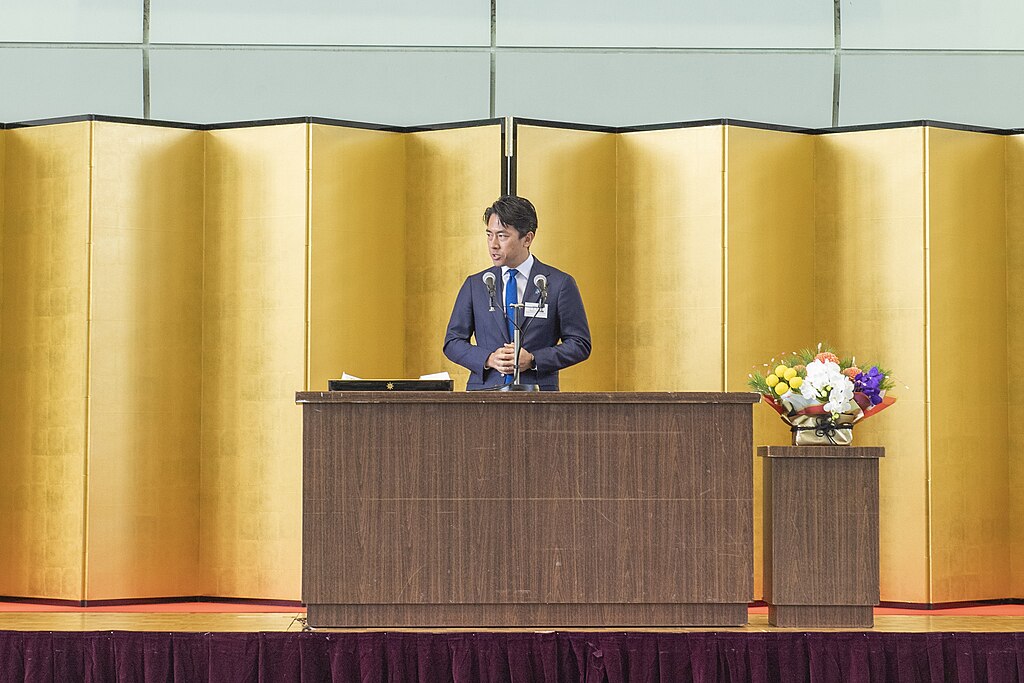
Donald Trump's call for allied nations to deploy warships escorting oil tankers through the Strait of Hormuz has put Japan in a difficult position, reigniting long-standing debates over how far its pacifist constitution allows it to go in supporting the United States during an international conflict.
Japan's post-World War Two constitution, drafted under U.S. oversight, explicitly renounces military force as a means of resolving international disputes. Despite this, Prime Minister Sanae Takaichi retains a narrow set of legal tools. One option is deploying Maritime Self-Defense Force vessels under a law-enforcement framework, similar to Japan's anti-piracy operations off the coast of Somalia that began in 2009. Defense Minister Shinjiro Koizumi recently indicated this type of mission could potentially be expanded if circumstances require it. However, this framework was never designed for confrontations with sovereign nations like Iran, making its application legally murky.
A higher-threshold option exists under security legislation passed in 2015, which allows Japan to use force abroad only when an attack on a close ally poses an existential threat to Japan itself and all other options have been exhausted. Invoking these laws would require Takaichi to argue that disruptions to energy supplies through the Strait of Hormuz endanger Japan's national survival — an argument that would face considerable political backlash domestically. These laws have never been used.
Japan's previous Middle East engagements offer important context. During the 1991 Gulf War, Tokyo contributed only financial support, drawing widespread international criticism. Later deployments — including naval refueling missions after September 11 and intelligence gathering near the Gulf of Oman in 2019 — carefully stayed within constitutional boundaries and avoided direct combat roles.
Adding another layer of complexity, Japan must also weigh whether U.S. military strikes on Iran comply with international law under the United Nations Charter, a question that legal experts remain divided on and that Takaichi has not yet publicly addressed.







