


 Wall Street Ends Flat as Oil, Treasury Yields and Fed Jitters Rattle Markets
  Gold Holds Near $4,275 as Rising Treasury Yields Fuel Fed Rate Hike Bets
  Oil Prices Fall on U.S.-Iran Hormuz Deal Hopes
  Australia Unemployment Hits Five-Year High Despite Strong Jobs Growth
  Asian Stocks Fall as Bond Yields Surge Ahead of Trump-Xi Summit
  Fed Unveils Stablecoin Rules Under GENIUS Act
  Oil Prices Ease as Iran Tensions Clash With Diplomacy Hopes
  Fed’s Hammack Says Bond Yield Surge Is Not Driven by Inflation Fears
  Asian Stocks Fall as Surging Bond Yields Rattle Markets
  Fed Unveils Stablecoin Rules Under GENIUS Act
  Dollar Holds Near Two-Month High as Yen Approaches 160
  U.S. Dollar Hits Two-Month High as Oil, Treasury Yields Surge
  Japan Private-Sector Growth Slows as Domestic Demand Weakens
  Dollar Falls as Oil Eases, Yen Jumps on Intervention Signals
  US Comfortable With Canada Trade Standoff as Import Bans Loom
  Japanese Yen Rebounds as Trump Flags Currency Weakness


 Add as a preferred source on Google
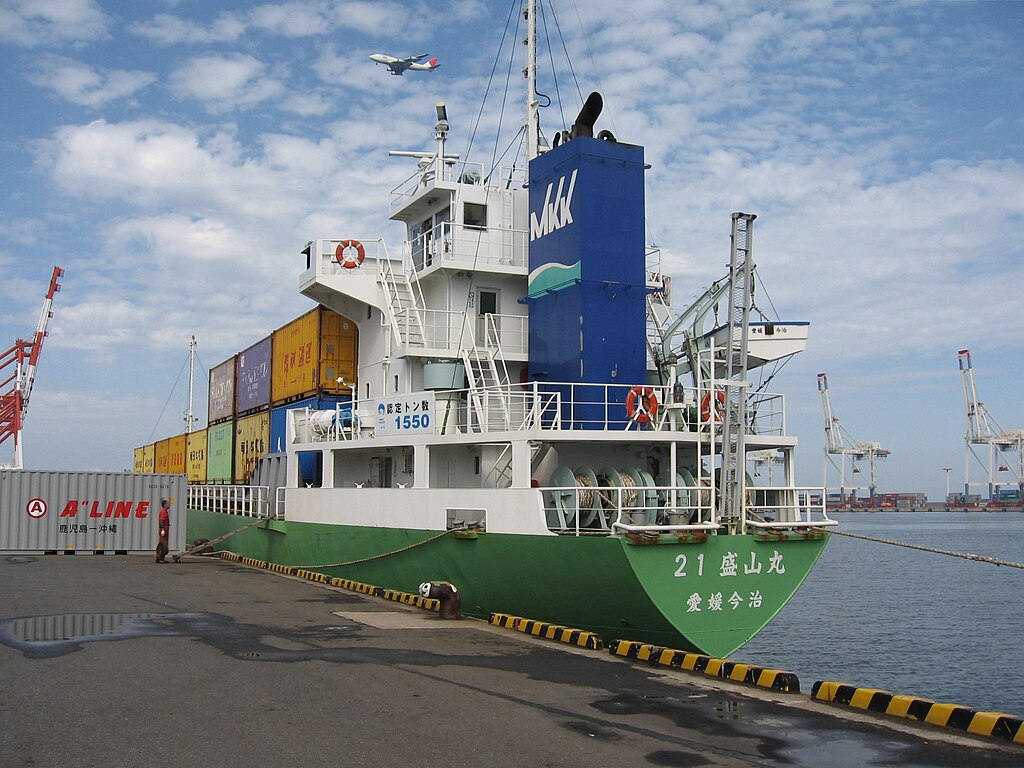
Japan’s exports rose for the first time in five months in September, supported by a weaker yen that boosted overseas competitiveness. However, shipments to the United States continued to fall despite Washington’s tariff reductions on Japanese autos, signaling ongoing trade headwinds.
According to official data, total exports increased 4.2% year-on-year in September, slightly below the market forecast of 4.6% and following a 0.1% decline in August. While the uptick aligns with recent indicators—such as the Bank of Japan’s tankan survey—suggesting the economy remains resilient, analysts caution that the recovery could be short-lived.
Exports to the U.S. plunged 13.3% from a year earlier, marking six consecutive months of decline. Auto exports dropped sharply by 24.2%, and chipmaking equipment shipments tumbled 45.7%. In contrast, exports to China rose 5.8% thanks to stronger demand for vehicles and industrial materials, while shipments to the rest of Asia climbed 9.2%.
Imports also grew 3.3% in September, surpassing expectations of a 0.6% increase. As a result, Japan recorded a trade deficit of 234.6 billion yen ($1.56 billion), contrary to forecasts for a small surplus.
The recent U.S.-Japan trade agreement, which lowered tariffs on Japanese goods—cutting auto duties from 27.5% to a baseline 15%—offered partial relief to manufacturers. Still, many automakers had already slashed export prices to offset earlier costs, squeezing profit margins. Analysts warn that prolonged profit pressure could hinder corporate investment and wage growth, potentially slowing consumption and economic momentum.
Norinchukin Research Institute’s chief economist Takeshi Minami noted that exporters may face further strain once cost adjustments begin, potentially reducing export volumes. Meanwhile, Bank of Japan Governor Kazuo Ueda indicated that the central bank may continue gradual rate hikes if firms maintain resilience and boost spending on equipment and wages.







